
Traditional vs Modern Cast Iron Radiators: Which One Should You Choose?
Estimated reading time: 5 minutes
This one’s simpler than it looks, because both sides of the comparison are cast iron. Same casting process, same thermal mass, same 10 year guarantee. Traditional cast iron radiators carry the ornate scrollwork and decorative caps of a Victorian or Edwardian original. Modern cast iron radiators use the same iron and the same sections, just cast with simpler lines. The real choice here isn’t about performance. It’s about which cast iron radiators actually suit your room.


What are modern cast iron radiators?
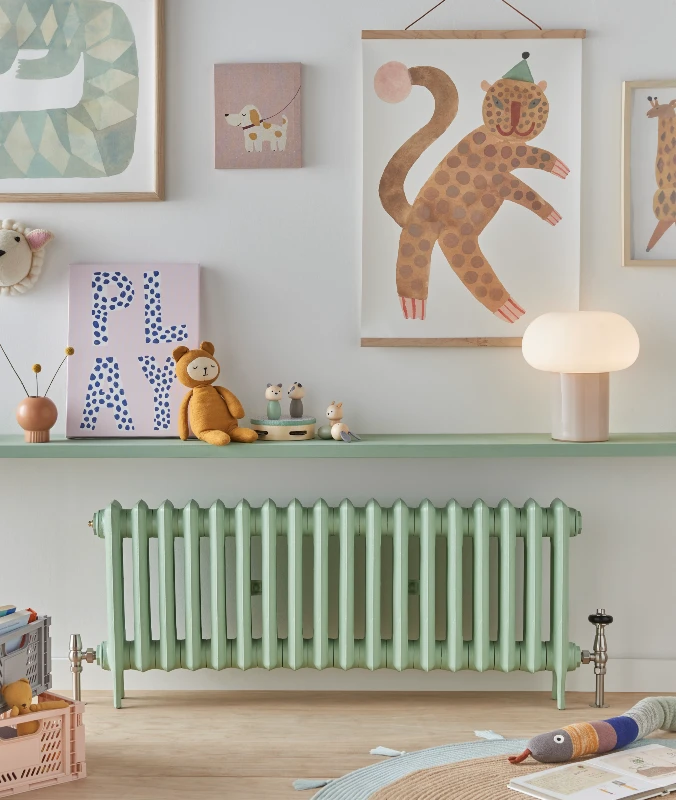
A modern cast iron radiator is still cast iron. No compromise on weight, heat retention or lifespan. What changes is the mould. Models like the Clarendon, Neo Georgian and Pimlico trade Victorian scrollwork for a plainer column profile, which suits a new build, a barn conversion or a minimalist extension far better than a heavily decorated original would.
Livingetc’s guide to styling radiators makes a similar point about design more broadly: designers increasingly treat a radiator as a piece of the room to be styled, not hidden, whether that’s through colour-drenching it to disappear into a wall or picking it out in a contrasting shade. Our own guide to styling a cast iron radiator goes through how to do that room by room.
Traditional cast iron radiators: strengths and impact
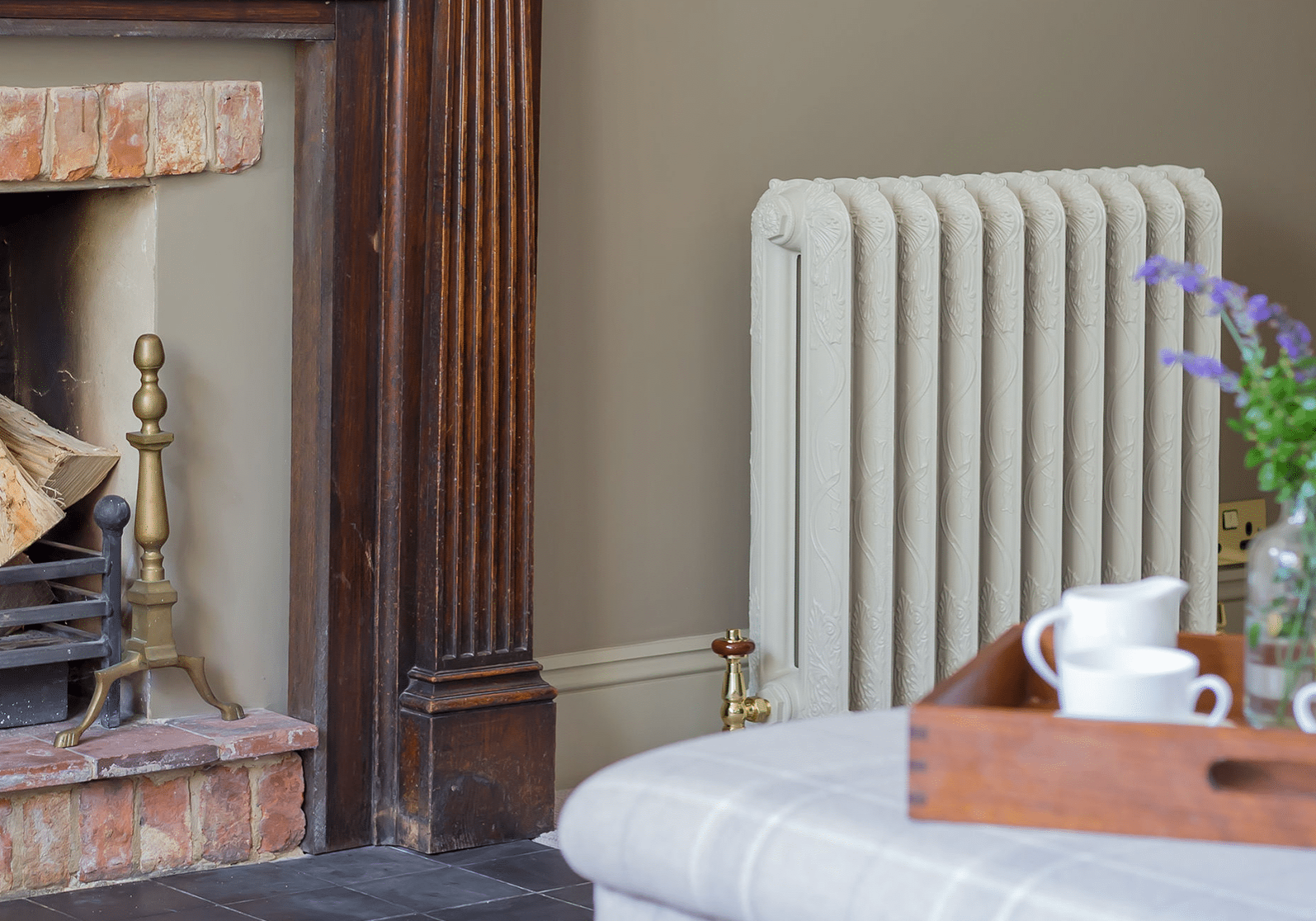
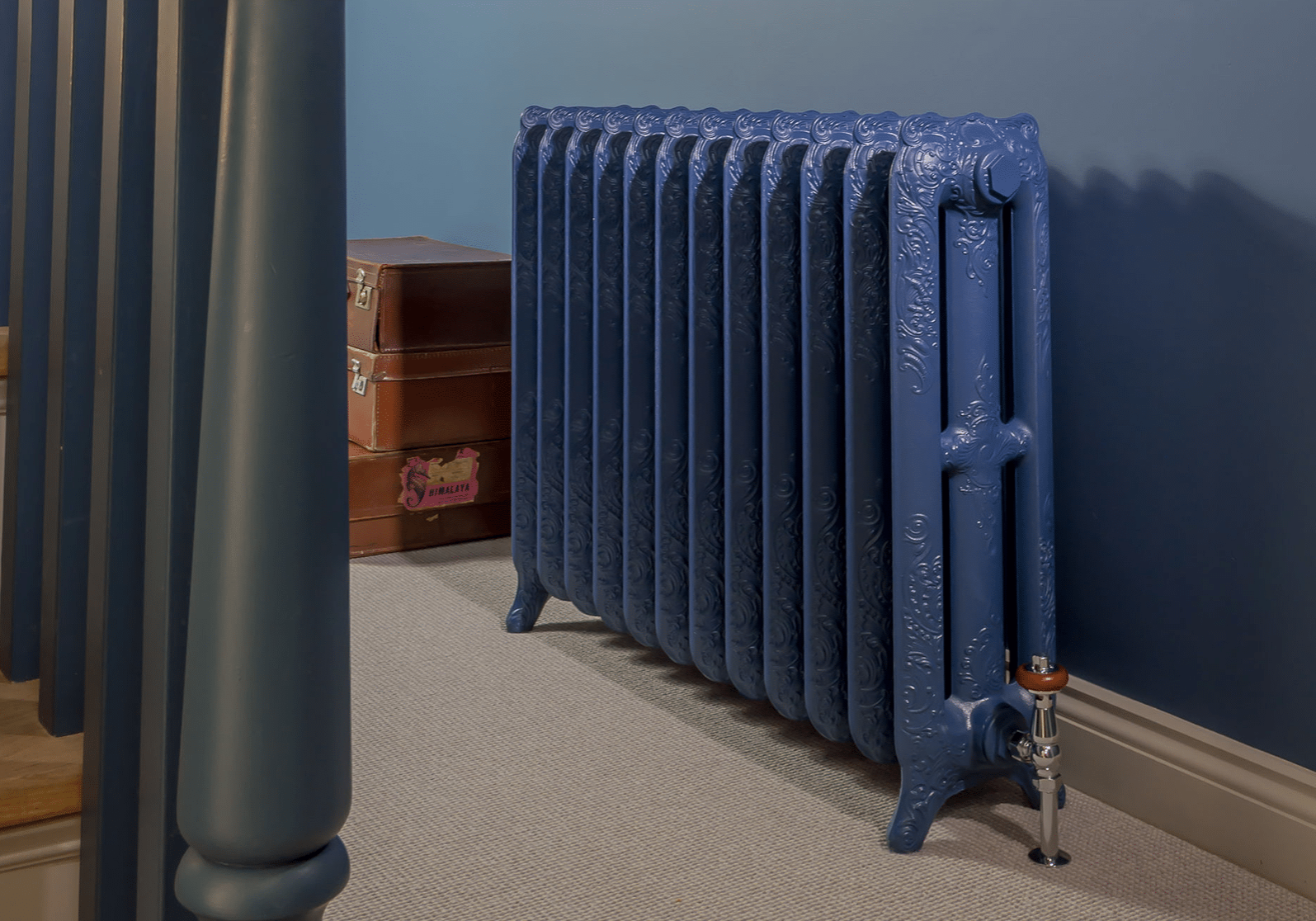
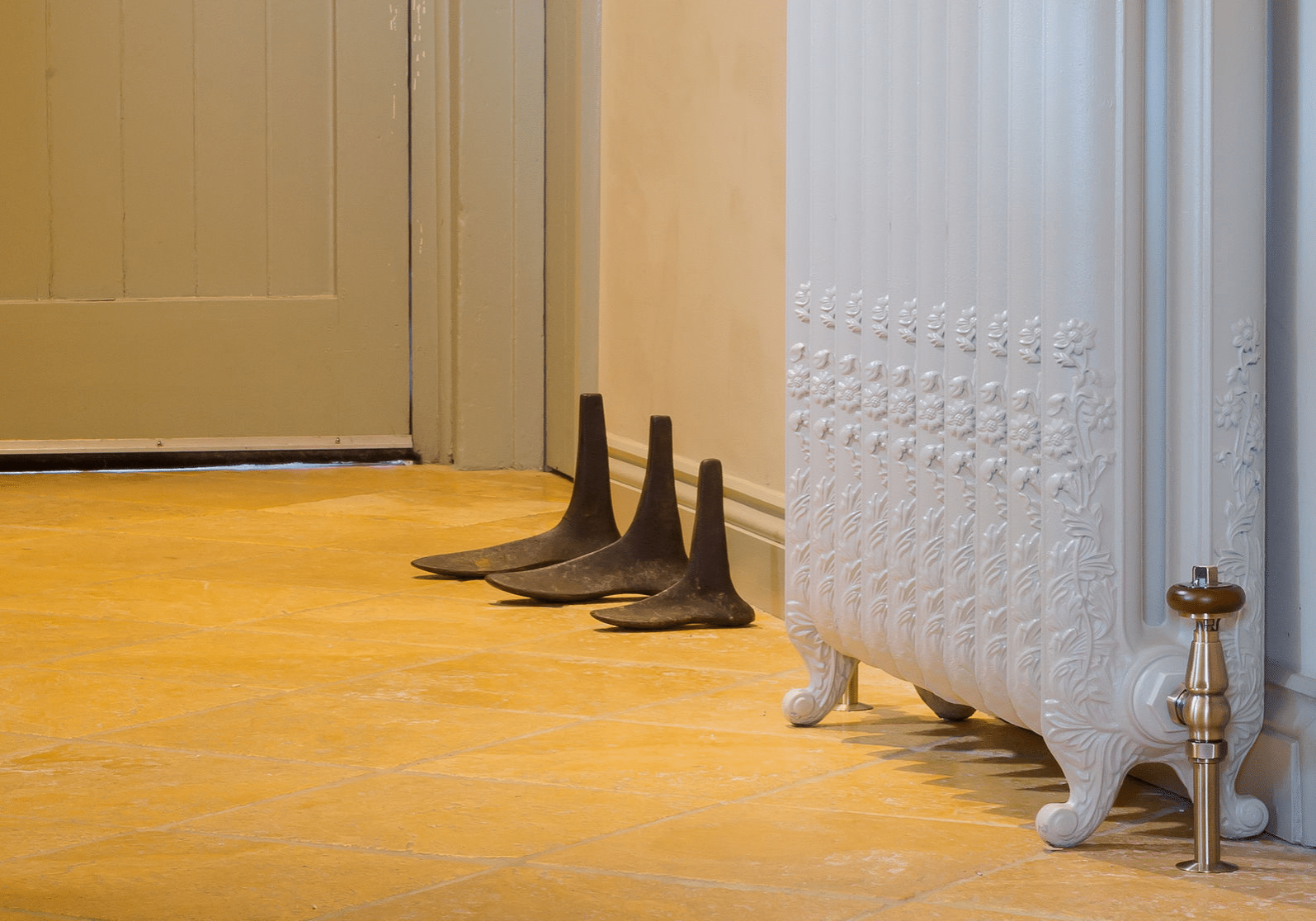
Ornate scrollwork, decorative caps and column profiles copied from genuine Victorian and Edwardian originals, in models like the Kensington, Oxford and Bartholomew.
We hand assemble and pressure test every radiator at our Lincolnshire factory, whichever style you choose.
Thermal mass holds heat for an hour or more after the boiler cycles off, which suits a solid-walled period room particularly well.
Ideal Home has covered homeowners choosing ‘chunky traditional column-style’ radiators over standard options specifically because of the difference they make to a room, even when a plumber assumed they’d want the cheaper choice. Our guide to ornate cast iron radiators covers the most decorative end of the range in more depth.
Backed by the same 10 year guarantee as every Paladin radiator, and a working life that regularly passes 50 years.
Impact: a genuine period-correct focal point, not a reproduction of one, with the heat retention to match a solid-walled Victorian or Georgian room.
Modern cast iron radiators: strengths and impact
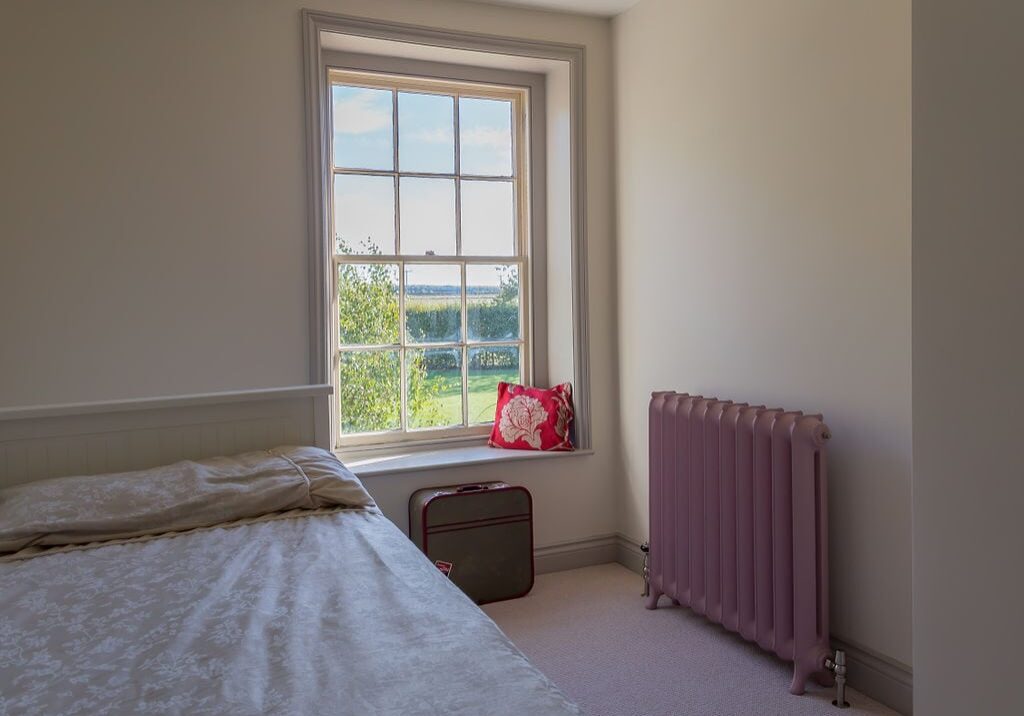
Simpler castings and cleaner column lines, in models like the Clarendon, Neo Georgian and Pimlico, without losing any of cast iron’s weight or heat retention.
Works particularly well in raw or polished metallic finishes, where a plainer mould lets the material do the work rather than the detailing.
Suits new builds, extensions and commercial interiors where an ornate Victorian profile would feel out of place.
Because a plainer casting takes less time to finish, modern-style models often cost a little less per section than the most heavily detailed traditional designs.
Bespoke in height and column depth, so a clean profile doesn’t mean a limited range of sizes.
Impact: the same 50-year performance as a traditional model, in a shape that suits a contemporary room rather than fighting it.
Not sure which look actually suits your room or what output it needs? Use our radiator configurator to work out the BTU you need, then call our team on 01205 280354 or email sales@paladinradiators.com to talk through models, finish and column depth.
How do traditional and modern cast iron radiators compare?
| Feature | Traditional cast iron radiators | Modern cast iron radiators |
|---|---|---|
| Look | Ornate scrollwork, decorative caps, Victorian and Edwardian detailing | Simpler castings, cleaner column lines |
| Example models | Kensington, Oxford, Bartholomew | Clarendon, Neo Georgian, Pimlico |
| Heat up time | Slower: 20 to 40 minutes to reach full output | Same: 20 to 40 minutes, identical material |
| Heat retention once switched off | Strong: well after switch-off | Strong: well after switch-off, identical material |
| Weight | Heavy: around 8 to 20kg per section | Heavy: around 8 to 20kg per section |
| Typical working life | 50 years or more with basic care | 50 years or more with basic care |
| Best suited to | Period properties with solid walls | New builds, extensions, minimalist or industrial schemes |
| Bespoke sizing and Farrow & Ball / Little Greene finishes | ✓ | ✓ |
| Guarantee | 10 years | 10 years |
| Typical price per section | Slightly higher for the most heavily detailed designs | Slightly lower, since simpler moulds take less finishing time |
Are cast iron radiators as efficient as modern radiators?
Yes, and this question usually hides a different one underneath it. Most people asking aren’t really comparing traditional cast iron against modern cast iron. They’re asking whether ‘old-fashioned’ cast iron can keep up with modern heating technology at all, heat pumps included. It can. A modern-style casting doesn’t perform any differently to a traditional one, because ‘modern’ here describes the mould, not the engineering underneath it. Both are made to the same standard, with the same 10 year guarantee.
So if you’re torn between the two, let the room decide rather than any worry about performance. A Victorian terrace generally wants the ornate original look, and a new-build extension generally wants the simpler one.
Our guide to choosing a model by room goes through which style tends to suit which setting, and our guide to cast iron radiator styles covers every model in the range in more depth.
“I want to say thanks and how fantastic the radiators look along with the cast quality and the excellent painting and polishing finish. I now can’t wait to get them installed! Many thanks again for all your help and assistance.”
“Thank you for all your help, we will definitely recommend Paladin to anyone we know who is looking for cast iron radiators and will get in touch when we’re needing radiators for our ground floor.”