
Cast Iron Radiators vs Panel Radiators: Which One Should You Choose?
Estimated reading time: 5 minutes
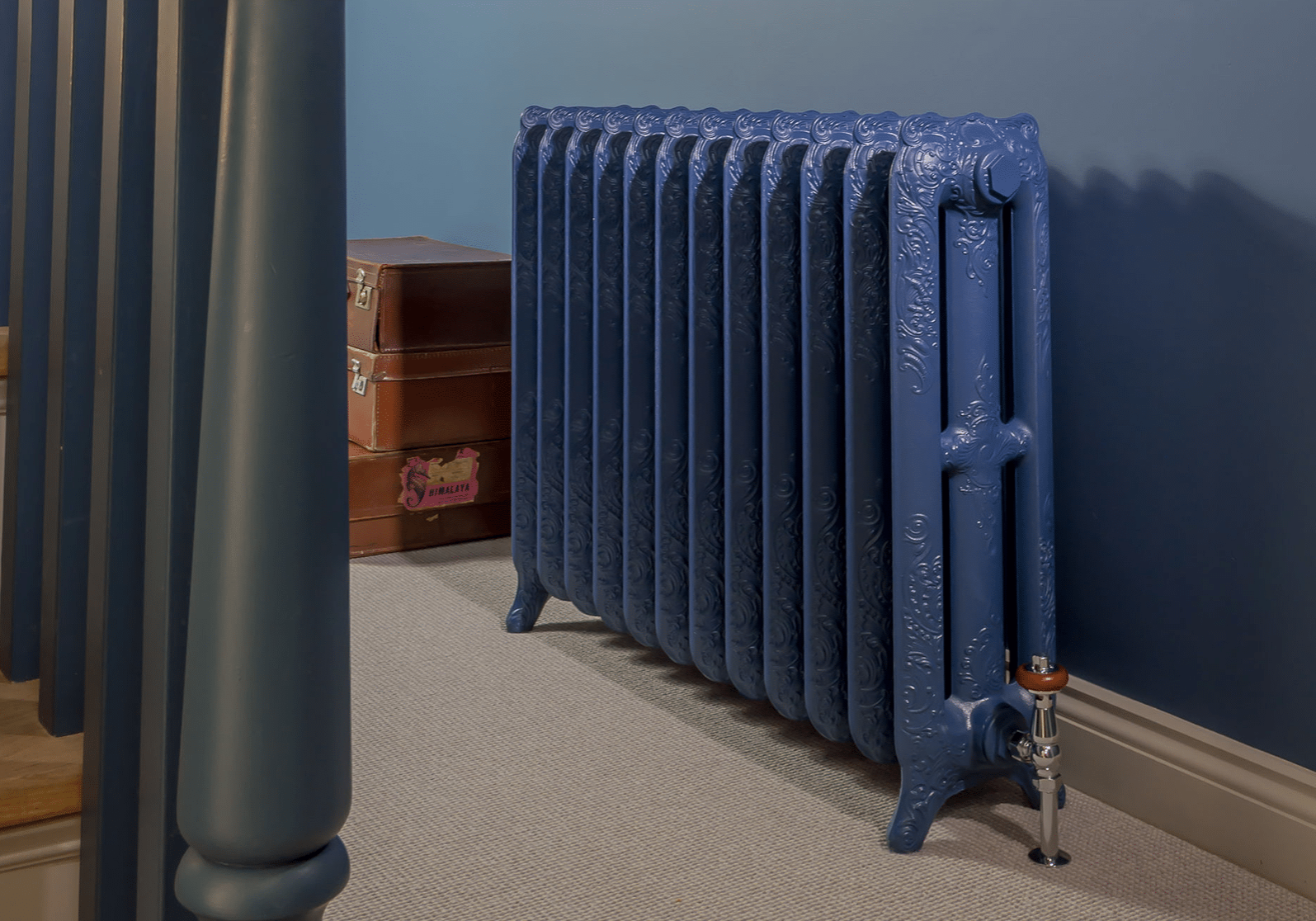
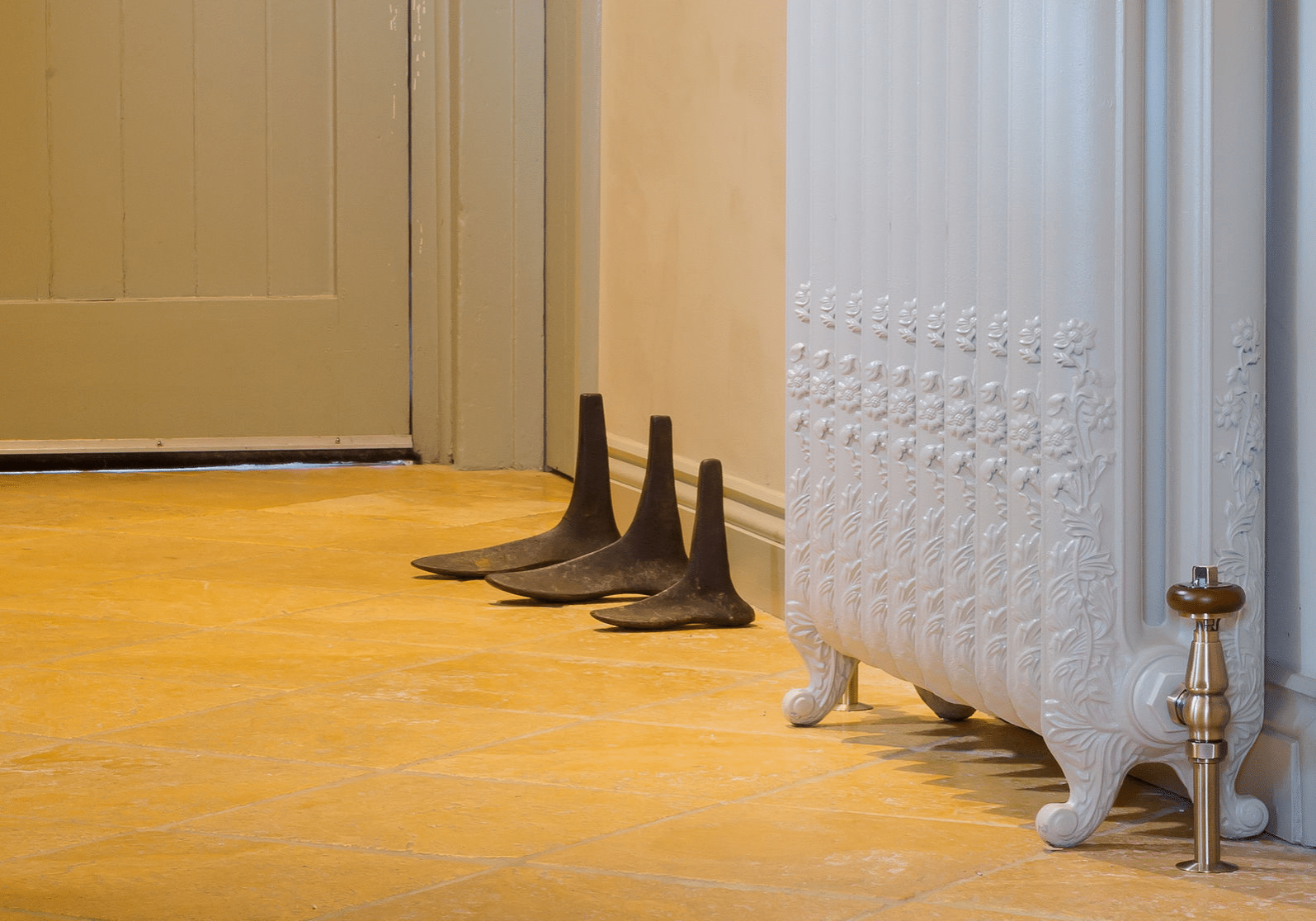
Panel radiators are the ones you already know: flat pressed steel, usually white, with fins tucked behind to boost the output. Cast iron radiators work differently. There are no fins and no seams, because a solid cast column does the job a bolted-on fin does elsewhere. That’s the real split here. One radiator adds parts to hit its output, the other just has more metal.
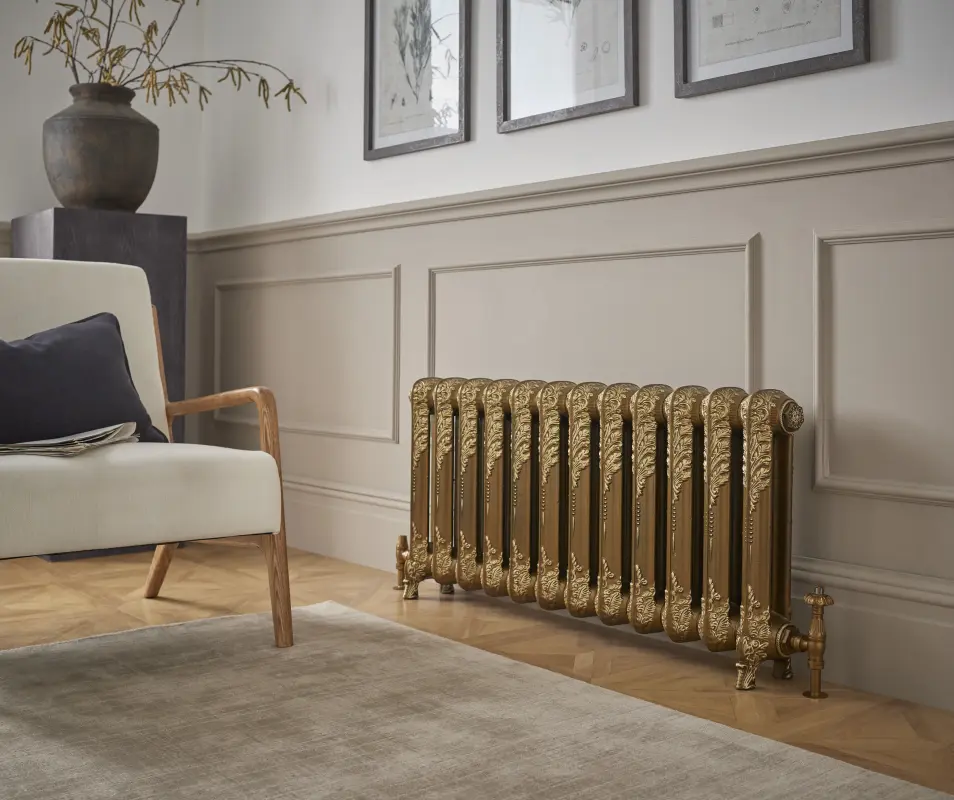

Are flat panel radiators any good compared to cast iron?
Yes, for the job they’re built to do. A panel radiator gets heat into a room quickly and cheaply, without eating much wall space, and that covers most homes most of the time. Where it struggles is longevity. It’s usually a pinhole leak from internal corrosion (not old age) that ends a panel radiator’s working life, and that failure often arrives well before you’d choose to replace it.
Cast iron radiators: strengths and impact
- We hand assemble and pressure test every radiator at our Lincolnshire factory. The walls run 5mm to 8mm thick, too solid for the sludge corrosion that eventually eats through a pressed steel panel.
- No fins, no welded seams and nothing bolted on. The column is the whole radiator, so there’s less to fail.
- Thermal mass keeps giving off heat well after the boiler cycles off, which suits a period room far better than a quick blast that fades as fast as it arrived.
- Bespoke sizing in height, columns and sections, with Farrow & Ball and Little Greene finishes, rather than a fixed run of factory dimensions.
- We back every radiator with a 10 year guarantee, and with basic care – many are still working after 50 years or more.
Impact: fewer failures over the radiator’s life, a steadier room and a look you won’t find on a shelf at a plumbers’ merchant.
Panel radiators: strengths and impact
- Cheap and everywhere. Every plumbers’ merchant and DIY shed stocks them, so replacing a broken one is quick.
- Slim profile that fits under almost any window without eating into the room.
- You can dial the output up or down through the Type system (more on that below) without changing the radiator’s overall size.
- Fast to heat, which suits a room you only use for short stretches.
- Because heat retention comes from mass rather than styling, don’t expect one to keep a room warm for long once the boiler’s off.
Impact: a cheap, fast, widely available radiator now. But most panel radiators get replaced within 15 to 25 years, and it’s nearly always corrosion, not choice, that decides when.
Not sure whether your room needs a bigger panel radiator or a different construction altogether? Use our radiator configurator to work out the BTU you need, then call our team on 01205 280354 or email sales@paladinradiators.com to talk through columns, finish and sizing.
How do cast iron and panel radiators compare?
Here’s how the two hold up against each other, feature by feature.
| Feature | Cast iron radiators | Panel radiators |
|---|---|---|
| Construction | Solid cast columns, no seams or fins | Pressed steel panels with welded seams and convector fins |
| Heat up time | Slower: 20 to 40 minutes to reach full output | Fast: often under 15 minutes |
| Heat retention once switched off | Strong: keeps releasing warmth well after switch-off | Weak: cools within minutes |
| Weight | Heavy: around 8 to 20kg per section | Light: easy for one person to lift |
| Typical working life | 50 years or more with basic care | Around 15 to 25 years, usually ended by pinhole corrosion |
| How output is rated | By column depth and section count | By Type (11, 21, 22, 33): panel and fin count |
| Bespoke sizing and Farrow & Ball / Little Greene finishes | ✓ | ✘ (fixed factory sizes) |
| Guarantee | 10 years | Typically 1 to 25 years, varies by manufacturer |
| Price | Higher upfront cost | Lower upfront cost |
What do Type 11, 21 and 22 panel radiators actually mean?
Cast iron and panel radiators don’t even measure themselves the same way, which is where a lot of buyers trip up.
A panel radiator’s Type number tells you its build. The first digit is the number of panels, the second is the number of convector fin rows behind them. Type 11 is one panel and one row of fins. Type 21 is two panels with a single row between them. Type 22 is two panels and two rows, which is why it puts out more heat than a Type 21 at the same size.
Cast iron doesn’t use this system at all. We rate output by column depth and section count instead, because there are no fins to add. So a ‘Type 22’ doesn’t translate directly to a ‘4 column’. The only fair way to compare them is by BTU output, not by the label on the box. Our radiator configurator helps you work that out properly, whichever construction you’re switching from.
If a panel radiator’s already showing the early signs, cold patches, sludge in the bleed water, a slow drip nobody can quite place, our guide on when to replace a radiator covers what to check before it fails properly.


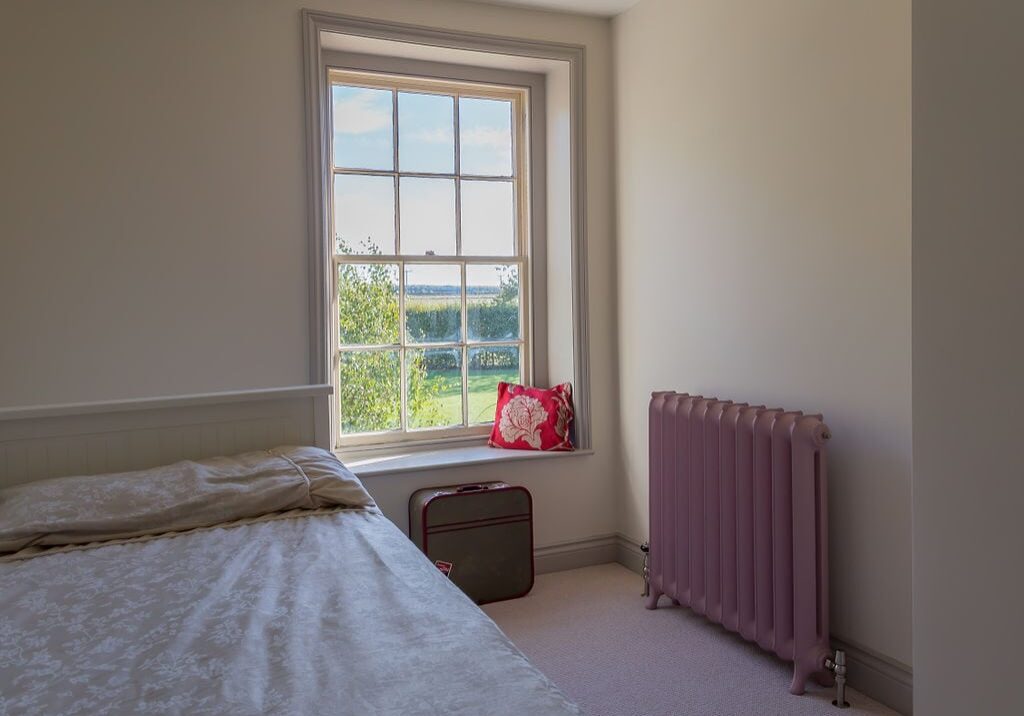
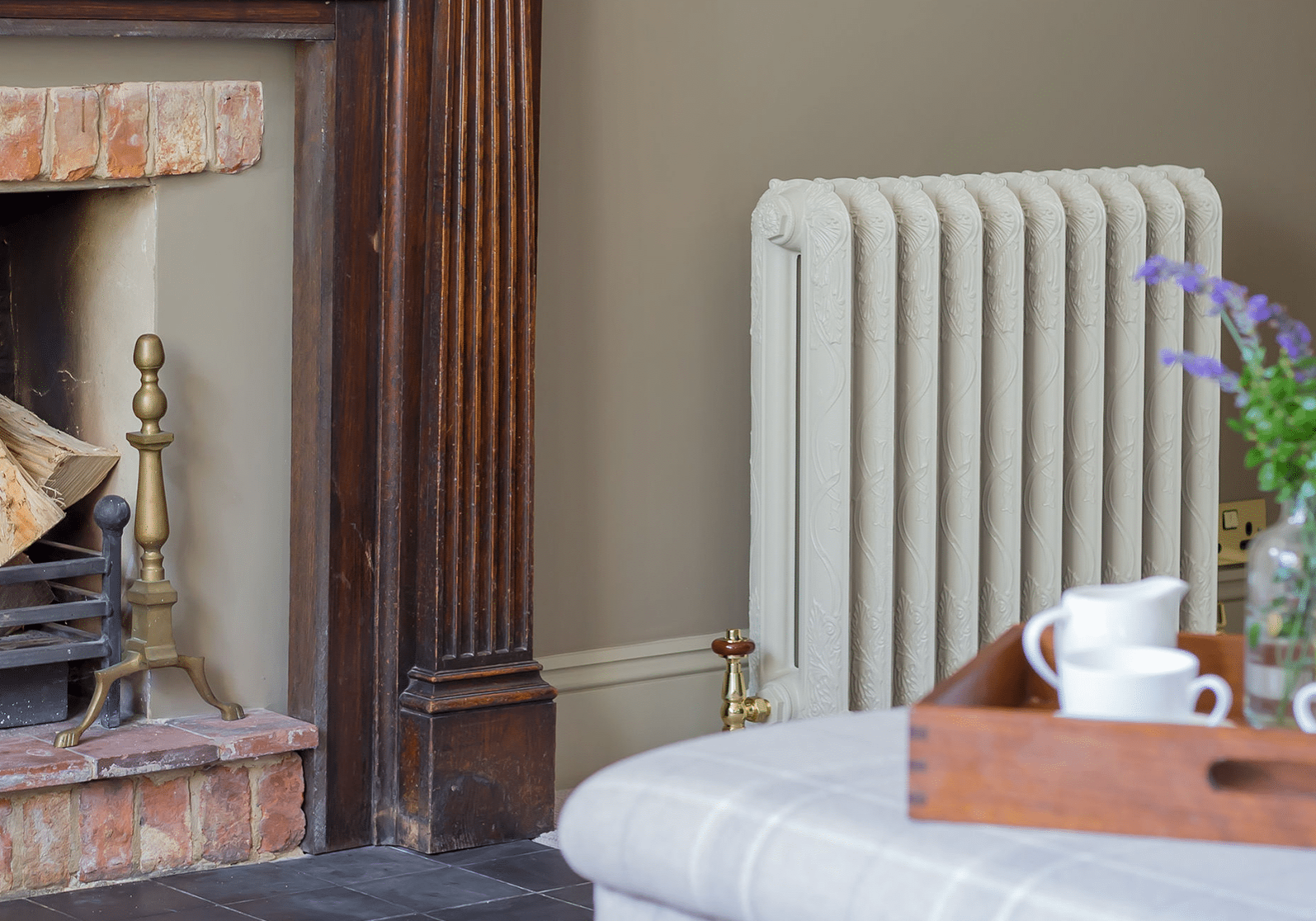
“I want to say thanks and how fantastic the radiators look along with the cast quality and the excellent painting and polishing finish. I now can’t wait to get them installed! Many thanks again for all your help and assistance.”
“Thank you for all your help, we will definitely recommend Paladin to anyone we know who is looking for cast iron radiators and will get in touch when we’re needing radiators for our ground floor.”