
Cast Iron Radiators UK
Every section is hand-assembled, pressure-tested and finished at our Lincolnshire factory: not outsourced, not mass-produced. Our range covers 18 designs in bespoke sizes, with Farrow & Ball and Little Greene finishes and a 10-year guarantee on every radiator we ship.
Paladin cast iron radiators are installed in Tate Modern, Somerset House and Government House Nova Scotia, alongside thousands of UK homes, listed buildings, hotels, restaurants and commercial projects. Browse our full range of cast iron radiators below, use our radiator configurator to build your specification, or contact us to speak to the team.
Why choose Paladin cast iron radiators?
Our moulds produce radiators for us and nobody else: no shared production lines, no mass-manufactured compromises. Every section is cast in-house, hand-assembled, pressure-tested and finished at our factory in Lincolnshire before it leaves the building. We’ve been manufacturing cast iron radiators for over two decades, and our radiators are installed in period properties, listed buildings, new builds, hotels, restaurants and commercial spaces across the UK.
That level of control means we can offer genuinely bespoke sizing: cast iron radiators built to your exact section count, finish and specification. It also means the ornate detail on our castings stays sharp, because our moulds aren’t worn down by mass production across multiple product lines.
Our finish options go beyond standard paint. Choose from our own 10-colour metallic range, our Farrow & Ball and Little Greene partnership colours, aged paint effects or hand-polished finishes. If you have a specific shade in mind, we’ll colour-match it. Browse thefull paint colour range.
Looking for antique radiators to sit under an original Victorian fireplace? Want retro radiators with a stripped and polished finish, or modern cast iron radiators with a simple casting for a new extension? Our radiator configurator lets you build the exact specification for your room: style, colour and section count, all in one place. You tell us what the room needs and we build to that, not the other way round.
Shop the Paladin range of cast iron radiators
Our cast iron radiator range covers everything from compact models for bay windows and conservatories to tall cast iron radiators for period hallways and high-ceilinged rooms. Choose from 2-column, 3-column, 4-column and 6-column configurations to match your heat output and available wall space.
Whether you’re restoring a Victorian terrace, fitting out a new build or specifying for a commercial project, every radiator is sectional and built to order. Tell us the section count, finish and valve style you need: we’ll do the rest. Use our radiator configurator to build yours, or contact us and we’ll talk you through the options. Architects, designers and contractors can access dedicated support through ourtrade enquiries page.
All Cast Iron Radiators For Sale UK
-
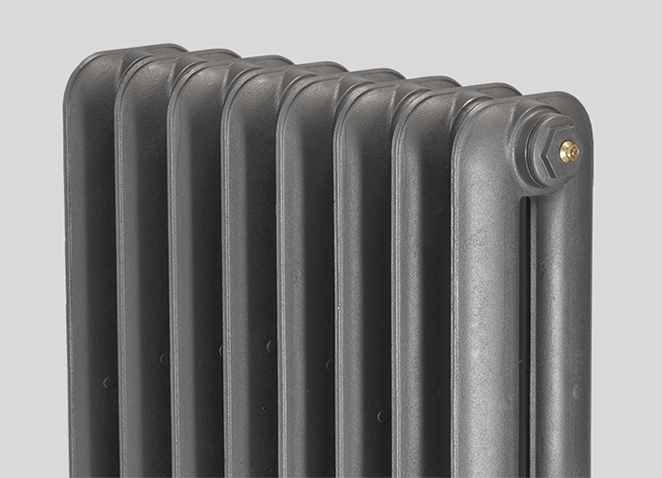
Bartholomew Cast Iron Radiator
Height: 570 / 740mm
Sections: 3-40 Sections
Colours: over 10,000 colours from Farrow and Ball, Little Greene & a bespoke colour matching service
-

Churchill Cast Iron Radiator
Height: 350mm
Sections: 3-40 Sections
Colours: over 10,000 colours from Farrow and Ball, Little Greene & a bespoke colour matching service
-

Clarendon Cast Iron Radiator
Height: 440 / 740mm
Sections: 3-40 Sections
Colours: over 10,000 colours from Farrow and Ball, Little Greene & a bespoke colour matching service
-

Gatsby Cast Iron Radiator
Height: 570 / 740mm
Sections: 3-40 Sections
Colours: over 10,000 colours from Farrow and Ball, Little Greene & a bespoke colour matching service
-
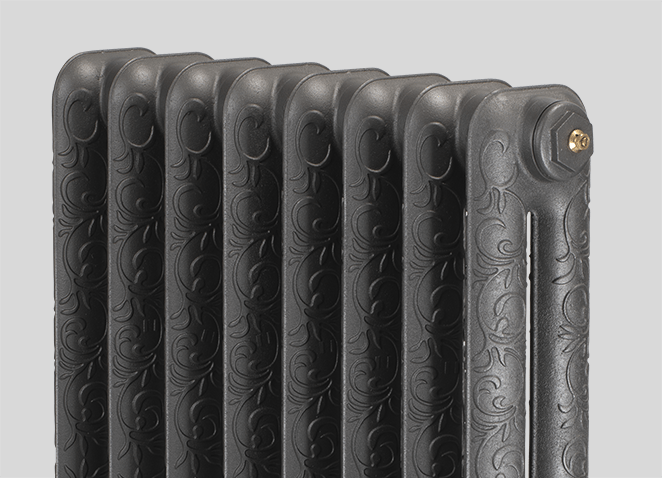
Kensington Cast Iron Radiator
Height: 580 / 750 / 780mm
Sections: 3-40 Sections
Colours: over 10,000 colours from Farrow and Ball, Little Greene & a bespoke colour matching service
-

Louis Cast Iron Radiator
Height: 560 / 760mm
Sections: 3-40 Sections
Colours: over 10,000 colours from Farrow and Ball, Little Greene & a bespoke colour matching service
-
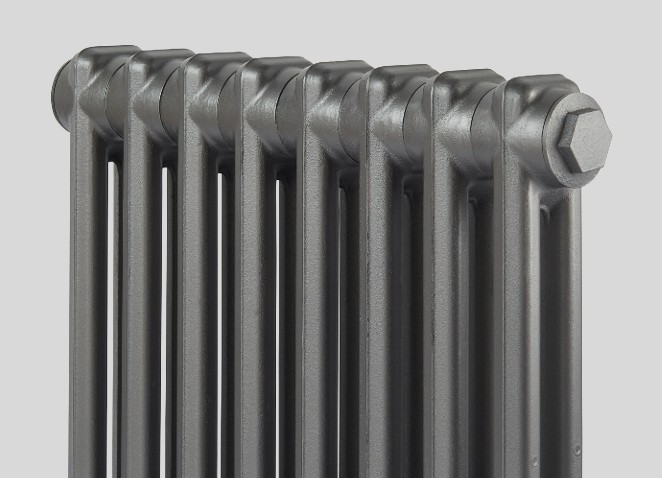
Elizabethan Cast Iron Radiator
Height: 500 / 650 / 750mm
Sections: 3-40 Sections
Colours: over 10,000 colours from Farrow and Ball, Little Greene & a bespoke colour matching service
-
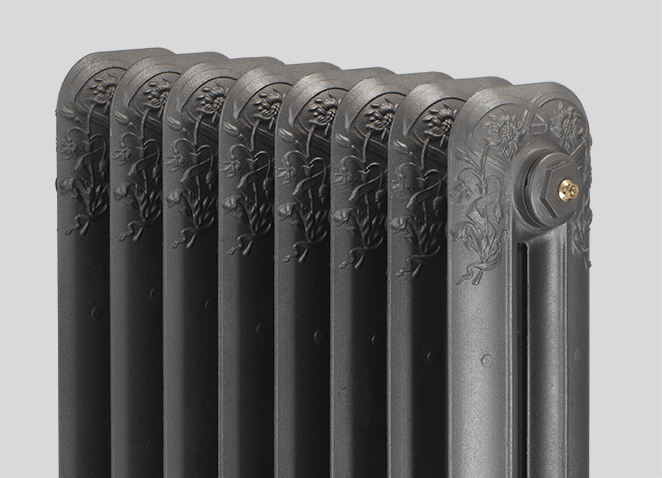
Montpellier Cast Iron Radiator
Height: 590 / 790mm
Sections: 3-40 Sections
Colours: over 10,000 colours from Farrow and Ball, Little Greene & a bespoke colour matching service
-
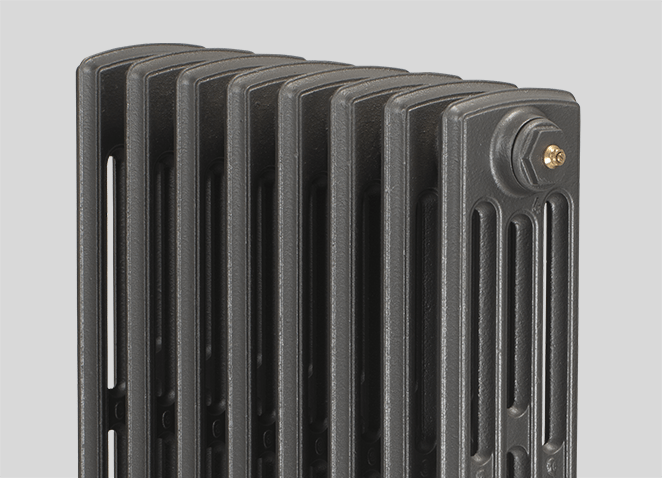
Neo Georgian 4 Column Cast Iron Radiator
Height: 360 / 505 / 660 / 760 / 960mm
Sections: 3-40 Sections
Colours: over 10,000 colours from Farrow and Ball, Little Greene & a bespoke colour matching service
-
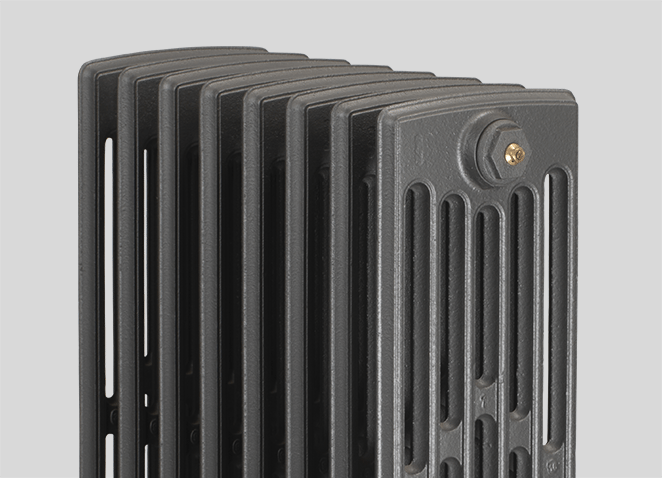
Neo Georgian 6 Column Cast Iron Radiator
Height: 505 / 660 / 960mm
Sections: 3-40 Sections
Colours: over 10,000 colours from Farrow and Ball, Little Greene & a bespoke colour matching service
-

Oxford Cast Iron Radiator
Height: 470 / 570 / 765mm
Sections: 3-40 Sections
Colours: over 10,000 colours from Farrow and Ball, Little Greene & a bespoke colour matching service
-
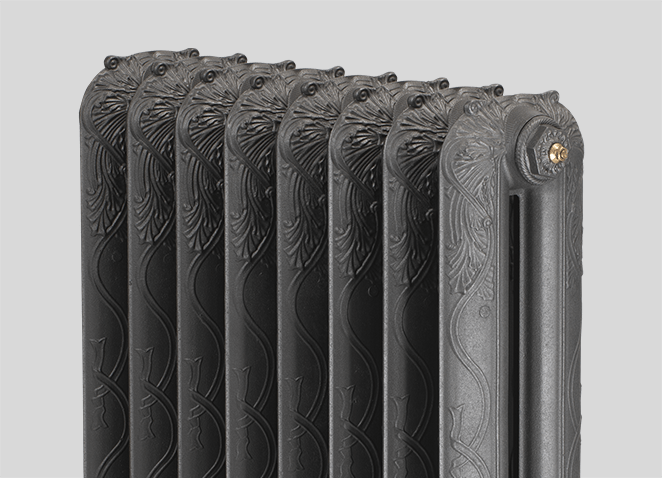
Piccadilly Cast Iron Radiator
Height: 460 / 660 / 760mm
Sections: 3-40 Sections
Colours: over 10,000 colours from Farrow and Ball, Little Greene & a bespoke colour matching service
-
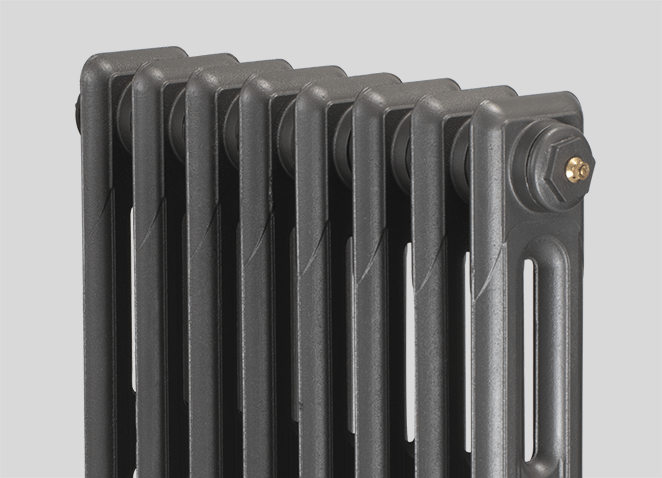
Pimlico Cast Iron Radiator
Height: 460 / 660 / 760mm
Sections: 3-40 Sections
Colours: over 10,000 colours from Farrow and Ball, Little Greene & a bespoke colour matching service
-
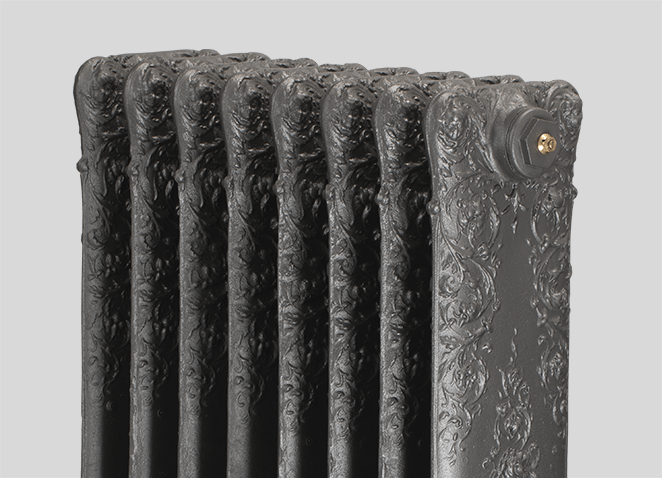
Saint Paul Cast Iron Radiator
Height: 800mm
Sections: 3-40 Sections
Colours: over 10,000 colours from Farrow and Ball, Little Greene & a bespoke colour matching service
-
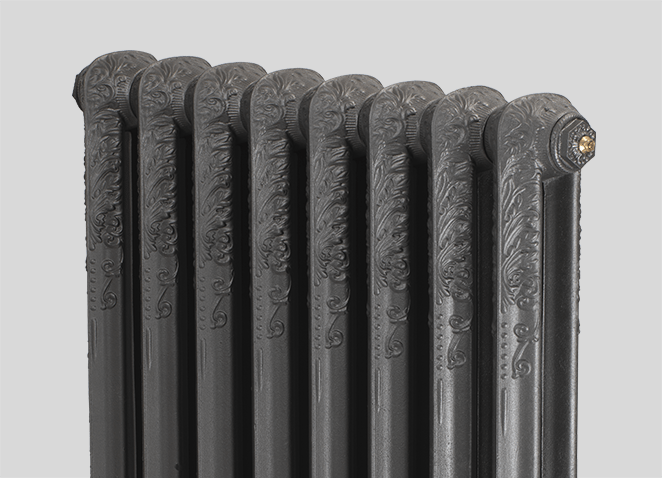
Shaftsbury Cast Iron Radiator
Height: 540 / 740mm
Sections: 3-40 Sections
Colours: over 10,000 colours from Farrow and Ball, Little Greene & a bespoke colour matching service
Reviews
"Absolutely first class service and product! From the first contact with Jon, he tailored our request, gave lots of valuable information. The delivery was great organised for a time which suited us. Couldn't be any happier with the radiators."
"This is the second time we have used Paladin and would recommend them 100%. From the quote, order process to delivery we could not fault anything. The radiators are perfect we love them and are delighted. Thank you all! Paul & Jacci"
"Thank you doesn't go far enough to express how happy I am with both my new radiators and the service I received from Paladin and the team..."
Alice PritchardShop Cast Iron Radiators by Colour
Which finish suits your room? Black cast iron radiators give a classic, understated look, while white cast iron radiators suit period rooms that want the cast profile without a dark, heavy presence. Have a browse of the full paint colour range, or ask us to colour match a specific shade from your own sample.


Shop Cast Iron Radiators by Style


Shop Cast Iron Radiators by Room

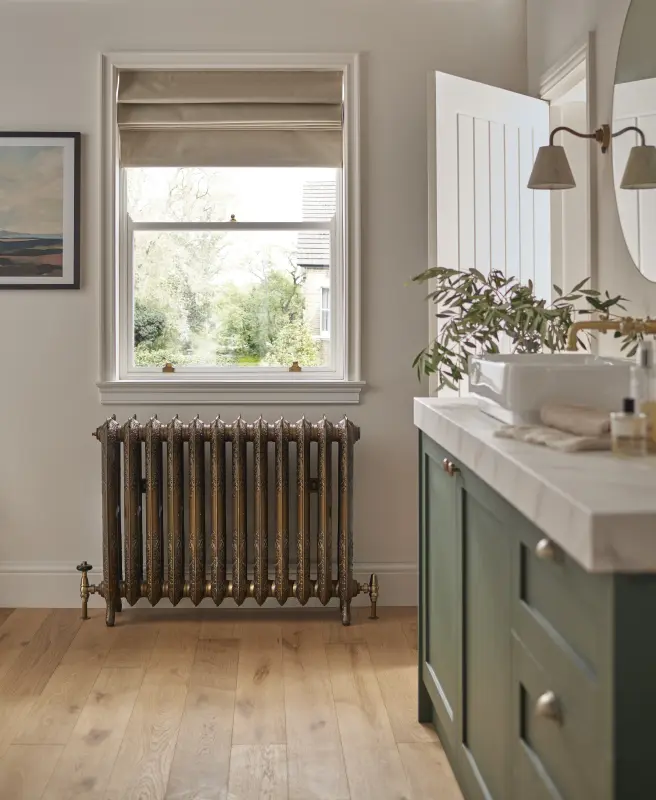
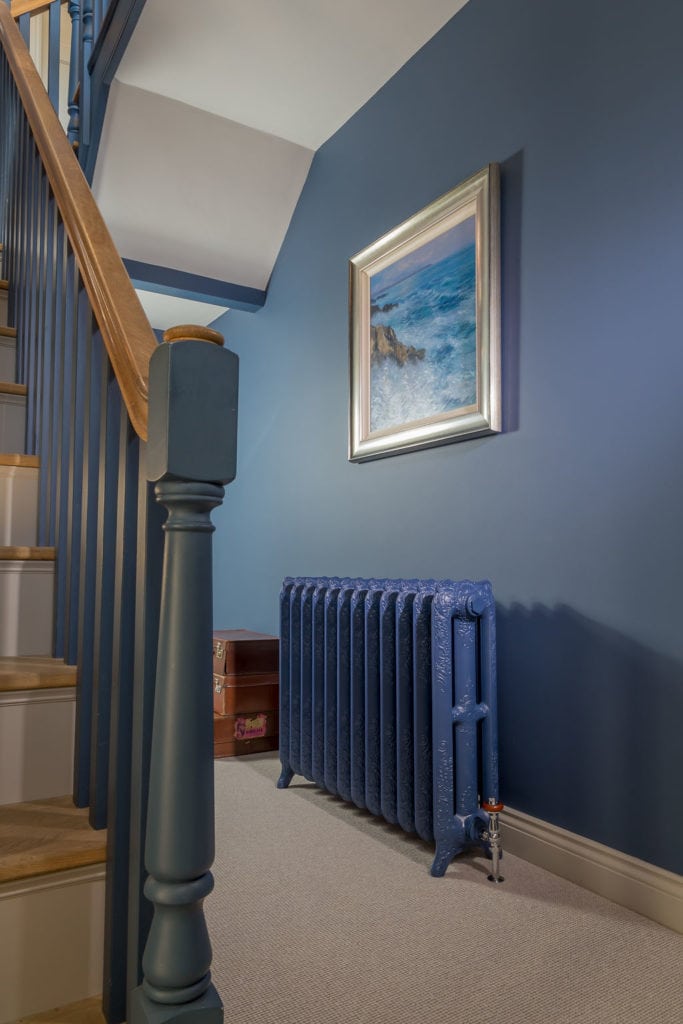
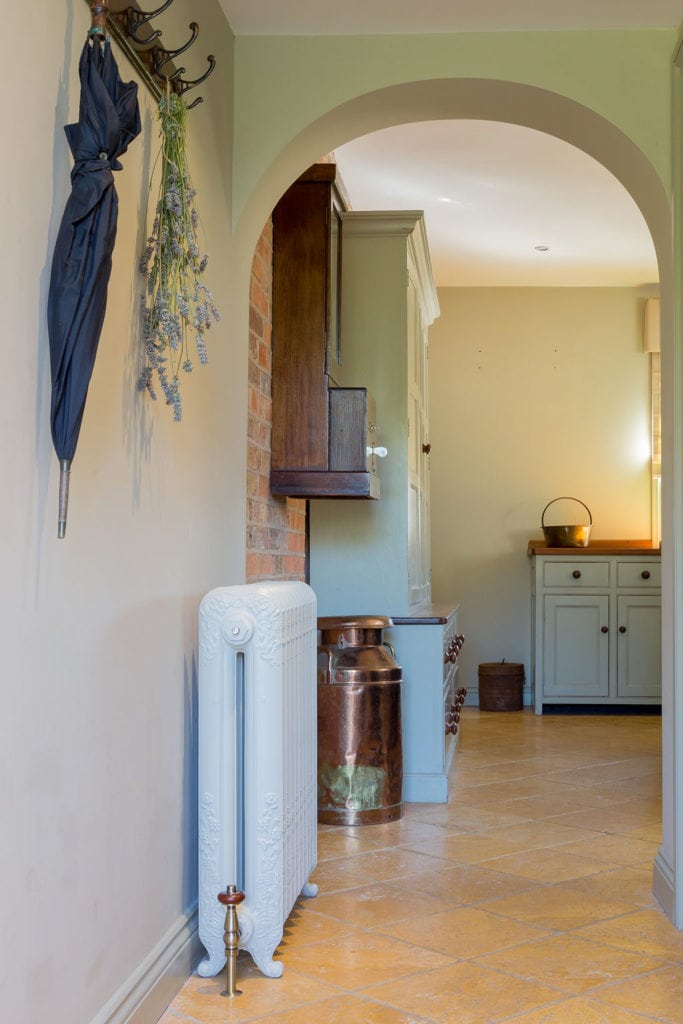
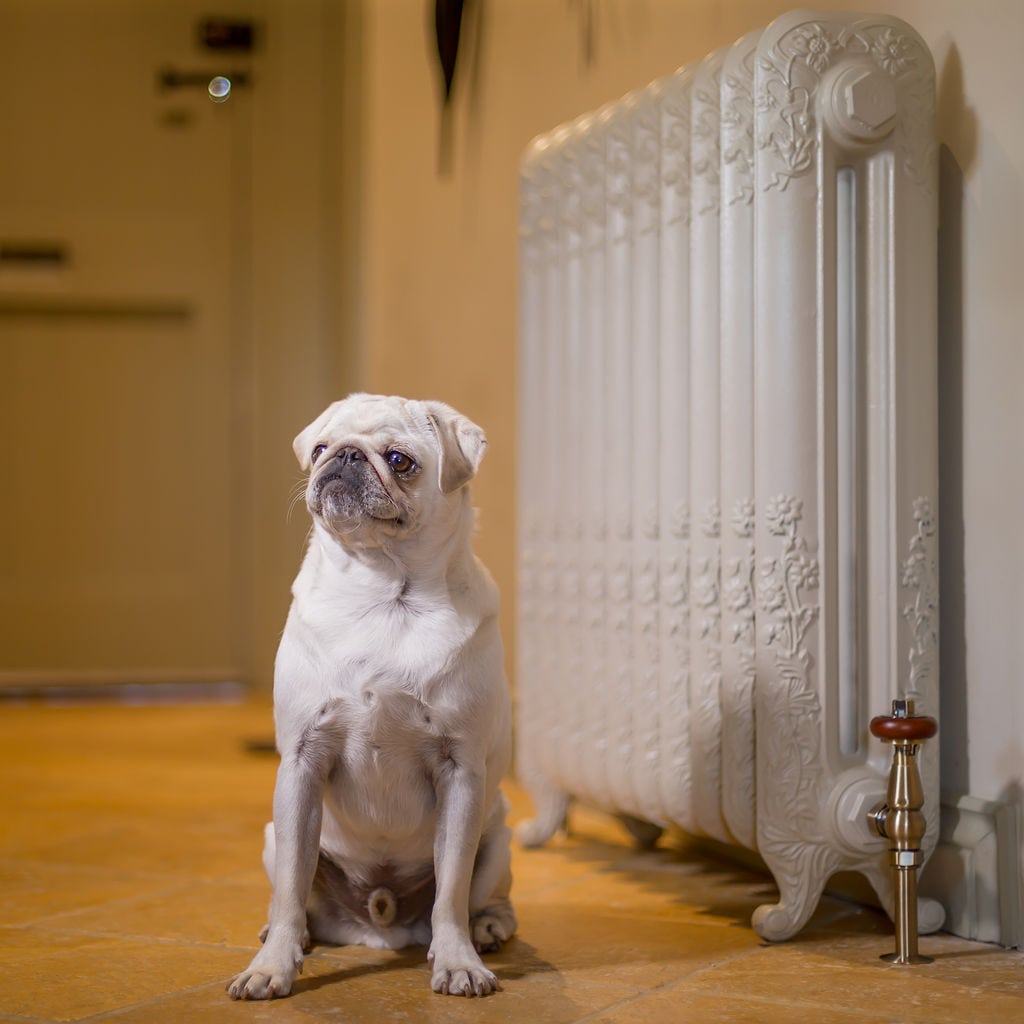

Shop Cast Iron Radiators by Size
4 Column Cast Iron Radiators
6 Column Cast Iron Radiators



Popular cast iron radiator styles
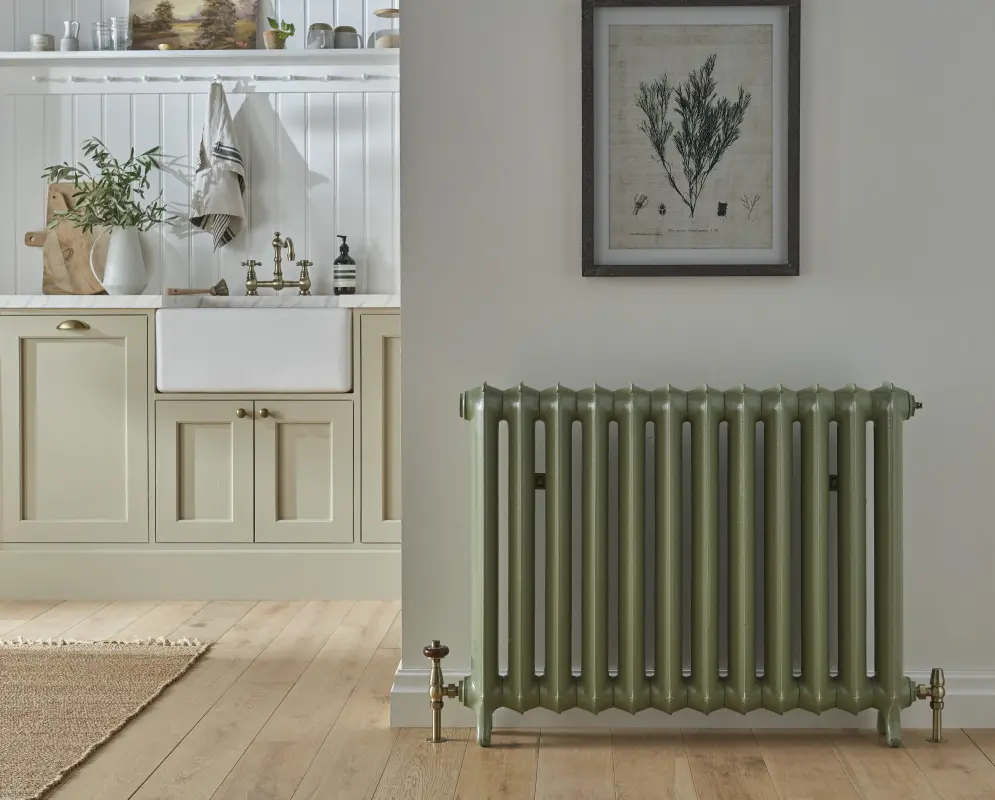
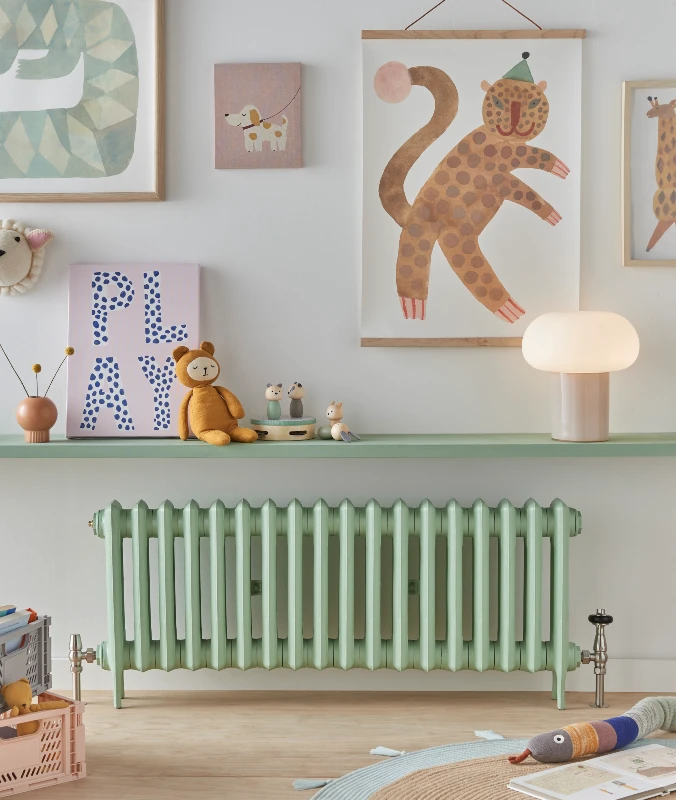
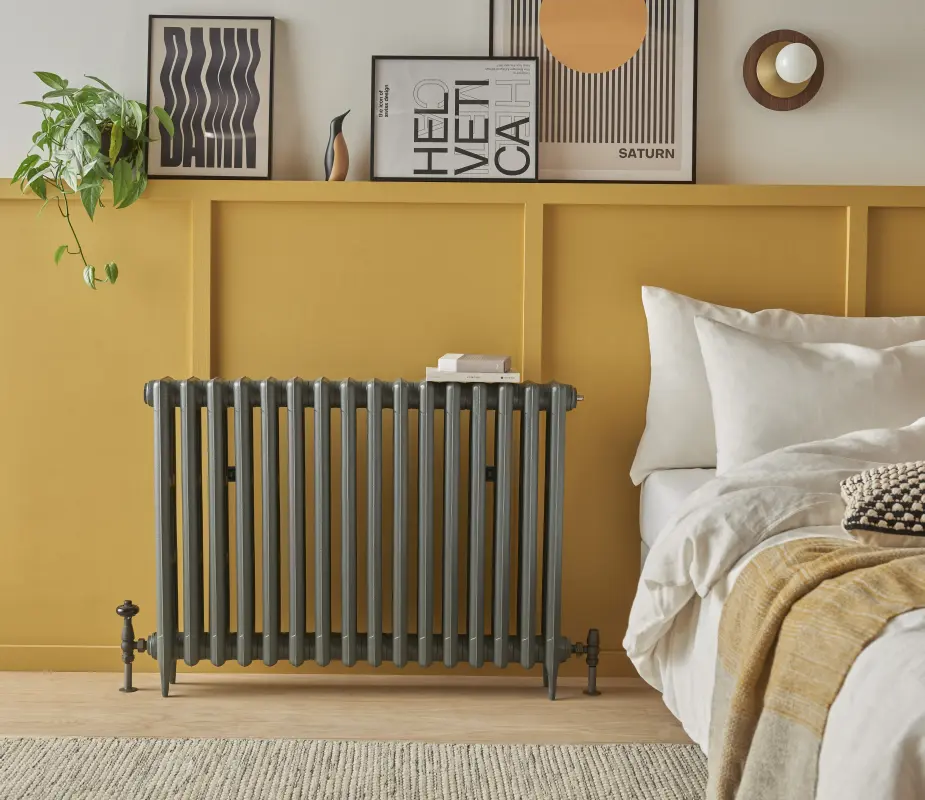
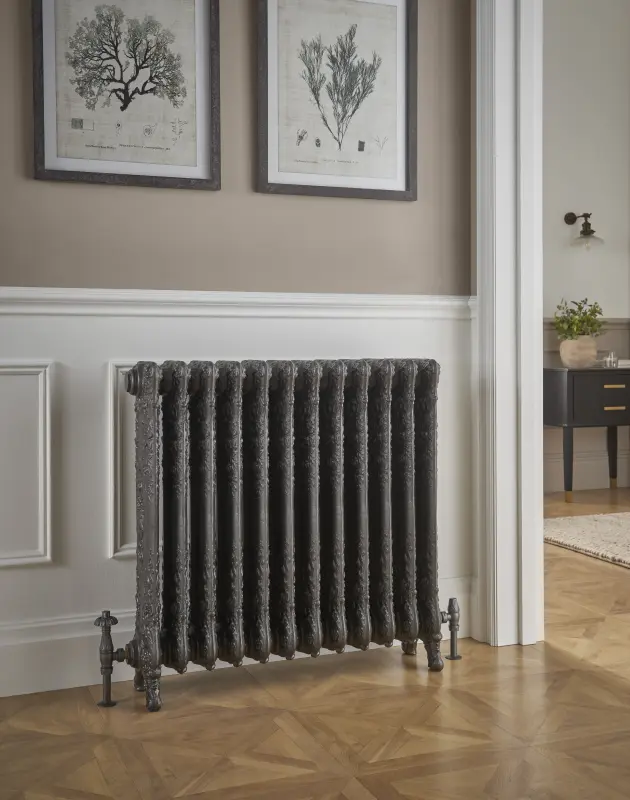
Cast iron radiators play a defining role in how a space looks and feels, not just how it heats. The Paladin range splits broadly into three style groups, each suited to a different type of home.
Traditional cast iron radiators are the cornerstone of the range. Models like the Neo Georgian, offer clean column profiles with the classic proportions associated with Victorian and Edwardian homes. These traditional cast iron radiators sit well in period terraces, Georgian townhouses, new builds designed with heritage cues, and properties where the radiator needs to feel authentic without being overly decorative.
Ornate and Victorian cast iron radiators are our most decorative models. The Oxford and Piccadilly carry deep floral and geometric patterns with crisp casting detail throughout, making them well suited to formal living rooms, hallways and dining rooms in Victorian or Edwardian properties. The Kensington sits in similar territory with a slightly softer profile. If you're restoring original features or specifying for a listed building, these are the Victorian cast iron radiators most often chosen by interior designers and heritage architects.
Modern cast iron radiators bring the material into contemporary homes with simpler castings and cleaner lines. The Bartholomew and Sloane work particularly well in modern extensions, commercial interiors and open-plan spaces where the radiator needs to feel considered rather than ornate. Paired with polished or metallic finishes, these modern cast iron radiators let the material itself do the work without period detailing.
Column configuration shapes both visual presence and heating performance. A 2-column cast iron radiator provides a slimmer profile for tighter spaces or under windows. 3-column and 4-column cast iron radiators offer greater depth and higher heat output for medium to large rooms. 6-column and tall cast iron radiators are specified for high-ceilinged rooms and spaces needing maximum output from limited wall length. The compact Churchill (141 watts / 480 BTUs per section) suits low bay windows, conservatories and loft conversions where vertical space is limited.
For a fuller overview of each model, see our top 10 cast iron radiator models guide.
Types of cast iron radiators
Wet system (central heating) cast iron radiators are the standard Paladin installation. They connect to your boiler through existing or new pipework and are built to the exact section count the room requires. This suits whole-home heating in properties with functional pipework. The sectional construction allows precise sizing across room types, from compact bedrooms and hallways through to larger, open-plan living spaces. They work with combi boilers, system boilers and conventional setups with no special requirements beyond correct sizing and appropriate valves.
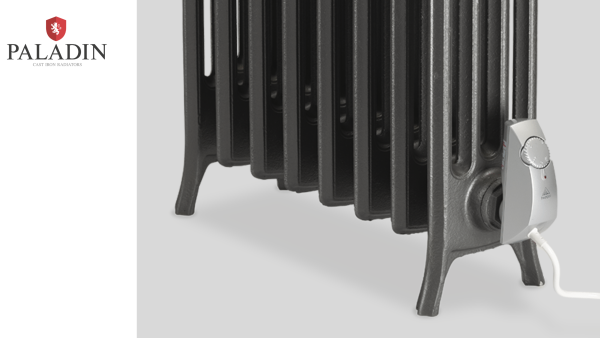
Electric cast iron radiators offer a practical alternative where central heating is unavailable or independent control is needed. Rather than circulating hot water, they use an integrated 240V heating element with thermostat and frost protection built in. This makes them well suited to loft conversions, garden rooms, bathrooms, outbuildings and listed buildings where extending pipework would damage historic fabric. They also allow room-by-room temperature control without any modification to existing pipework. Read our full guide to how electric cast iron radiators work.
Cast iron radiators for heat pumps are increasingly specified as the UK transitions away from gas boilers. Air source and ground source heat pumps run at lower flow temperatures (typically 40–55°C) than gas boilers (65–75°C), which means radiators need to transfer more heat at lower water temperatures. Cast iron's high thermal mass, large internal water volume and large surface area make this transfer efficient and consistent, and the slower heat cycles of a heat pump match cast iron's natural heating characteristics. For heat-pump installations, cast iron radiators typically need to be sized larger than the equivalent steel panel: often 1–2 additional sections per radiator. Our team can specify correct sizing based on your heat loss calculations and planned flow temperature. Read more about cast iron radiator efficiency and green heating.
Across all configurations, the core principle is the same: precise, long-lasting heat delivered through solid cast iron construction, built to suit the space and the specification.
How much do cast iron radiators cost?
Paladin cast iron radiators are built to order, so final cast iron radiators price depends on your chosen design, column count, section count, finish and valves. The table below gives typical starting prices across our range (inc. VAT).
Prices are before painting
| Specification | Typical starting price per section | Typical 6-section radiator price |
|---|---|---|
| Traditional column (2-column, standard paint) (Bartholomew 570mm) | from £53 | from £320 |
| Traditional column (4-column, standard paint) (Neo Georgian 4, 660mm) | from £43 | from £260 |
| Ornate (Oxford, Piccadilly, Kensington) (Piccadilly 660mm) | from £66 | from £400 |
| Tall cast iron radiators (6-column) (Neo Georgian 6, 960mm) | from £96 | from £580 |
Cast iron radiators cost more upfront than steel panel radiators, but the total cost of ownership is lower over the life of the installation. Steel panel radiators typically have a shorter lifespan than cast iron; a Paladin cast iron radiator is built to last 50 years or more. Factor in reduced boiler cycling thanks to cast iron's heat retention, and the running costs are competitive with any modern radiator type.
Complete your cast iron radiator installation
Every Paladin cast iron radiator ships with wall stays and is designed to work with our full range of cast iron radiator valves and accessories: including thermostatic radiator valves, manual valves, bush ends and pipe shrouds in matching finishes.
For installation guidance, see our installation guide or read how to safely carry and install cast iron radiators. Heating engineers working on cast iron installations can access dedicated technical resources on our heating engineers page. For larger multi-room projects, use our project builder to spec out multiple radiators efficiently.