
Why Is My House So Cold? (and how cast iron radiators help)
This guide answers “why is my house so cold?” with general UK advice. It isn’t medical advice, so if anyone at home is elderly, very young or unwell, keep rooms at 18°C or above and ask a GP or pharmacist. Ask a Gas Safe registered engineer before you change any boiler setting.
The usual reason a house is cold is that it loses heat faster than the heating replaces it. Draughts, an uninsulated roof, thin walls and cold windows do most of the damage, and undersized or air-locked radiators make it worse. Cast iron radiators hold their heat, which keeps rooms steadier, but they can’t fix a house that leaks.
Estimated reading time: 5 minutes
Key takeaways
- The usual reason a house is cold is that it loses heat faster than the heating replaces it.
- A house is colder than outside when thick walls and floors have stored the cold and the indoor air is still.
- A house is cold even with the heating on when the radiators can’t keep up with the heat the house is losing.
- 20 degrees feels cold when the surfaces around you are colder than the air.
- 17 degrees is cold for a house, because 18°C is the recommended winter minimum.
- The signs of a poorly insulated house are cold walls, uneven rooms, draughts and condensation.
- The effects of living in a cold house are poorer health, damp walls and heating that never catches up.
- The way to warm up a cold house is to stop the heat leaving first and then heat the rooms you use.
- Cast iron radiators are a help in a cold house because they hold heat and release it slowly.
Why is my house colder than outside?
A house is colder than outside when thick walls and floors have stored the cold and the indoor air is still. On a mild, sunny day after a cold spell, the sun warms you directly outdoors. Indoors, the walls are still giving back the chill. Nothing warms them.
Solid masonry has high thermal mass, which Historic England describes as slow to warm and slow to cool, so a heavy old house can lag behind the weather. A little heating on a mild day, or opening curtains to let the sun in, usually takes the edge off.
Why is my house cold even with the heating on?
A house is cold even with the heating on when the radiators can’t keep up with the heat the house is losing. The most common causes are simple. A radiator that’s cold at the top often has trapped air, which bleeding fixes, and one that’s cold at the bottom often has sludge.
Radiators that are too small for the room never quite catch up. A boiler flow temperature turned down too far gives out less heat, so check your coldest room after any change. A thermostat in a warm hallway can also switch the heating off while the rest of the house is cold.
Why does 20 degrees feel cold in my house?
Twenty degrees feels cold when the surfaces around you are colder than the air. A paper by thermal comfort researcher Bjarne Olesen, hosted by the Air Infiltration and Ventilation Centre, describes comfort as a mix of air temperature, surface temperature, air movement and humidity, plus clothing and activity. The temperature you feel sits roughly halfway between the air and the surfaces around you.
With 20°C air next to 16°C walls and windows, the room feels closer to 18°C. Draughts make it worse, because moving air takes heat from bare skin.
Is 17 degrees cold for a house?
Seventeen degrees is cold for a house, because 18°C is the recommended winter minimum. A 2016 Public Health England systematic review found that heating a home to at least 18°C poses minimal risk to the health of a sedentary person wearing suitable clothing.
That’s a minimum rather than a target. If you’re elderly, unwell or sitting still for long periods, aim a little higher.
What are the signs of a poorly insulated house?
The signs of a poorly insulated house are cold walls, uneven rooms, draughts and condensation. Press your hand to an outside wall on a cold day. If it feels cold and clammy, the wall may be losing heat or holding damp. Rooms that lose their warmth within an hour of the heating going off, and rooms on the same floor that differ by several degrees, point the same way, because heat is escaping faster than the radiators can replace it.
Check the loft first. The Energy Saving Trust says an uninsulated home can lose around 25% of its heat through the roof.
What are the effects of living in a cold house?
The effects of living in a cold house are poorer health, damp walls and heating that never catches up. A 2023 systematic review from Liverpool John Moores University found that indoor temperatures below 18°C are linked with negative health effects, though the evidence is not strong enough to set exact thresholds for different groups.
Cold walls also collect condensation, and Historic England lists mould growth and poor indoor air quality among the problems of persistently damp walls. A damp wall also loses heat faster.
How do you warm up a cold house?
The way to warm up a cold house is to stop the heat leaving first and then heat the rooms you use. Draught proof old doors and windows, but leave trickle vents open. Draw heavy curtains at dusk and shut internal doors.
If your radiators have been cold in patches, bleed them and check each room reaches its temperature. Then heat the living room during the day and the bedroom before bed. Insulating the loft is a good first job if yours is bare.
How do cast iron radiators help a cold house?
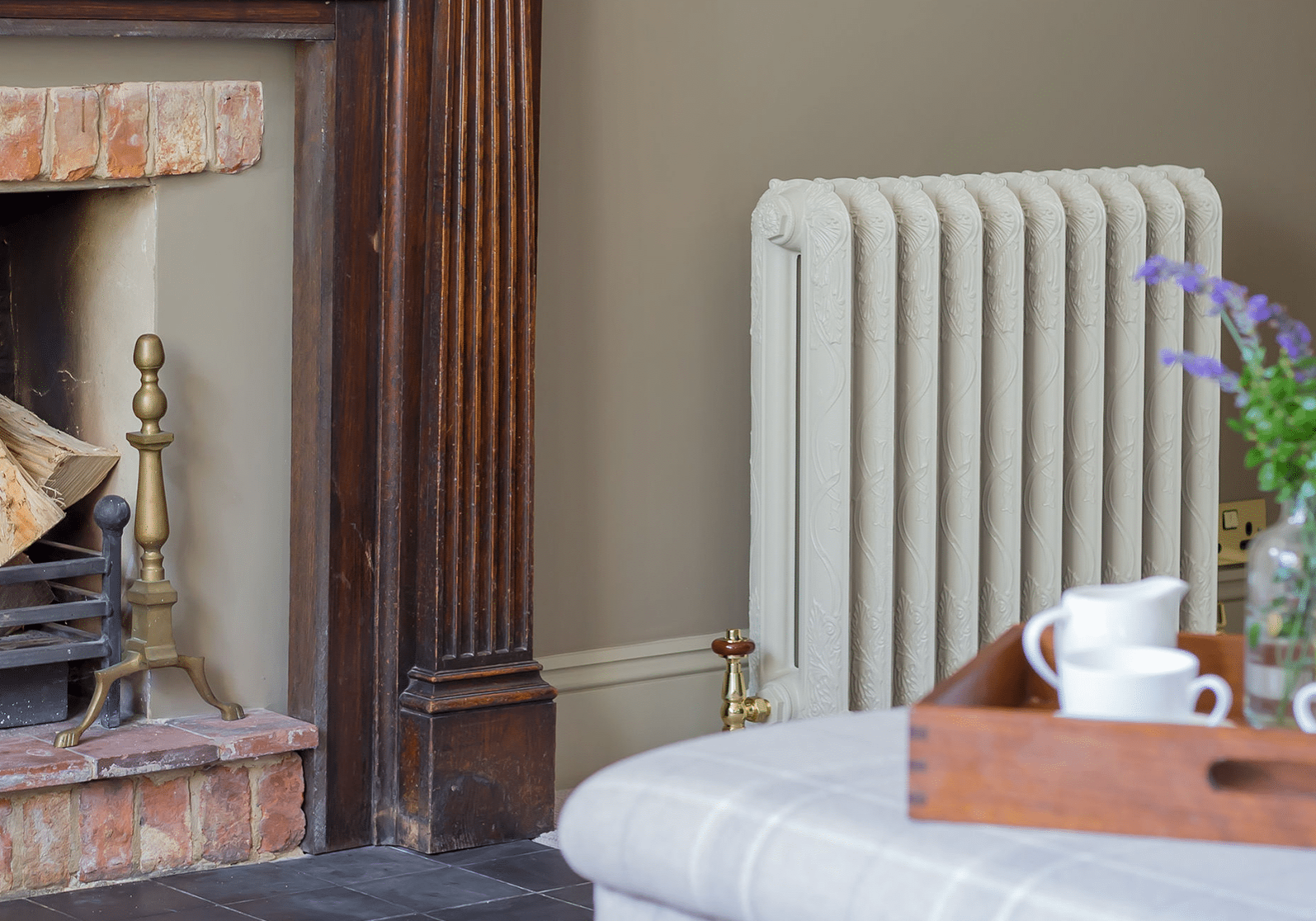
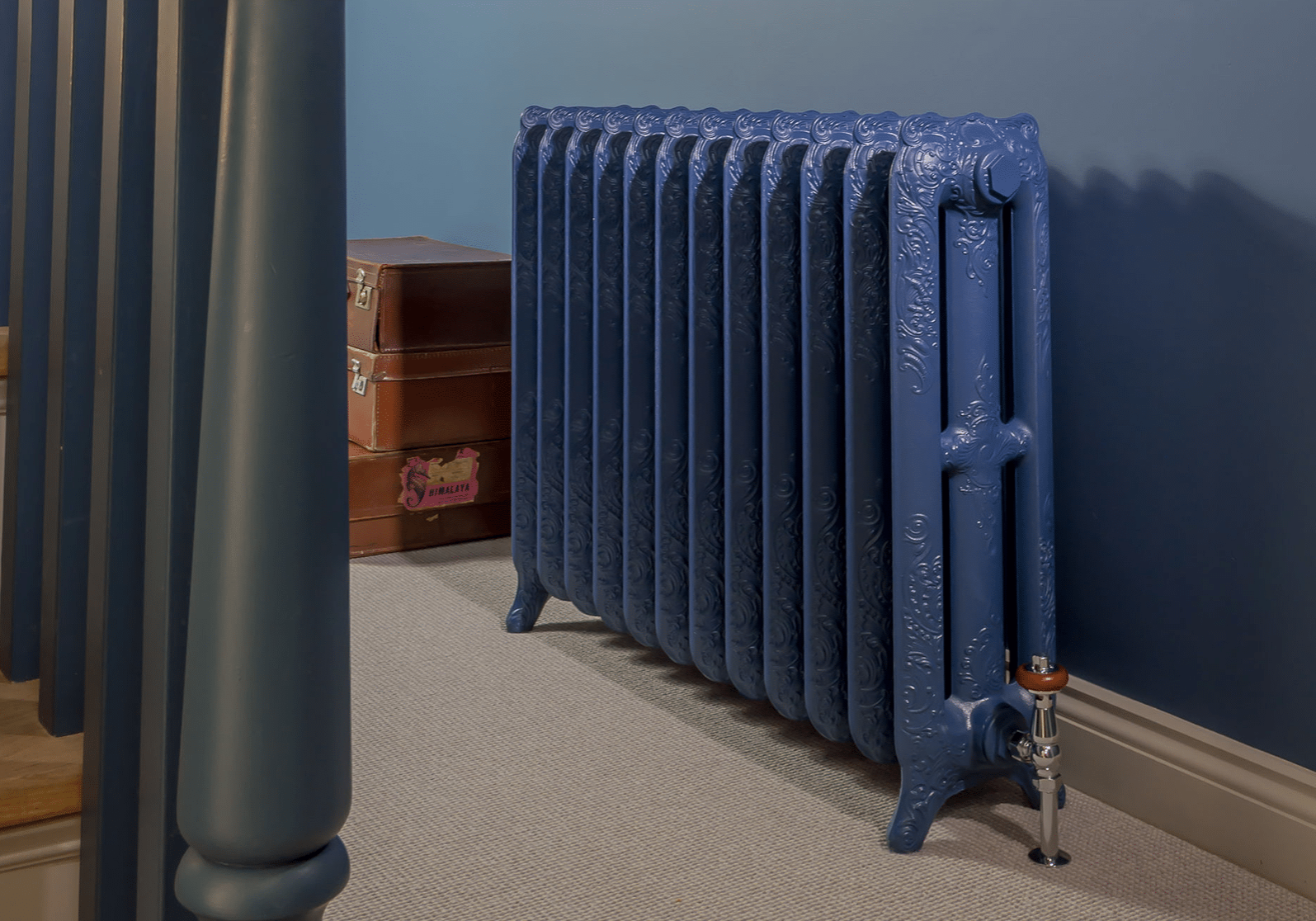
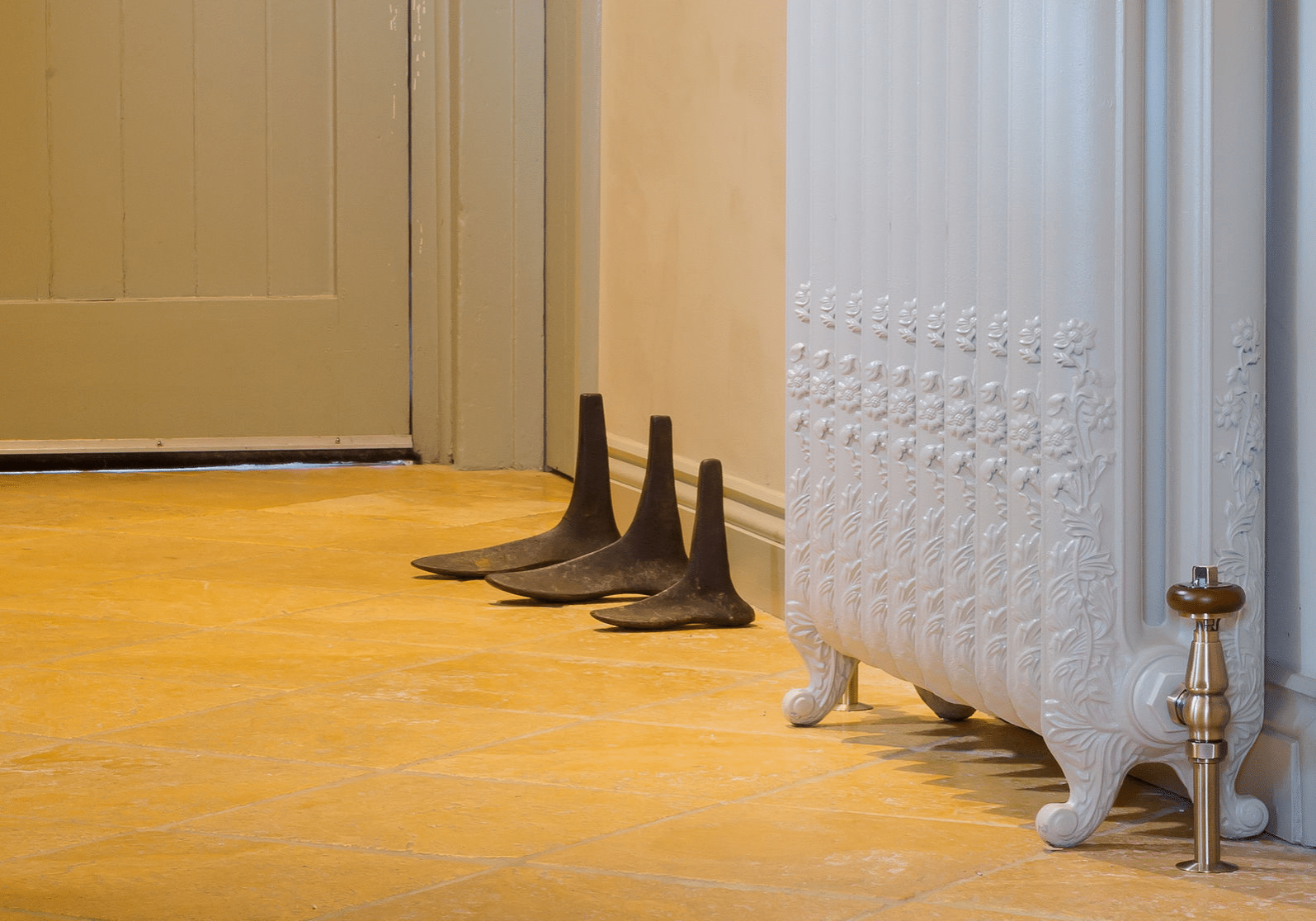
Cast iron radiators are a help in a cold house because they hold heat and release it slowly. The iron and the water inside are slow to cool, so a room keeps getting warmth after the boiler switches off, and the temperature doesn’t swing as much as it does with a lighter radiator.
Size matters most. Our team will help you work out the output a room needs, because a radiator that’s too small never catches up.
If you’re not sure what size suits your cold room, use our free heat calculator and then contact our team.
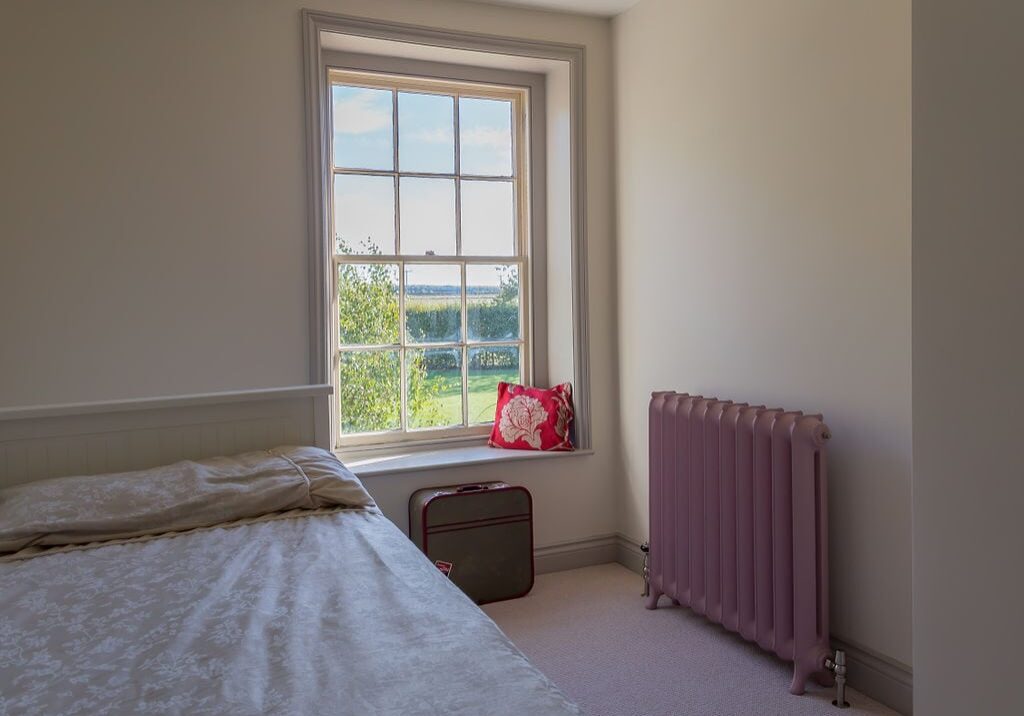
“I want to say thanks and how fantastic the radiators look along with the cast quality and the excellent painting and polishing finish. I now can’t wait to get them installed! Many thanks again for all your help and assistance.”
“Thank you for all your help, we will definitely recommend Paladin to anyone we know who is looking for cast iron radiators and will get in touch when we’re needing radiators for our ground floor.”