
Best Way To Heat A Period / Old House In Winter
The best way to heat an old house is to fix damp and draughts first, then heat it gently and steadily. Solid walls are slow to warm and slow to cool, so steady heat from radiators that hold their warmth suits them better than short blasts. Period style radiators such as Victorian cast iron radiators give that steady heat and suit the look of the house.
Estimated reading time: 5 minutes
Key takeaways
- The best way to heat an old house is to fix damp and draughts first, then heat it gently and steadily.
- The most efficient way to heat an old house is to lose less heat before you add more.
- The way to make an old house warmer is to fix damp first and then add only insulation the walls can live with.
- The best heating solution for an old house is steady, low temperature heat from well-sized radiators.
- An unoccupied house is safest kept above freezing at the very least, and a little warmer if it has solid walls.
- Cast iron radiators are a good match for an old house, because solid walls and heavy radiators both hold heat.
- The radiators that suit a Victorian house are the ones with period detail that fit the room’s proportions.
What is the most efficient way to heat an old house?
The most efficient way to heat an old house is to lose less heat before you add more. Historic England says traditional buildings are often better at keeping heat than people think, so check what you’ve got before you spend any money.
The roof is the usual place to start. The Energy Saving Trust says an uninsulated home can lose around 25% of its heat that way. Draught proof old doors and windows. Leave trickle vents and ventilation grilles open, because an old house needs to breathe. Then set the thermostat as low as you’re comfortable with. That’s 18°C to 21°C for most people.

How can I make my old house warmer?
The way to make an old house warmer is to fix damp first and then add only insulation the walls can live with. A damp wall loses heat faster than a dry one, and Historic England says the source of any damp must be dealt with and the wall left to dry before any insulation goes on.
Warming a modern house is one thing. Warming a damp, solid walled one is another, because the walls have to dry before they can help. The wrong insulation does harm. Cement render and other products that block moisture trap damp inside the wall. That can rot timbers and decay the brick or stone. Some Victorian houses have early cavity walls. Historic England says to treat these like solid walls, because cavity fill can let moisture through to the inside. Heavy curtains and closed internal doors don’t cost anything, and they help in every house.

What is the best heating solution for an old house?
The best heating solution for an old house is steady, low temperature heat from well sized radiators. A gas boiler turned down to a lower flow temperature does this well. A heat pump can too. Nesta notes that heat pumps run at lower flow temperatures, so some radiators may need more surface area.
Electric cast iron radiators suit homes with no central heating, or where pipework would damage the old fabric. Our electric range runs from around 420 to 2,800 watts depending on the model. No single system suits every old house so it’s worth having a room-by-room heat loss check done first.
What temperature should an unoccupied house be in the UK in winter?
An unoccupied house is safest kept above freezing at the very least, and a little warmer if it has solid walls. Most heating controls have a frost setting of around 5°C. That protects the pipes, but cold walls can still get condensation and damp.
Check your insurance policy too. Many insurers set a minimum temperature for empty homes, commonly somewhere between 10°C and 15°C, and a frost setting alone won’t always meet it.
Are cast iron radiators good for heating an old house?
Cast iron radiators are a good match for an old house because solid walls and heavy radiators both hold heat. Historic England describes solid masonry as having high thermal mass, which means it’s slow to warm and slow to cool, and cast iron behaves the same way, so the heat from a cast iron radiator feels steady rather than sharp. It’s a bit like a hot water bottle: slow to warm up and slow to let go.
A cast iron radiator won’t out-heat a steel one of the same output, because heat output depends on the BTU rating not the material. It warms up slowly too so it suits rooms you use for hours. Original Victorian radiators often need stripping and pressure testing. A new one with the same look is the simpler route.

Which radiators suit a Victorian house?
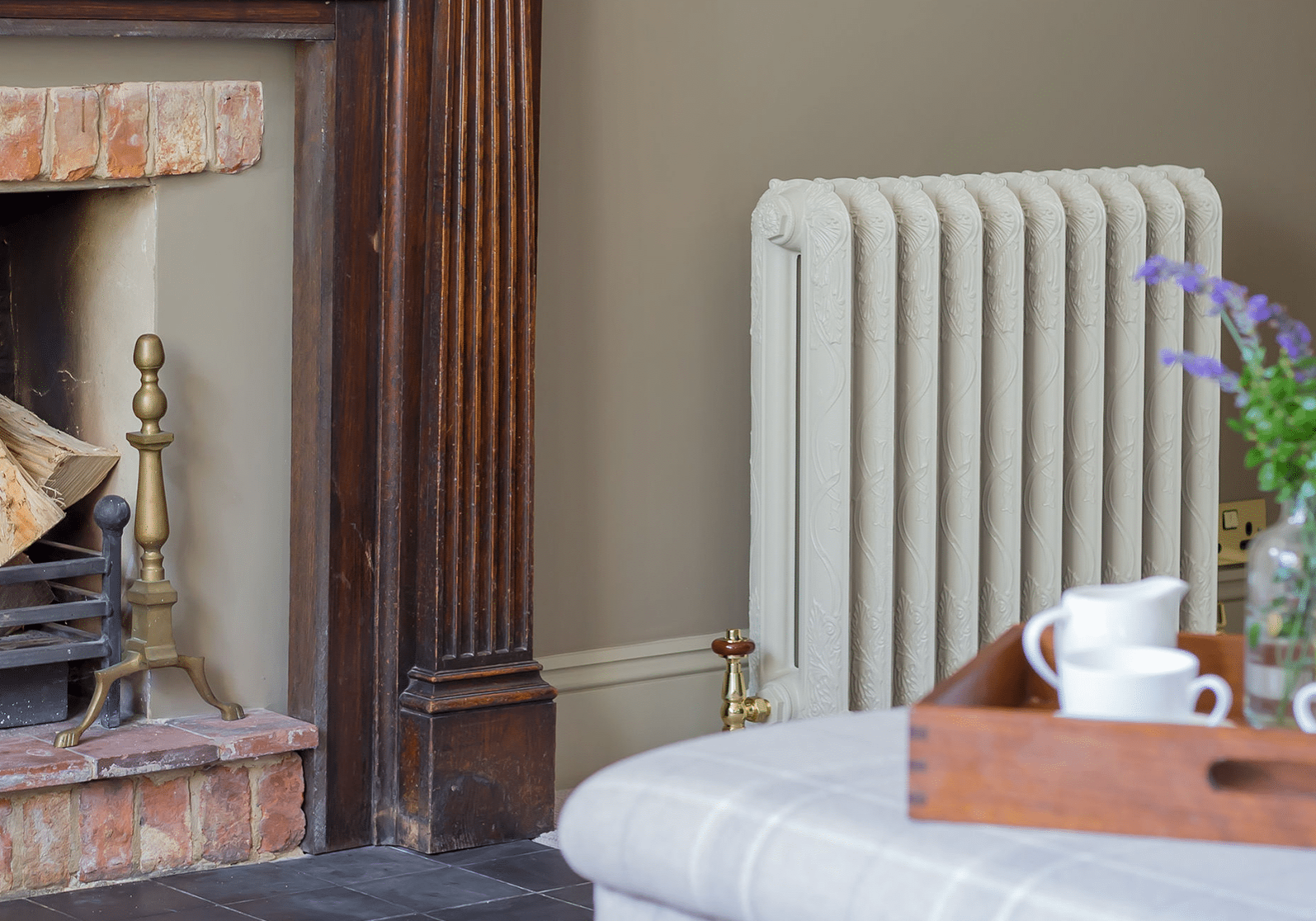
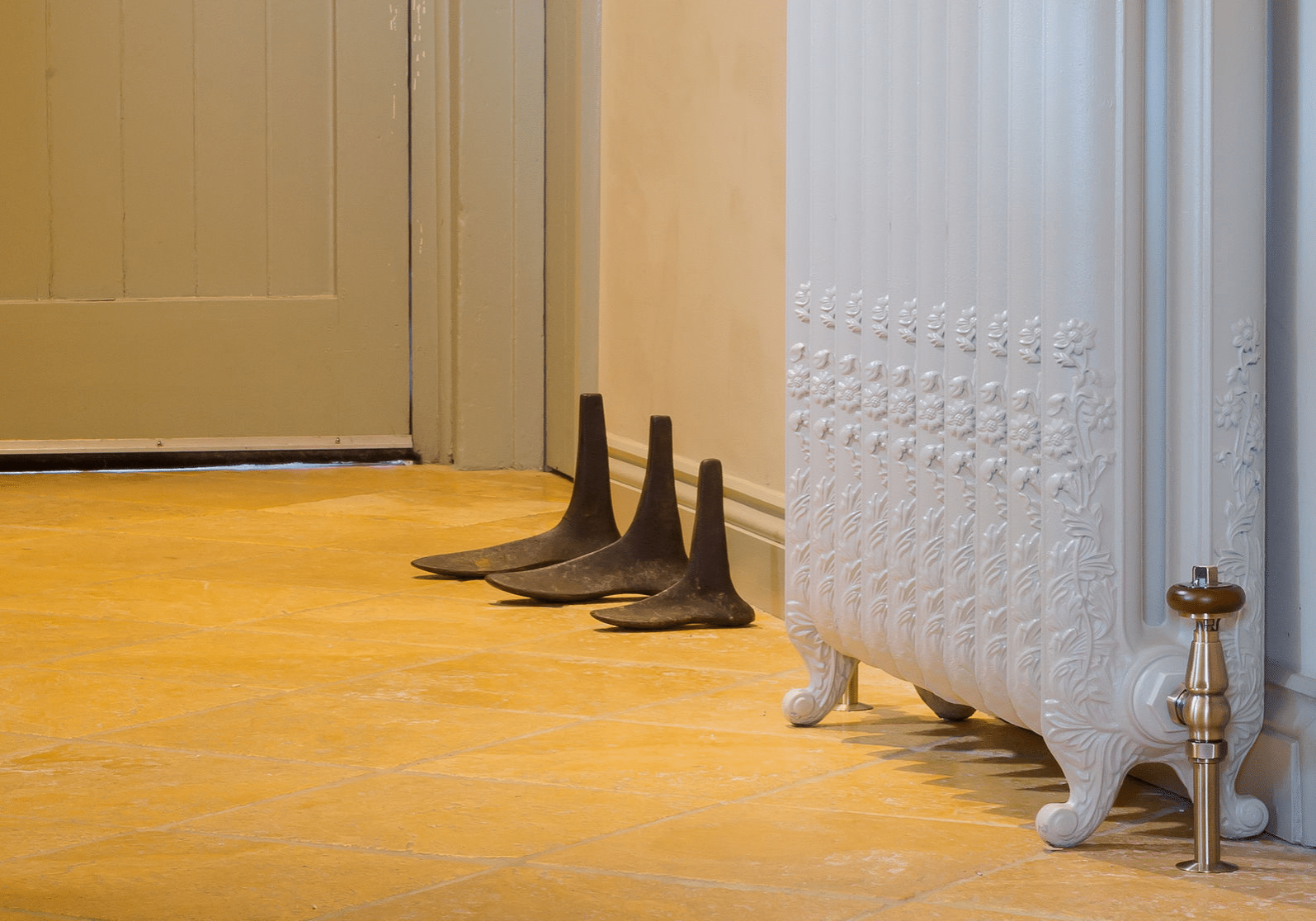
The radiators that suit a Victorian house are the ones with period detail that fit the room’s proportions. The Victoriana 3 column has a clean, classic profile for living rooms, bedrooms and dining rooms. The Victoriana 4 column adds thermal mass for grander drawing rooms.
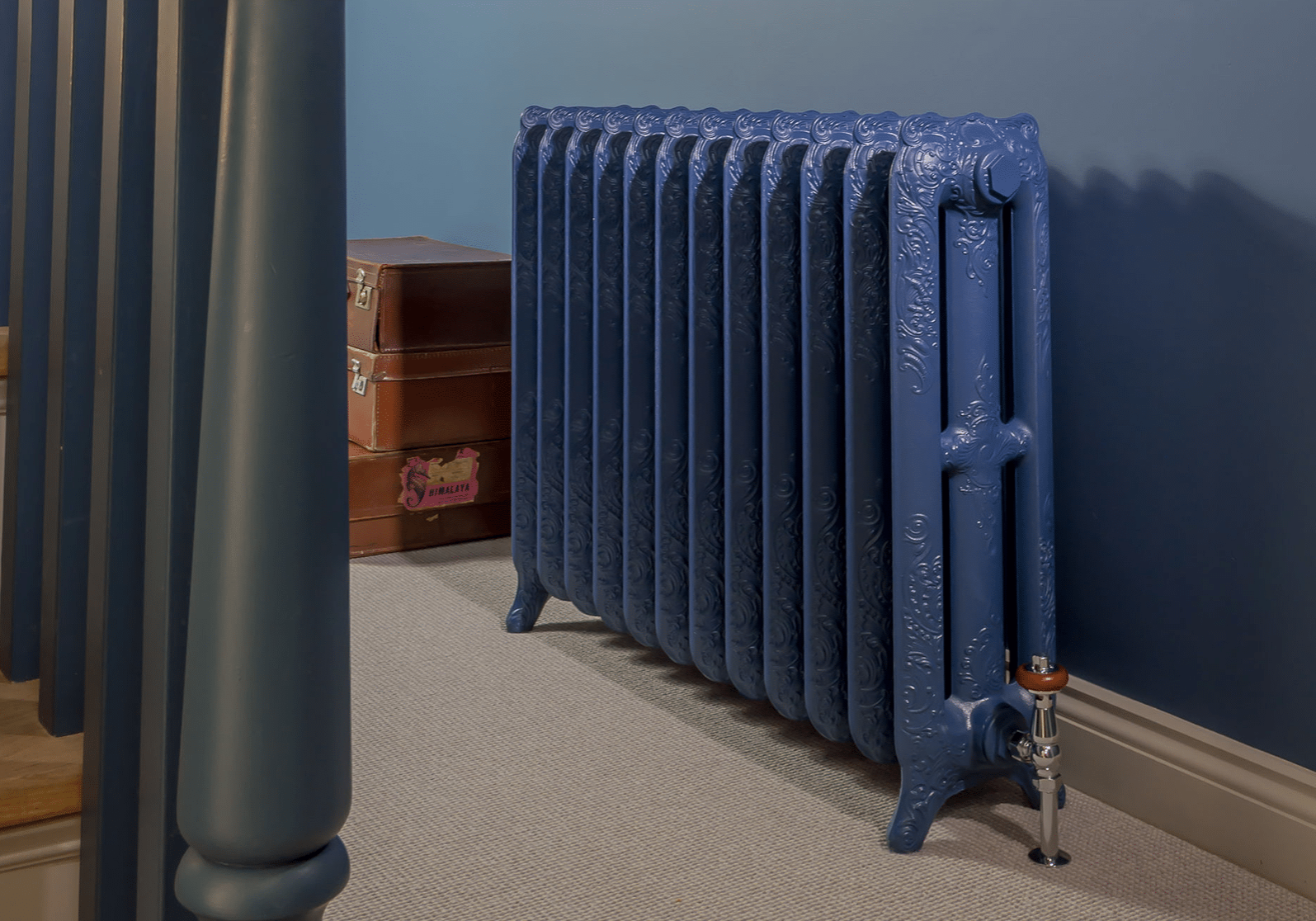
The Kensington and the Oxford bring scrolled and scalloped detail to larger period rooms. Tall models suit hallways, where they warm the draught from the front door.
Heating an old house well takes patience, and steady heat does more for it than a high setting. If you’re not sure what size suits your room, use our free heat calculator and then contact our team.
Disclaimer: This is general UK guidance from October 2026, and every old house is built a little differently. Ask a qualified installer or heritage specialist before you insulate or change the heating. If the building is listed, check with your local authority first.
“I want to say thanks and how fantastic the radiators look along with the cast quality and the excellent painting and polishing finish. I now can’t wait to get them installed! Many thanks again for all your help and assistance.”
“Thank you for all your help, we will definitely recommend Paladin to anyone we know who is looking for cast iron radiators and will get in touch when we’re needing radiators for our ground floor.”