

Radiator valves control the flow of hot water into your heating system, directly affecting the warmth of your rooms and the amount of energy you use. They’re small components that make a big difference to your comfort and heating bills.
Whether you’re upgrading your heating system, replacing faulty valves or installing new radiators, understanding the different types helps you make the right choice. This guide covers everything you need to know about radiator valves, from the basic options to the details that decide whether they’ll fit properly.
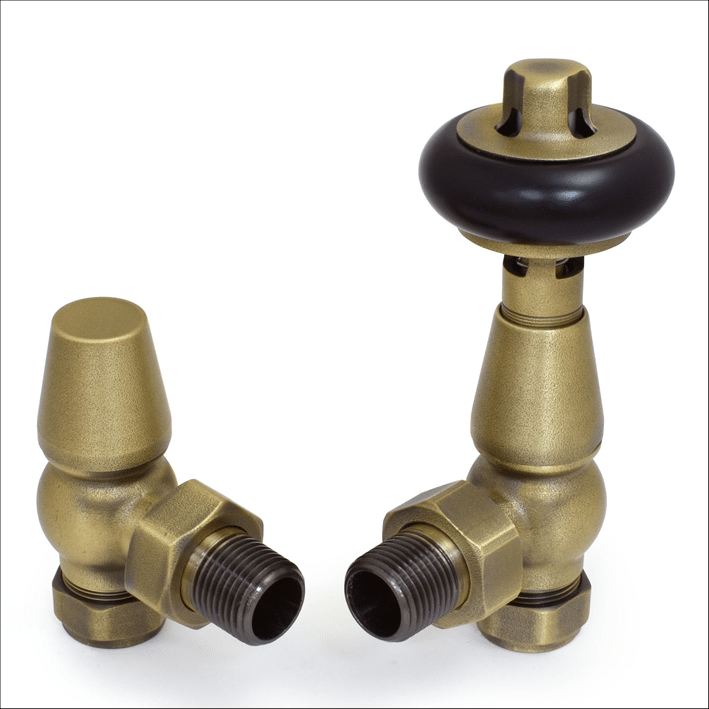
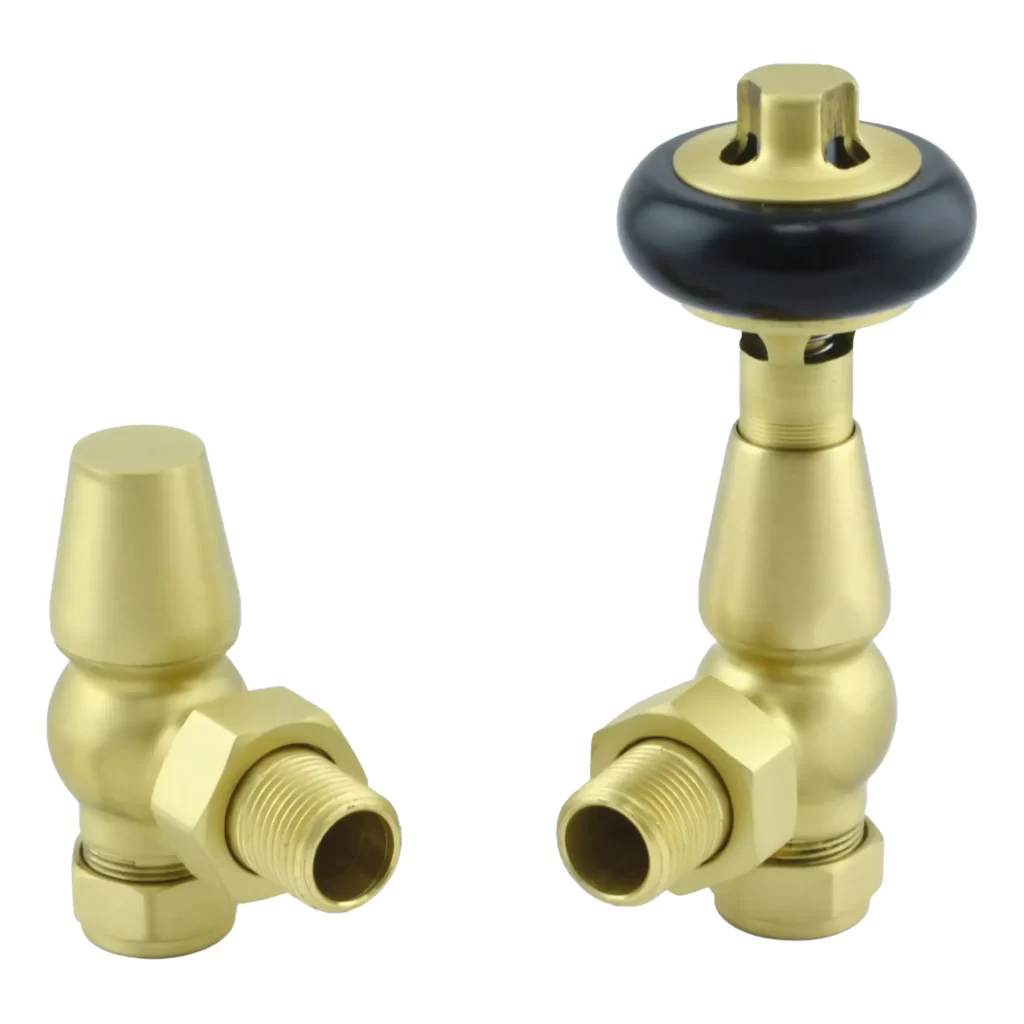
What types of radiator valves are available?
There are two main types of radiator valve, and they work in entirely different ways. Manual valves give you direct control, turned by hand to adjust the heat. Thermostatic valves adjust automatically to the room temperature.
Manual valves are straightforward. You twist them to open or close the flow of hot water. They’re reliable, cost effective and ideal for anyone who prefers hands-on control of their heating.
Thermostatic radiator valves, or TRVs, contain a temperature sensitive element that expands and contracts as the room temperature changes. When your room reaches the set temperature, the valve reduces the water flow automatically. This keeps the temperature steady without you having to adjust anything.
TRVs are particularly useful if you’re out during the day. Instead of heating empty rooms to full temperature, they hold a lower level until you return. You set your preferred temperature using the numbered dial, typically ranging from 1 to 5, with the lowest settings giving frost protection rather than comfort heating. If you want a like-for-like replacement, most TRV heads carry a BS EN 215 mark, the European standard for how accurately a TRV holds its set temperature, which is worth checking against whatever you’re replacing.
Our manual radiator valves offer classic control, including ranges such as Lambeth and Kingsbury, in a range of finishes to match your interior design. For automatic temperature control, explore our thermostatic radiator valve options, including the ornate Belgravia and Highgrove sets, which can reduce your heating costs (see below).
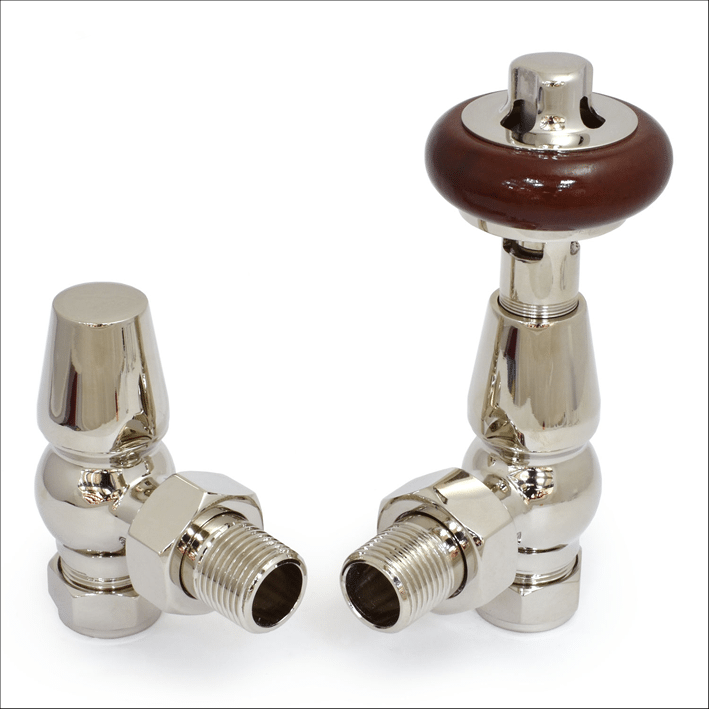
Which valve shape do I need for my radiator?
The valve shape depends on where your pipes originate and where your radiator connects. Getting this wrong means the valve won’t fit properly, so it’s worth checking before you make a purchase.
Straight valves have no bends and connect directly in line with your pipes. They’re typically used when pipes run along walls or skirting boards and connect directly to the radiator at 180 degrees. These take up less space and suit traditional radiator valves on period heating systems.
Angled valves bend at 90 degrees, allowing pipes to change direction as they connect to your radiator. They’re the most common choice in modern homes because they give a cleaner finish and help conceal pipework. Use angled valves when pipes come up from the floor and connect to the bottom of your radiator.
Corner valves work similarly to angled valves, but keep the valve head flush against the wall. They’re mainly a design choice, reducing the chance of catching your leg on a protruding valve. Corner valves are particularly good when pipes come out of the wall itself and you want a neat, low profile finish.
H-block valves are shaped like an H to connect twin pipes on middle connection radiators. They’re designed for specific radiator types where both connections sit close together at the centre.
Here’s a simple way to work out which shape you need:
- Pipes up from the floor + connecting to the bottom of the radiator = Angled valves
- Pipes along the wall or skirting board + direct 180 degree connection to the radiator = Straight valves
- Pipes out of the wall + want flush finish = Corner valves
- Middle connection radiators = H-block valves
How do thermostatic radiator valves save energy?
TRVs reduce energy waste by controlling room temperatures automatically. Instead of heating every room to the same level all the time, they adjust the heat output based on actual need.
When a room reaches your set temperature, the TRV closes to stop more hot water flowing through. As the room cools, it opens again to hold a comfortable temperature. This prevents overheating and reduces the workload on your boiler.
The energy savings are well documented and come from an independent source rather than a single manufacturer’s claim. Research carried out at the University of Salford found that, under standard operating conditions, a heating system fitted with TRVs uses around 18% less gas than the same system without them, a figure cited by the heating controls trade body BEAMA in its consumer factsheet on TRVs. This is a more reliable figure to quote than a generic percentage range, since it’s tied to a specific study rather than a marketing estimate.
Room-by-room control is where TRVs shine. You can keep bedrooms cooler than living areas or reduce heating in rooms that receive a lot of natural sunlight. This zoned approach means you’re only paying to heat the spaces that need it.
TRVs also adapt to changes during the day. If the sun heats a south facing room, or if you have guests who generate additional body heat, the valve automatically reduces the radiator’s output to maintain your preferred temperature.
For the best energy efficiency, combine TRVs with proper radiator sizing and regular maintenance. Our guide on choosing between manual and thermostatic valves provides a more detailed examination of the efficiency benefits.
What size radiator valve do I need?
Most UK radiators use 15mm valves, which match the standard pipe size in British heating systems. However, it’s always worth measuring your pipe diameter to be sure.
Pipe sizes typically range from 8mm to 28mm, though 15mm is by far the most common in domestic properties. If your pipes are a different size, adapters are available to ensure a proper fit. The valve size must match your pipe size exactly. A mismatch leads to leaks, reduced efficiency and potential damage to your heating system. When in doubt, measure twice and check with your heating engineer.
Some older properties have larger pipe sizes, particularly those with original heating systems from several decades ago. In these cases, you may need valves with a diameter of 22mm or larger. If you’re replacing existing valves, the most straightforward approach is to note the size of your current valves before shopping for replacements. The size is often marked on the valve body itself.
Our comprehensive valve and accessory range includes options for all standard pipe sizes, so you can find the right match for your heating system.
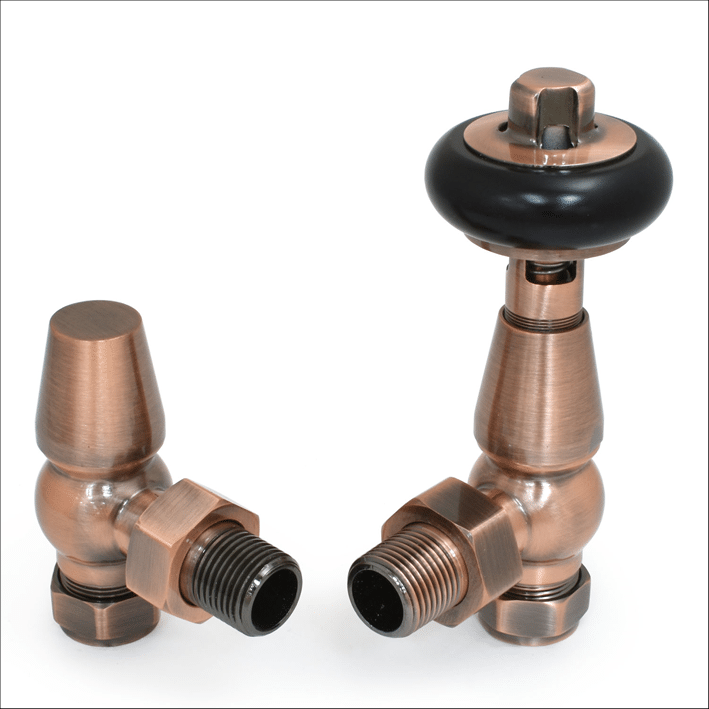
Which finish should I choose for my valve?
Valve finishes range from traditional brass and chrome to modern black nickel and antique copper. The right choice depends on your radiator finish and your overall room design.
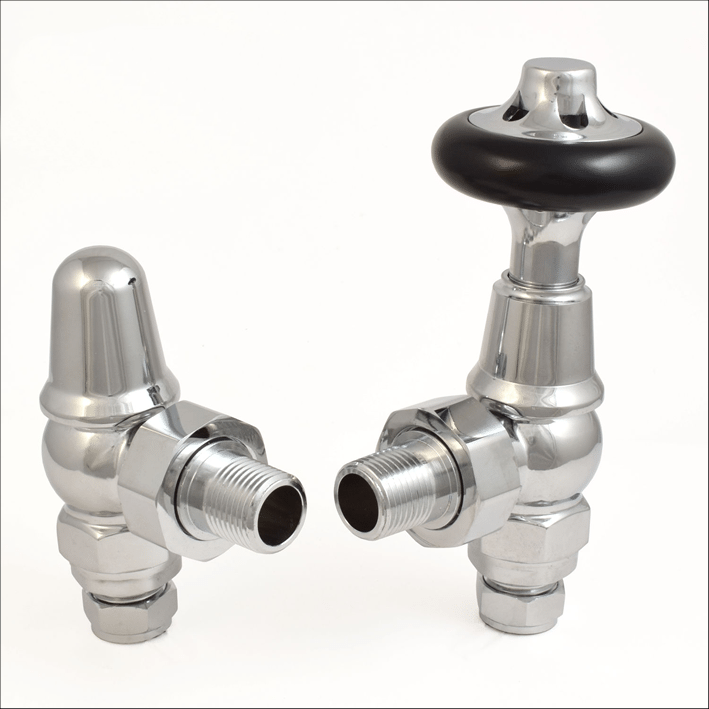
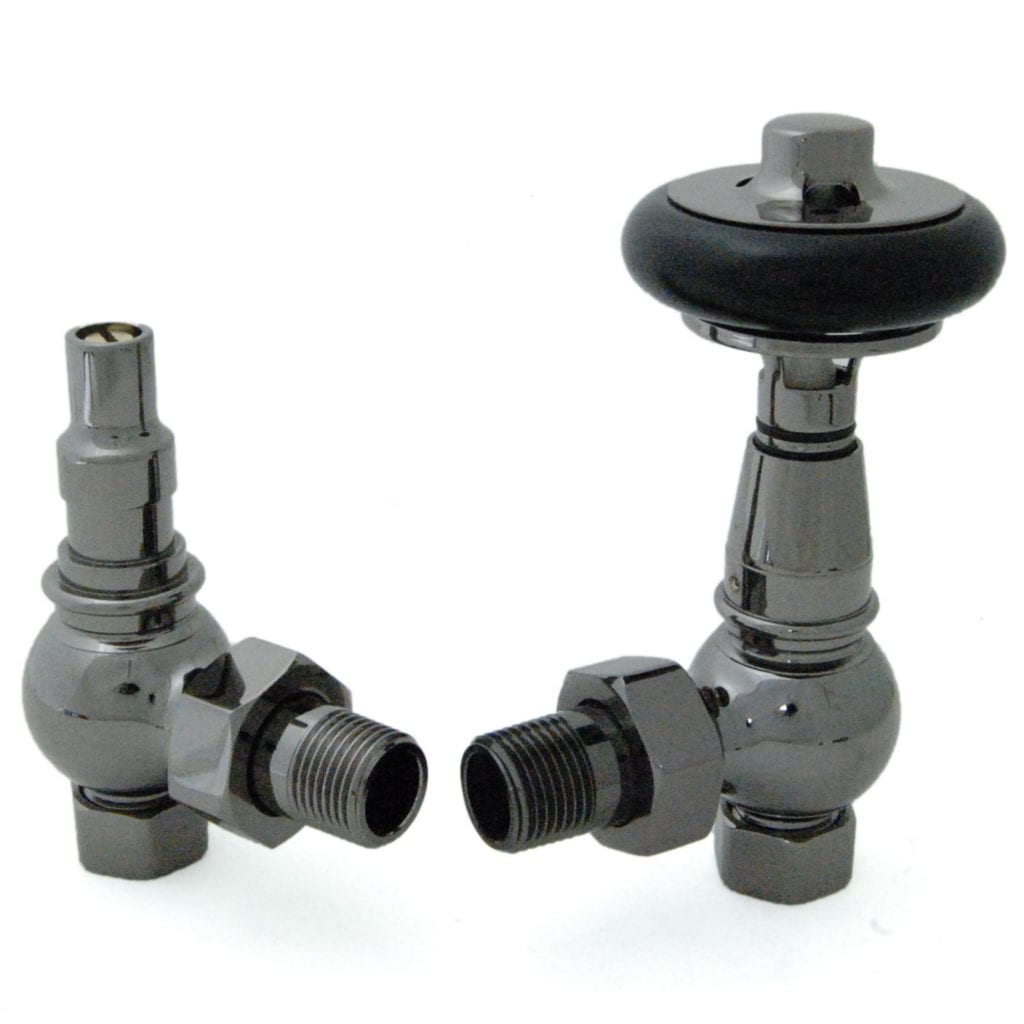

For the best visual result, match your valve finish to your radiator, or choose a complementary finish that enhances your overall design scheme. Our valves are available in a comprehensive range of finishes to suit every taste and interior style.
When should I replace my radiator valves?
Several signs indicate it’s time for new radiator valves. Cold spots on your radiator, even after bleeding, suggest the valve isn’t controlling water flow properly. Visible leaks around the valve indicate failed seals or corrosion that won’t improve with time.
Valves that stick open or closed are another common problem, particularly with TRVs that haven’t been used during the summer months. A temporary fix with penetrating oil might help, but persistent sticking usually means replacement is needed.
If you’re upgrading your heating system or installing new radiators, it’s often worthwhile replacing the valves at the same time. This ensures everything works together properly and lets you upgrade to more efficient TRV technology.
Energy efficiency improvements are a good reason to upgrade. If your current system runs old manual valves throughout, switching to TRVs can lead to real savings on heating bills.
Aesthetic improvements matter too. If your current valves are old, corroded or don’t match your interior style, new valves can transform the appearance of your heating system.
Building Regulations Approved Document L is specific on this point, rather than leaving it to guesswork. When a boiler is replaced in an existing home, every radiator must have thermostatic room controls, usually met by fitting a TRV, except for the one radiator in the room containing the main room thermostat. This has applied in England since June 2022, so if you’re due a new boiler and your radiators still run on manual valves throughout, upgrading most of them isn’t just good practice, it’s a requirement your installer has to meet. You can read the full requirement in Approved Document L, Volume 1, paragraph 5.20, or check with your heating engineer for how it applies to your installation.
Our detailed guide on changing a radiator valve covers the replacement process step by step, helping you decide whether to tackle the job yourself or call a professional.
How do I maintain my radiator valves?
Regular valve maintenance keeps your heating system running efficiently. Check for leaks around valve connections at the start of each heating season, and tighten gently if needed.
TRVs benefit from occasional exercise, particularly after summer when they’ve been unused for months. Turn the valve head to different settings a few times to prevent sticking.
Keep valve heads clean and free of dust. This helps TRV sensors work accurately and prevents mechanical problems. A soft cloth is usually enough for regular cleaning.
Never force a stuck valve. If a TRV won’t turn, try penetrating oil first. Forcing it can damage the internal mechanism and lead to expensive repairs.
Annual system servicing should include valve checks. A qualified heating engineer can test valve operation, check for wear and recommend replacements before problems develop.
Regularly bleeding radiators also helps valves work properly, since trapped air can affect both heat distribution and valve operation. Our guides on balancing and bleeding cast iron radiators and general cast iron radiator maintenance cover this in more detail.
Are TRVs suitable for all rooms?
TRVs are suitable for almost every room, with one specific exception rather than a long list of them. Building Regulations require thermostatic room controls in every room except the one containing your main room thermostat, so that room should be left on a manual valve or without a TRV, not the other way round.
Bathrooms are not an exception to this. Heated towel rails and bathroom radiators are generally expected to have the same kind of independent thermostatic control as any other room, so a manual-only bathroom radiator is more often a matter of personal preference than a technical limitation – unless a heating engineer has fitted it that way for a specific reason on your system.
The technical consideration is elsewhere in the system rather than the room itself. If every radiator closes down at once because all your TRVs are satisfied, some boilers and pumps rely on a bypass valve or an un-throttled radiator, to keep water circulating safely. This is a plumbing design detail for your heating engineer to confirm, rather than a reason to avoid TRVs room by room.
Rooms with alternative heat sources, such as wood burning stoves or electric fires, need a little more thought, since the additional heat can cause a TRV to close earlier than you’d like. This doesn’t rule TRVs out, but it’s worth discussing with whoever sizes your system.
Very small spaces such as hallways may not need the same fine control as a living room, though a TRV will still do no harm there. For most living spaces, including bedrooms and rooms you use often, TRVs offer strong temperature control and energy savings, and they’re particularly valuable in homes where different rooms are used at different times.
What’s the difference between lockshield and TRV?
Every radiator needs two valves: a control valve (either manual or TRV) and a lockshield valve. They work together to control water flow through your radiator, each doing a different job.
The control valve is what you adjust for comfort. This is either a manual valve you turn by hand or a TRV that adjusts automatically based on room temperature. It sits on the flow pipe, the one carrying hot water in from the boiler.
The lockshield valve sits on the return pipe (the one carrying water back out of the radiator) and its job is system balancing rather than day-to-day comfort. It’s usually covered with a plastic cap, and a heating engineer sets it during commissioning by turning it a set number of times, commonly four to six from fully closed so that every radiator in the loop heats up at a similar rate. Once set, it’s left alone.
Lockshield valves matter because radiators nearer the boiler naturally get first call on hot water, and without balancing they’d heat quickly while radiators further round the loop stayed lukewarm. If one radiator in your home always runs hotter or colder than the rest even after bleeding, an unbalanced lockshield (rather than a fault with the radiator) is usually the reason. It’s worth asking a heating engineer to rebalance the system rather than replacing anything.
Both valves are essential for a radiator to work properly. The control valve gives you comfort and the lockshield keeps the whole system fair across every room.
Radiator valves may seem like small components but they have a real impact on your heating comfort and your energy bills. Understanding the difference between manual and thermostatic options, picking the right valve shape for your pipes and choosing a finish that suits your home helps you build an efficient, good-looking heating system.
TRVs offer the best combination of comfort and energy savings for most homes, adjusting automatically to hold your preferred temperature while cutting waste. Manual valves remain a good choice for specific situations where simple, reliable control matters more than automation, and Building Regulations mean the one room with your thermostat generally needs to stay that way regardless.
Whether you’re upgrading your current system or planning a full heating overhaul, the right radiator valves will serve you well for years. Take the time to consider your needs, measure carefully and choose components that suit your home.
Ready to upgrade your radiator valves? Browse our complete cast iron radiator collection and matching valve ranges, or contact our expert team for advice on the right combination for your home.
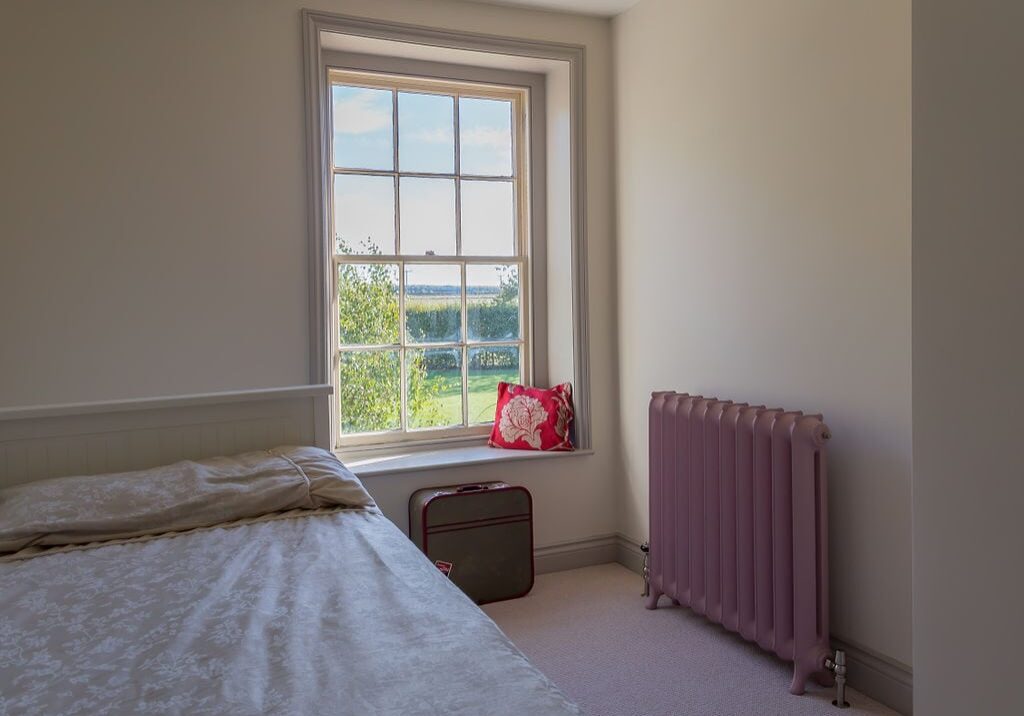
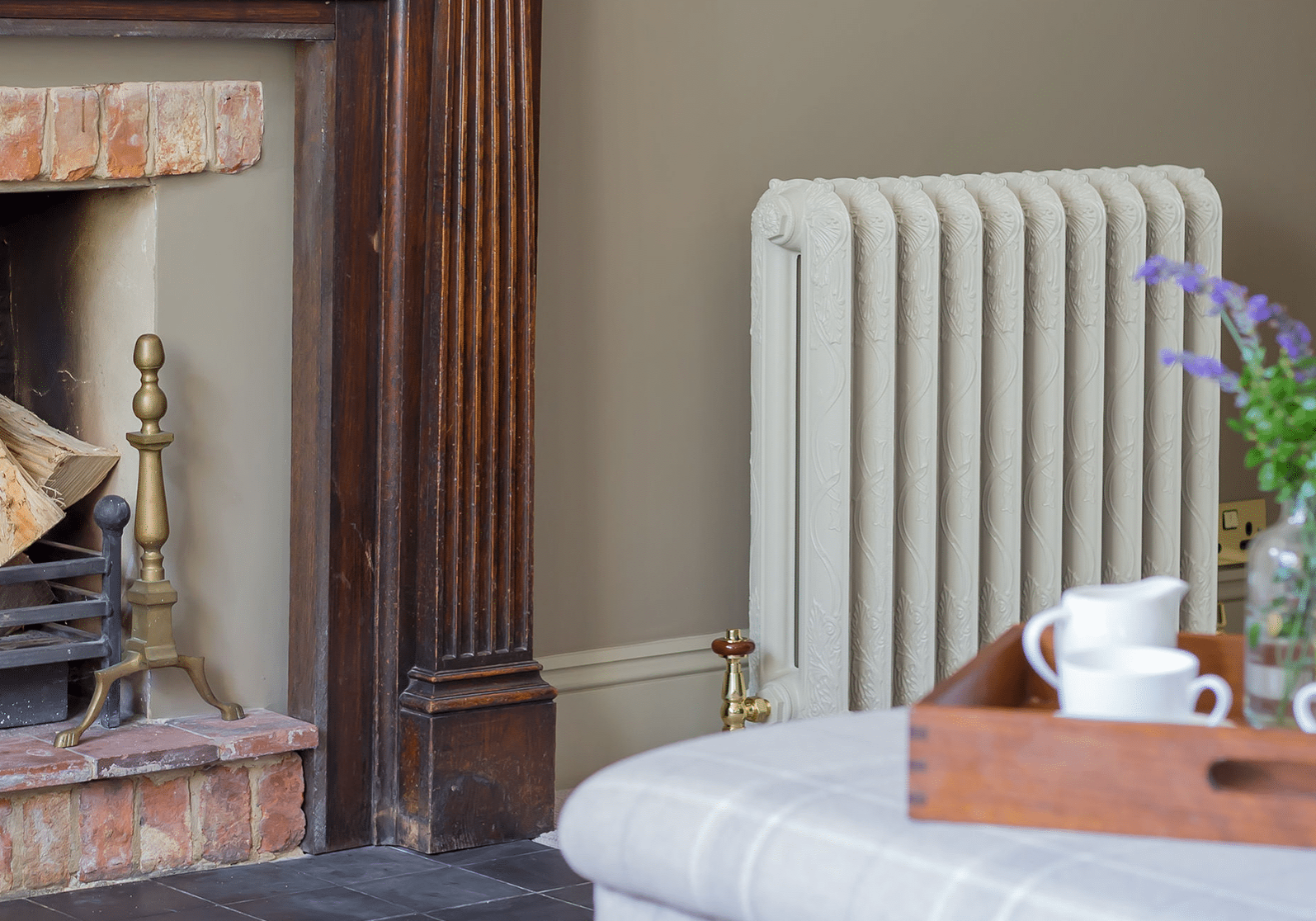
“I want to say thanks and how fantastic the radiators look along with the cast quality and the excellent painting and polishing finish. I now can’t wait to get them installed! Many thanks again for all your help and assistance.”
“Thank you for all your help, we will definitely recommend Paladin to anyone we know who is looking for cast iron radiators and will get in touch when we’re needing radiators for our ground floor.”