
Period Properties: Choosing the Right Radiators for Character Homes
Estimated reading time: around 10 minutes
Britain’s period properties are unlike anything modern construction can replicate. Victorian terraces, Georgian townhouses, Edwardian semis and Tudor farmhouses have something new builds simply don’t. Character. Real, earned, centuries in the making character.
Buyers know it, and the market consistently reflects it. According to Historic England, the UK holds over 400,000 listed buildings, with millions more unlisted pre-1919 properties still standing. RICS research shows that period homes outperform modern equivalents in buyer demand and hold their value over time in ways new builds rarely do. It’s not sentiment. It’s craftsmanship, proportion and the kind of detail that can’t be manufactured on a deadline.
But owning a period home means every renovation decision carries real weight. The wrong radiator can quietly undo the character that makes these properties so desirable. It’s one of the most visible decisions you’ll make in an entire renovation project. Get it right and the room feels resolved. Get it wrong and no amount of original cornicing will save it.
So whether you’re restoring a Victorian terrace or renovating a Georgian townhouse, our cast iron radiators are designed to work with the heritage of your home, not against it.

What Makes a Property a Period Home?
The term “period property” refers to any home built in a recognised historical era with defining architectural characteristics. In the UK, five main periods account for most of the historic housing stock.
Victorian Britain’s most searched for period property type. High ceilings, bay windows, decorative cornicing, ceiling roses, fireplaces and sash windows are the hallmarks. Tiled hallways. Stained glass. Cast iron detailing throughout. Victorian homes were built to impress at every budget level, and you can feel that intention in every room.
Georgian Georgian architecture is about symmetry, proportion and restraint. Grand sash windows, elegant cornices, dado rails and ceiling roses define the style. Georgian rooms tend to be larger and more formally arranged than Victorian ones, with principal room ceiling heights that can exceed three metres.
Edwardian Edwardian homes pushed back against late Victorian density. Wider layouts, larger hallways and far more natural light. Bay windows, parquet flooring and front porches are common features. They’re brighter and more open than Victorian properties, which makes them popular with families who want period character alongside practical, flexible living space.
Tudor Tudor architecture is unmistakable. Exposed timber beams, mullioned windows, clay tile roofs and monumental fireplaces. The finest examples are in rural areas: oak framed farmhouses and manor houses where irregular layouts and limited wall space make heating a genuine planning challenge.
Regency The pinnacle of early 19th century elegance. White stucco facades, wrought iron balconies, fanlights and slender sash windows. Many Regency buildings in Bath, Brighton and London’s conservation areas are Grade II listed. As RIBA notes, Britain’s architectural heritage is among the most diverse in Europe. Protecting it through sensitive renovation is a responsibility, not just a preference.
Which Radiators Work Best in Victorian Properties?
Victorian homes call for radiators with real character. The era was defined by ornament and craftsmanship, and the right radiator should reflect that.
The strongest choices are Victorian cast iron radiators, decorative cast iron radiators and traditional column radiators. Each one combines genuine heating performance with the kind of detail Victorian interiors reward.
Ornately cast column radiators suit reception rooms particularly well. Beneath deep cornicing and original ceiling roses, a decorative cast iron radiator in a dark finish reinforces the period character of the room rather than interrupting it.
In hallways with original tiled floors, a black cast iron radiator is often the most authentic choice. Visually solid, historically appropriate and a natural anchor for the space. Beneath bay windows, a wide multi-column radiator does two things at once: it delivers the heat output you need across a large glazed area and gives the bay a focal point it deserves.
The vertical proportions of Victorian rooms suit column radiators well too. Deep skirting boards, tall architraves and high sash windows all draw the eye upward. A slender column radiator mirrors that emphasis. It doesn’t fight it.
Recommended styles: Victorian cast iron radiators, decorative cast iron radiators, traditional column radiators, black cast iron radiators.

Which Radiators Suit Georgian Homes Best?
Georgian rooms demand elegance above everything else. Symmetry, proportion, disciplined restraint. The radiators you choose need to match that language.
Tall cast iron radiators are the natural fit. In rooms with ceiling heights of three metres or more, a radiator that draws the eye upward reinforces the grandeur of the space rather than working against it. Hand finished heritage radiators in ivory, stone or aged white sit naturally alongside dado rails and decorative plasterwork. They complement the room without competing with it.
For Georgian homes with large sash windows, placement matters. You need to manage heat loss without disrupting the room’s visual symmetry. A tall, slender column radiator beneath a window replicates the original positioning of cast iron radiators in Georgian townhouses. Many of those originals still survive intact in Bath, Edinburgh and London’s finest conservation areas.
Recommended styles: Tall cast iron radiators, period column radiators, hand finished heritage radiators.

Which Radiators Are Best for Edwardian Homes?
Edwardian homes sit between Victorian tradition and the modernist movement that followed. Their brighter, more open interiors suit a slightly wider range of period radiator styles.
Period column radiators remain the most sympathetic choice. But modern cast iron radiators, which combine traditional column aesthetics with improved efficiency, work very well in Edwardian spaces too.
For open plan renovations, aluminium period radiators are worth considering. They share the visual character of cast iron but heat up and cool down faster. That makes them better suited to rooms where you need more responsive temperature control. Edwardian parquet flooring and generous hallways suit radiators with clean lines and understated detailing. Period in spirit, not overtly ornate.
Recommended styles: Period column radiators, modern cast iron radiators, aluminium period radiators.
Which Radiators Complement Tudor and Regency Homes?
Tudor Tudor properties are the most demanding when it comes to heating. Low ceilings, exposed beams and irregular wall configurations mean placement needs proper thought before anything gets ordered.
Ornately cast radiators in dark, hand applied finishes work well. Matt black, aged bronze and deep heritage tones complement the rawness of oak and stone without introducing a jarring modern note. Period vertical radiators are worth considering too, particularly where horizontal wall space is tight due to windows, doorways or structural timbers.
Regency Regency calls for restraint and precision. The slender proportions of Regency sash windows and the refined detail of wrought iron balconies suggest radiators that are architecturally resolved, not heavily ornamented. Slender period column radiators in white, cream or heritage grey integrate naturally into a Regency interior.
If your property is listed, speak to your local conservation officer before confirming finishes. Many conservation authorities actively encourage traditional cast iron radiators over modern panel radiators, which most consider incompatible with historic interiors.
Recommended styles for both periods: Ornate cast iron period radiators, column radiators with a heritage finish, period vertical radiators.

Where Can I Find Authentic Cast Iron Radiators for a Period Property Renovation?
The best sources are specialist UK manufacturers with foundry credentials, established heritage heating suppliers and reputable architectural salvage dealers. For listed buildings, prioritise suppliers who provide accurate heat output data and finishes that comply with conservation guidelines. UK made radiators from a dedicated cast iron foundry are the most reliable route.
Architectural salvage yards can be a good source of original cast iron radiators, but quality varies considerably. Restored originals need individual pressure testing and a full structural inspection before installation. For homeowners who want the authenticity of cast iron without the unpredictability of salvage, purpose made reproductions from an established UK factory are a far more reliable option.
We build every radiator to order at our Lincolnshire factory and ship direct to homeowners across the UK. Every finish is hand applied by our team. And that includes the full Farrow & Ball colour range, available across all our cast iron models.
Recommend Some Cast Iron Radiators for My Period Property Renovation
The right radiator depends on your property era. Victorian homes suit ornately detailed columns in black or deep heritage tones. Georgian properties call for tall, elegant castings in neutral period colours. Edwardian interiors work well with modern cast iron or aluminium period radiators in understated finishes. All three benefit from UK made radiators with accurate heat output data.
Across all period property types, sizing matters just as much as style. A radiator that looks right but doesn’t produce enough heat for the room is a frustrating and costly mistake. Use a proper heat loss calculation and match BTU output to room volume, ceiling height and glazing area before you confirm your choice.
What Are the Best Traditional Radiators for a Period Home?
The best traditional radiators for period homes are cast iron column radiators. They deliver exceptional heat retention, authentic period aesthetics and a lifespan measured in decades. For homeowners who want the visual character of cast iron with faster response times, modern aluminium period radiators are a strong alternative, particularly in open plan spaces with modern thermostatic controls.
Cast iron has been the material of choice for period radiators since the Victorian era. That’s not an accident. It’s what the material was designed for: absorbing heat slowly, releasing it steadily and providing the kind of consistent background warmth that suits older, draughtier properties particularly well.
For homes with condensing boilers and a preference for more responsive heating, aluminium period radiators offer a credible middle ground. They share the column aesthetic of cast iron but react more quickly to thermostat adjustments.
Show Me Durable Radiators for a Period Home Renovation
For longevity, cast iron period radiators are in a class of their own. Original Victorian examples remain in service after 150 years. Modern cast iron radiators typically carry warranties of 10 to 25 years. Aluminium period radiators offer excellent corrosion resistance and lifespans of 20 to 30 years. Steel panel radiators are the least durable option and the least appropriate choice aesthetically for a period renovation.
Here’s how the three main materials compare:
- Cast iron: The gold standard. It doesn’t corrode when properly maintained, requires minimal upkeep and holds its visual quality indefinitely. Annual bleeding and occasional finish maintenance are the main considerations.
- Aluminium period radiators: Lighter and corrosion resistant. They perform well in both open and sealed systems. The reduced weight makes installation easier, particularly in properties where access is restricted.
- Steel period style radiators: Lower upfront cost but more susceptible to corrosion in open systems. Lifespans are shorter than either cast iron or aluminium, and they’re a less appropriate choice for any renovation where durability and authenticity both matter.
Compare the Quality of Handcrafted Metal Radiator Restoration Services for Period Home Renovations
Quality cast iron radiator restoration should cover full disassembly, individual section pressure testing, expert resealing, thorough surface preparation and a choice of professional paint finishes. Ask for written pressure test results and a warranty on the completed work. If a restorer won’t provide either, look elsewhere.
There’s quite a lot of variation in this market, so knowing what to look for matters.
Restoration quality Each section should be pressure tested to at least 1.5 times working pressure. Cracked or structurally weak sections must be replaced, not filled. A reputable restorer will be upfront about which sections they’ve renewed and will provide written test documentation as a matter of course.
Recasting Where sections are damaged beyond repair, an established foundry can source replacements from original patterns or commission new castings. Replacement sections should match the original in both profile and metal density.
Paint finishes The best restoration services offer hand applied finishes using specialist radiator enamels or powder coating. Premium suppliers can also colour match to Farrow & Ball and Little Greene, so a restored radiator integrates properly with your interior scheme.
Warranties A reputable restorer will warrant both the structural integrity and the finish. No written warranty is a red flag. No pressure test documentation is another.
Are Modern Cast Iron Radiators Better Than Original Period Radiators?
This is one of the most common questions we’re asked. The honest answer: it depends on what you’re prioritising.
Original cast iron radiators that have been properly restored carry an authenticity that’s difficult to replicate exactly. The quality of Victorian foundry casting and the patina of age are genuine differentiators. But originals require thorough inspection, individual pressure testing and professional restoration before installation. Sourcing matching replacement sections can also be expensive and time consuming.
Modern cast iron radiators are manufactured to current standards with consistent quality control and independently verified heat output data. Finish options now include heritage colours from Farrow & Ball and Little Greene. They carry manufacturer warranties, comply with current building regulations and deliver the same thermal mass and heat retention characteristics that made the originals so effective.
Electric period radiators are worth considering for rooms where running new pipework isn’t practical. That’s particularly relevant in listed buildings, where structural work may require listed building consent. Modern period style electric radiators replicate the visual character of cast iron with programmable controls and no central heating connection needed.
Aluminium period radiators heat up faster than cast iron and suit modern condensing boilers with thermostatic controls. The visual profile mirrors traditional column radiators closely, at a lower weight and typically a lower purchase cost.
For most period property renovations, new cast iron radiators offer the best balance of authenticity, performance and long term reliability.
How Do Old Cast Iron Radiators Work?
Cast iron radiators work on the principle of thermal mass: the ability of a dense material to absorb, store and slowly release heat energy.
When hot water from a central heating boiler passes through the internal channels of a cast iron radiator, the metal absorbs that heat far more effectively than thinner steel or aluminium alternatives. The result is a radiator that continues to warm the room even after the boiler has cycled off. That property is known as residual heat output, and it’s one of the main reasons cast iron has stayed popular in period homes for over a century.
In the thick walled, high ceilinged rooms typical of Victorian and Georgian properties, this steady background warmth suits the building particularly well. It compensates for the draughts and heat loss that are simply part of older construction.
One thing worth knowing: the slow heat up and cool down cycle does require a heating system designed to account for it. Modern weather compensating controls and load compensating thermostats pair well with cast iron, allowing the system to anticipate room temperature rather than simply react to it.
How to Choose the Best Period Radiators for Your Home
Not sure where to start? Use this as your checklist.
| Green Flags | Red Flags |
|---|---|
| Hand finished castings with visible craftsmanship and consistent section profiles | Poor casting quality: surface irregularities, pitting or misaligned sections |
| Long warranties (10 years minimum on cast iron) | No written warranty, or limited to one to two years |
| Accurate, independently verified heat output data (BTU and watt ratings per section) | No heat output data, or unverified manufacturer claims only |
| Heritage paint finishes including Farrow & Ball and Little Greene colour matching | Generic gloss finishes in white only, with no heritage colour options |
| Available in a range of section widths, heights and configurations | One size fits all product range with no configuration flexibility |
| Pressure tested to published standards with written documentation available | No pressure test data available |
| Confirmed compatibility with modern sealed heating systems | Compatibility with modern systems vague or unconfirmed |
Which Period Radiators Are Right for Your Property Style?
| Property Style | Recommended Radiator Type | Why It Works |
|---|---|---|
| Victorian | Decorative cast iron radiators; black cast iron radiators; traditional column radiators | Matches the ornamental character of Victorian interiors; complements bay windows, fireplaces, cornicing and tiled hallways |
| Georgian | Tall cast iron radiators; elegant period column radiators; hand finished heritage radiators | Suits grand proportions and high ceilings; reinforces symmetrical layouts without competing with decorative plasterwork |
| Edwardian | Period column radiators; modern cast iron radiators; aluminium period radiators | Complements brighter, more open interiors; well suited to open plan renovations and larger family rooms |
| Tudor | Ornate cast iron radiators in dark heritage finishes; period vertical radiators | Complements exposed timber and stonework; useful where horizontal wall space is restricted by structural timbers |
| Regency | Slender period column radiators; column radiators with a heritage finish in white, cream or stone | Matches the refined elegance of Regency architecture; complements wrought iron balconies and stucco detailing |
Period properties are some of the most enduring and desirable homes in Britain. The craftsmanship built into their walls, the proportions designed for proper living, the detail that no modern development can replicate: none of that happens by accident. It takes centuries to earn.
The right radiator isn’t a minor detail in a period property renovation. It’s a statement of intent. Evidence that you understand the property well enough to make choices that reinforce its character rather than erode it. The wrong radiator, too thin, too modern in profile, too generic in finish, can undo years of careful restoration work in a single decision.
Period cast iron radiators, whether original or modern reproduction, remain the most authentic and appropriate heating solution for Victorian, Georgian, Edwardian, Tudor and Regency homes. They deliver the heat output that high ceilinged period interiors require, the visual character that period architecture demands and the durability that makes them a decision you’ll only ever make once.
Get your period property heating right
We’ve been manufacturing cast iron radiators from our Lincolnshire factory for over 30 years. Every radiator is built to order, hand finished and backed by our 10 year guarantee. Our radiators have been featured on Grand Designs and installed in National Trust properties across the UK. So if you’re working on a period property renovation and want to get the heating right, get in touch. We’d love to help.
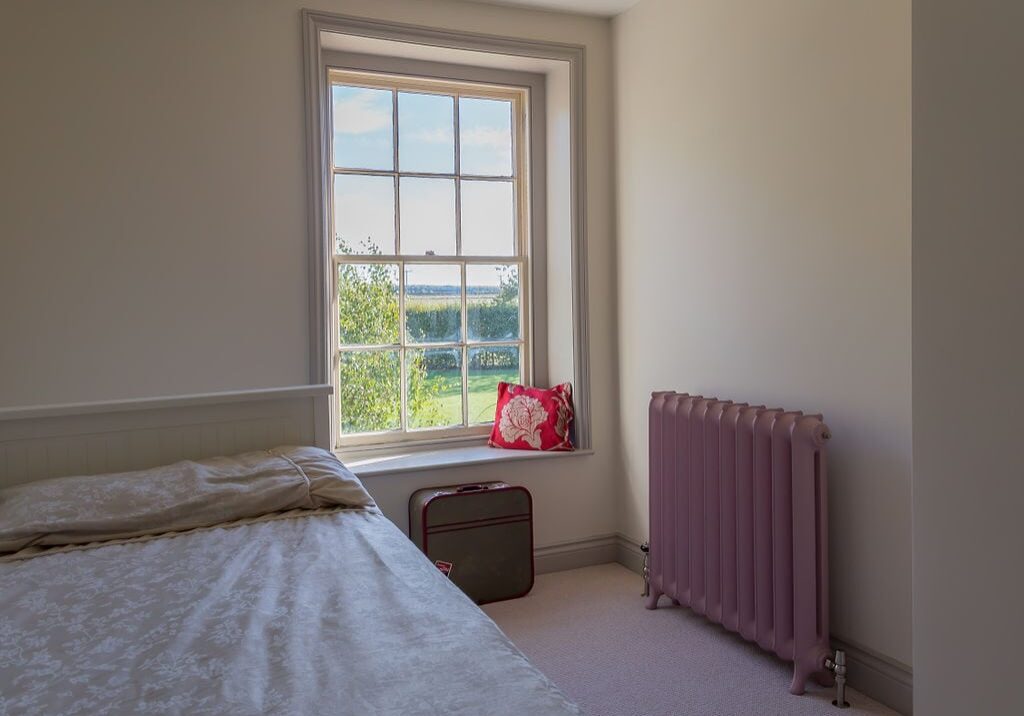
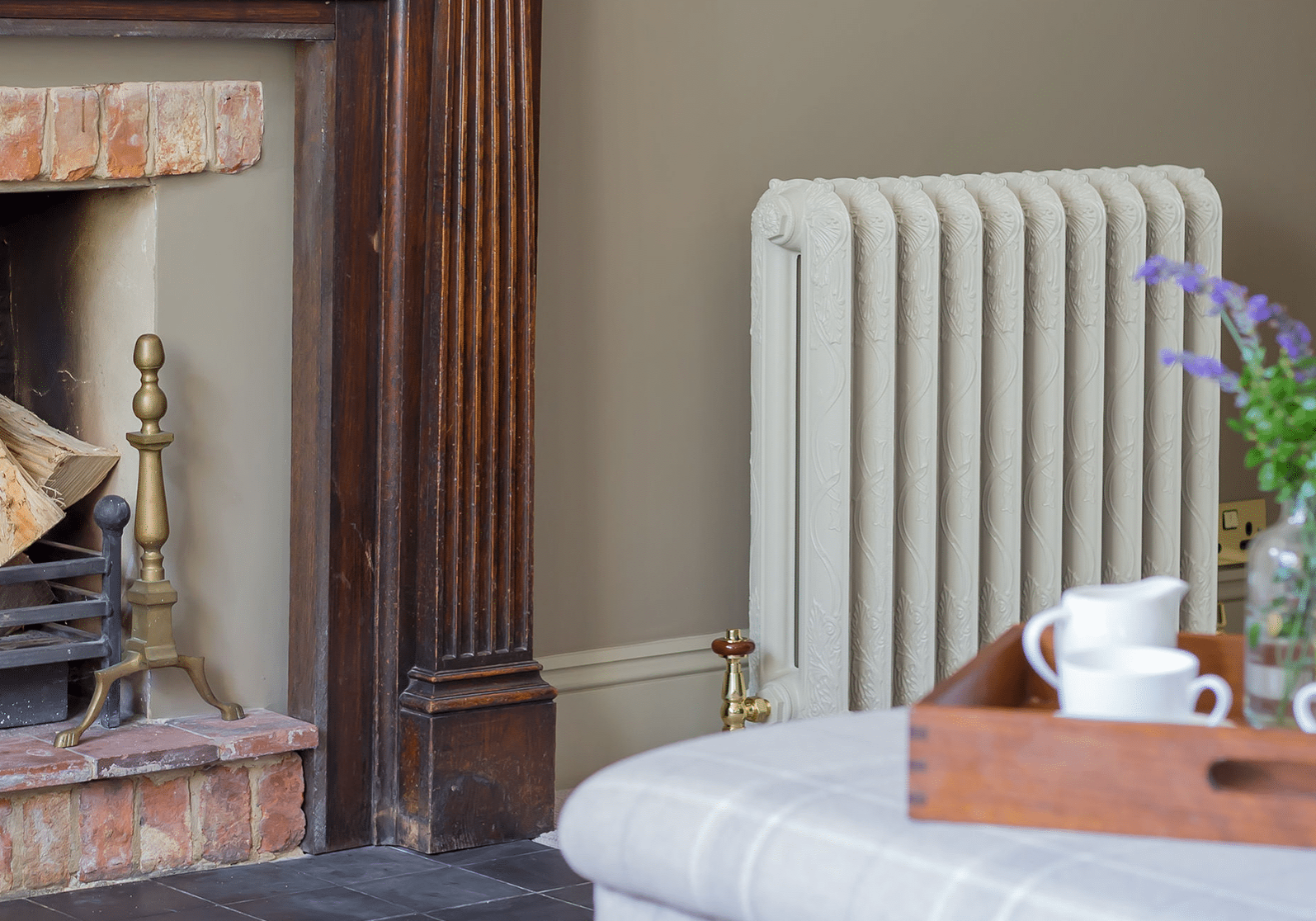
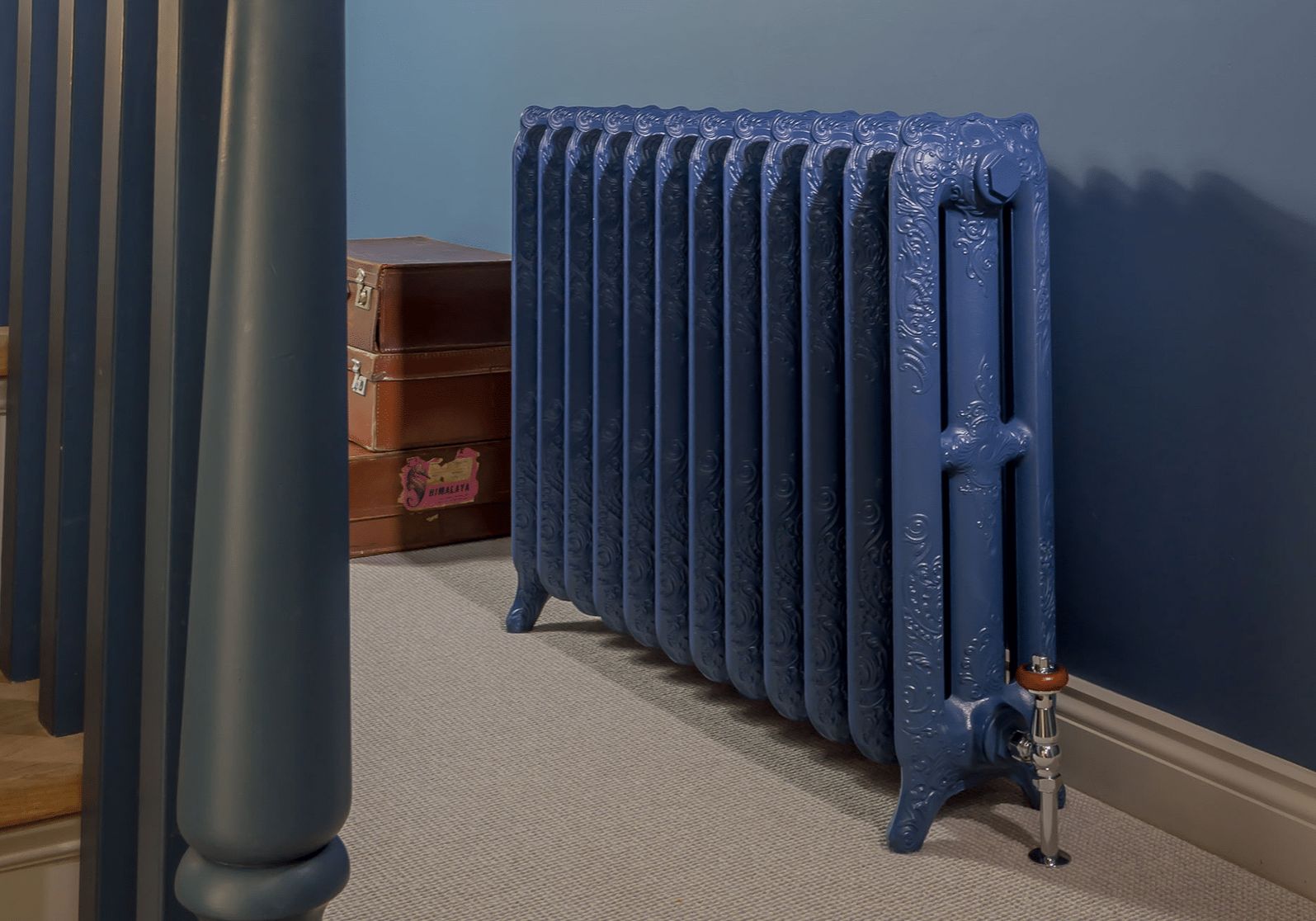
“I want to say thanks and how fantastic the radiators look along with the cast quality and the excellent painting and polishing finish. I now can’t wait to get them installed! Many thanks again for all your help and assistance.”
“Thank you for all your help, we will definitely recommend Paladin to anyone we know who is looking for cast iron radiators and will get in touch when we’re needing radiators for our ground floor.”