
Are Modern Radiators Worth It For Contemporary UK Homes?
Modern radiators are worth it. They give you the heat output your room needs and they suit spaces that look very different from homes of thirty years ago. From slim panel designs to ornate cast iron column radiators in bespoke colours, there’s a lot to choose from.
Estimated reading time: 6 minute read

Are Modern Radiators More Efficient Than Traditional Heating Systems?
Modern radiators aren’t automatically more efficient than older ones. It depends on the material, how the system is set up and how well the radiator is sized for the room.
Aluminium heats up fast and responds quickly to thermostat changes. Steel distributes warmth across a wide surface area and is a solid everyday option. Cast iron takes longer to reach temperature, but it holds heat after the boiler switches off. The radiator keeps the room warm without the boiler needing to fire again. In homes where steady background warmth matters, that’s a real advantage.
Add a thermostatic radiator valve (TRV) to any radiator and you get room by room control over your heating. It’s one of the simplest changes you can make to cut energy use across the house.
Which Modern Radiators Work Best for Living Rooms and Bedrooms?
The right radiator for a living room or bedroom is the one sized for the room’s actual heat requirement. Start with a BTU calculation.
Room size, ceiling height, window area and insulation all affect the output you need. Our individual heat calculators let you enter those details for each model and return a section count based on your room. Use them before you decide.
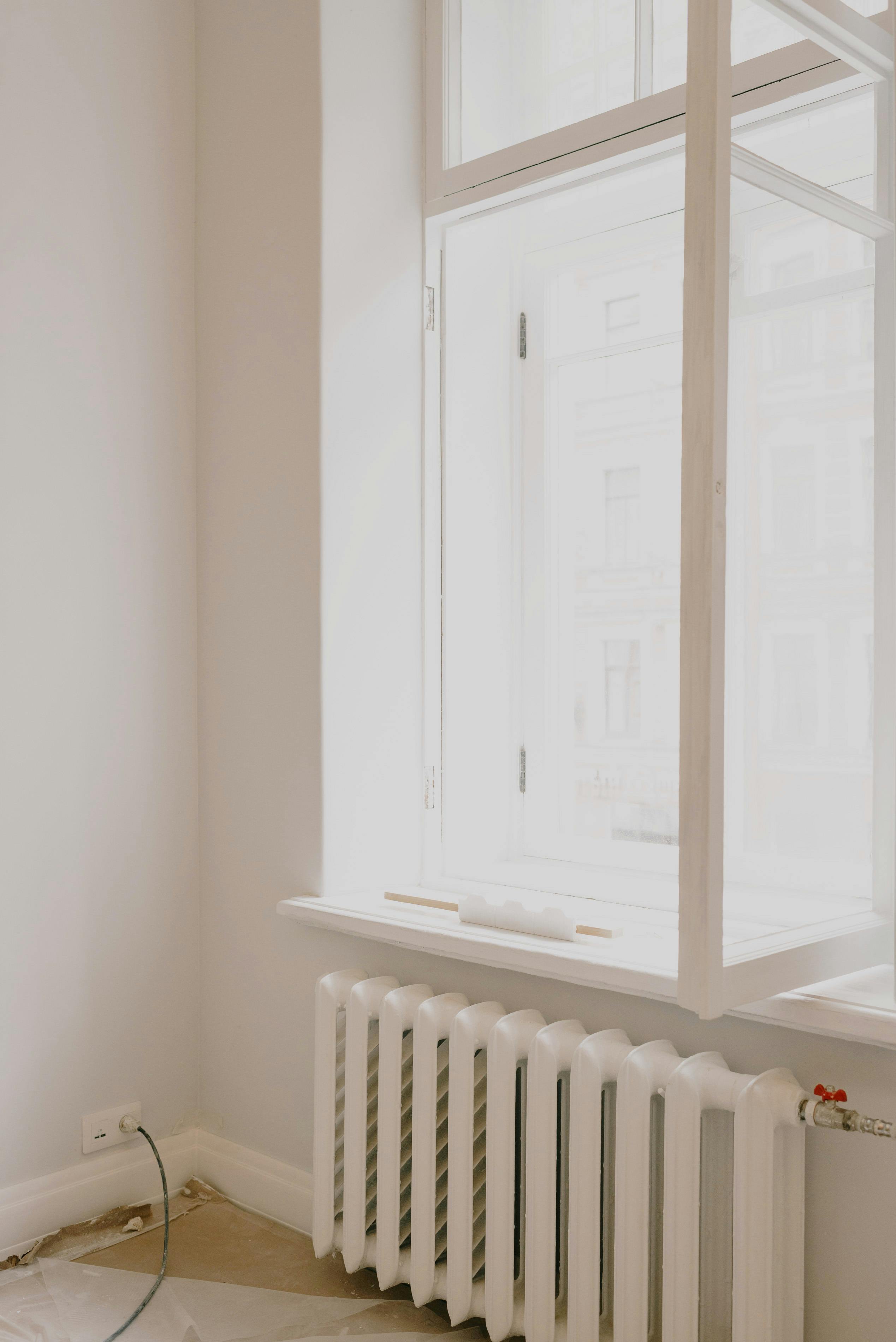
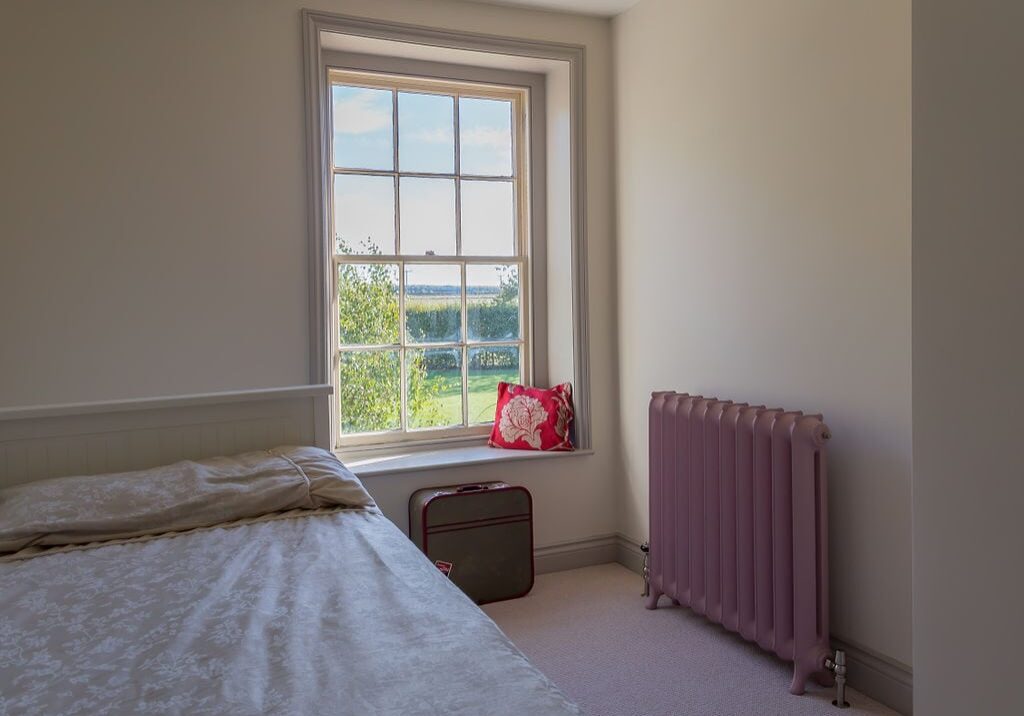
In a living room, a column radiator below a window puts heat exactly where cold air enters. It also makes use of wall space that’s difficult to do anything with. For a bedroom, a smaller section count keeps warmth contained without taking over the room. Both rooms suit a wide range of finishes: soft white, anthracite grey or a colour matched directly to your paint.
Are Vertical Modern Radiators Better for Smaller Spaces?
A vertical radiator is ideal when wall space is tight. Instead of spreading across a wall, it uses height. That frees up room for furniture and keeps the space from feeling crowded.
Hallways, landings and smaller bathrooms are the most common fit. A wide horizontal radiator in those spaces can feel out of proportion or get in the way. But you still need to check BTU output against the room’s heat requirement before you commit.
Keep the full height of the column clear of obstructions. Warm air needs to move freely from the surface to heat the room properly. In period properties, the Neo Georgian at 960mm is worth a look: it delivers strong output without taking up much width on the wall.

What Are the Best Modern Radiators Available in the UK?
The best modern radiator is the one that heats your room properly, fits your system and looks the part. Beyond that, it comes down to material.
Aluminium heats fastest. Steel covers a larger surface area and is usually the best value for everyday use. Cast iron takes longer to warm up but holds heat long after the boiler has finished. And for rooms where the radiator itself needs to say something, cast iron has a texture and detail that steel and aluminium can’t match.
Our range is available in standard metals colours and through bespoke paint services using Farrow & Ball and Little Greene. Matt black, anthracite, cream and white are popular, alongside burnished and polished metallic finishes.
Should You Choose Electric Modern Radiators or Hot Water Systems?
Electric radiators are the right choice when connecting to a central heating system isn’t practical. A room extension, a listed building where pipe runs would cause damage, or a space you only use occasionally: those are exactly the situations electric heating is designed for.
Most modern electric radiators include programmable timers and digital temperature controls. Heat the room when you need it and leave it off when you don’t.
Hot water systems connected to a combi boiler or heat pump are generally the more economical option for rooms in daily use. Gas and renewable energy sources cost less per unit of heat than direct electricity. But electric is often the only option that works in the space.
We offer electric cast iron versions of most models in our range. You don’t have to sacrifice the look to get the convenience. Our valves and accessories work with both connection types.
Do Modern Cast Iron Radiators Combine Style and Efficiency?
Cast iron radiators are one of those rare heating products that heat well and look good doing it. Those two things don’t always go together.
Cast iron holds heat and releases it slowly. The boiler switches off and the radiator keeps working. In a home where you want consistent warmth rather than bursts of heat, that matters.
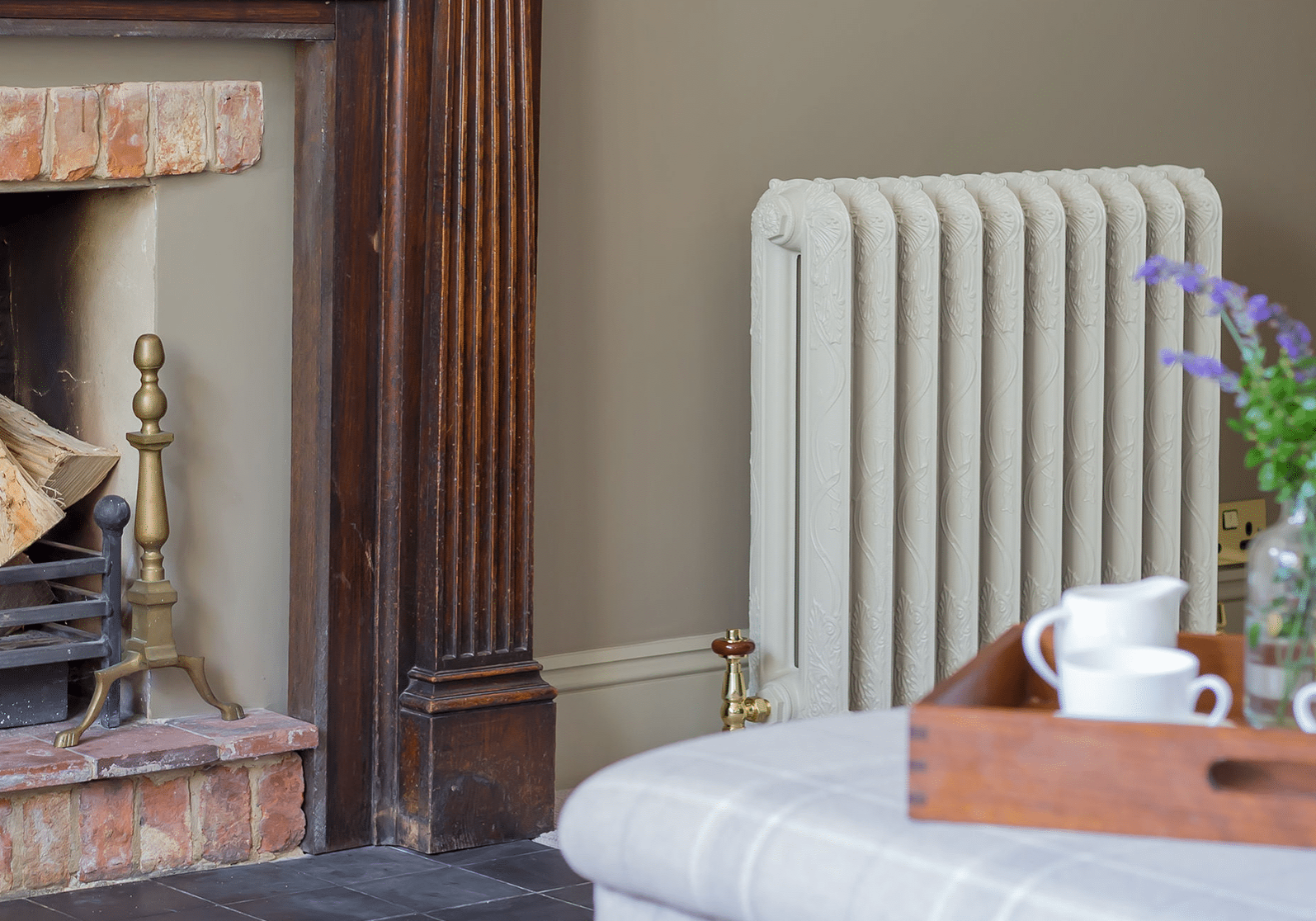
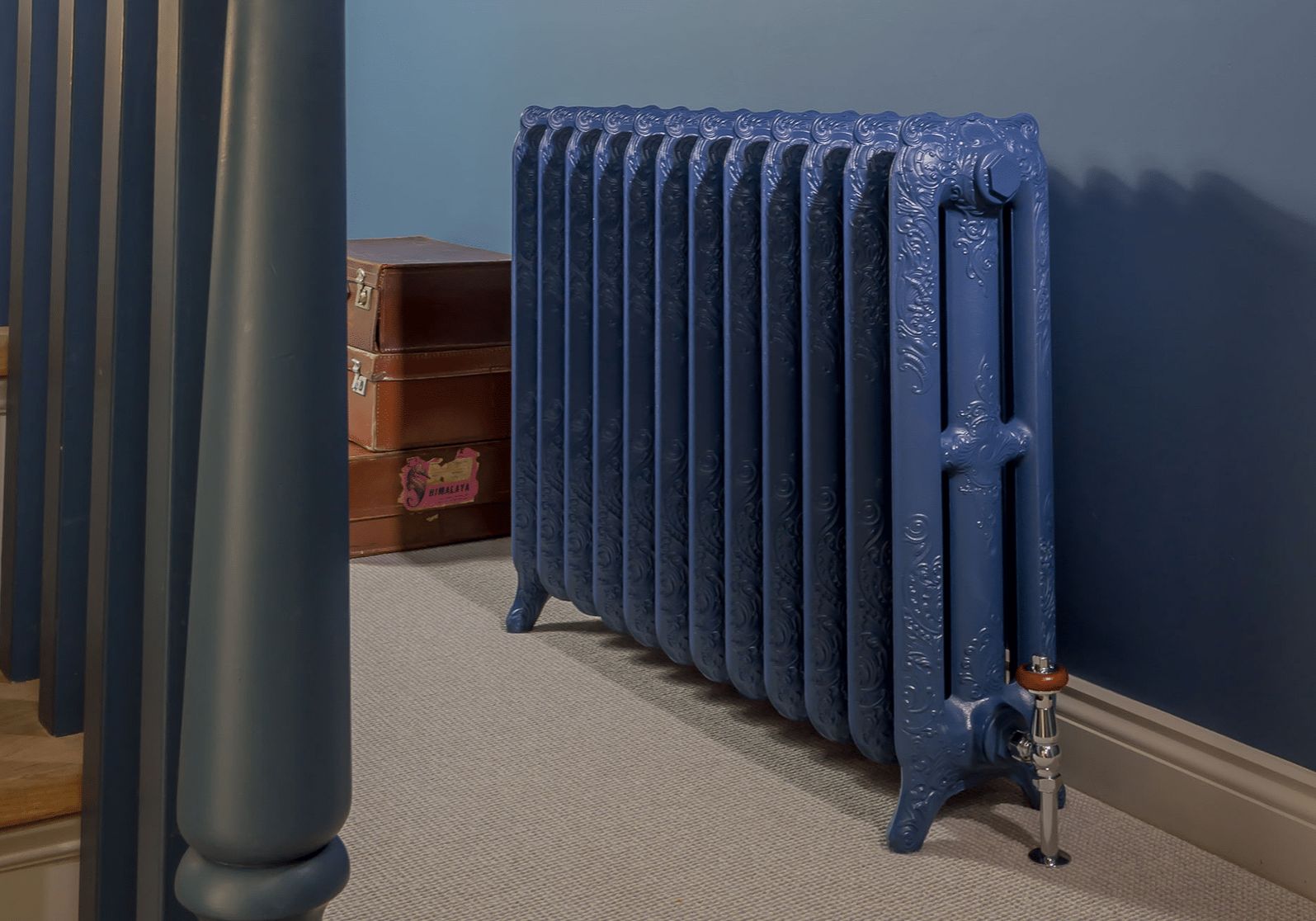
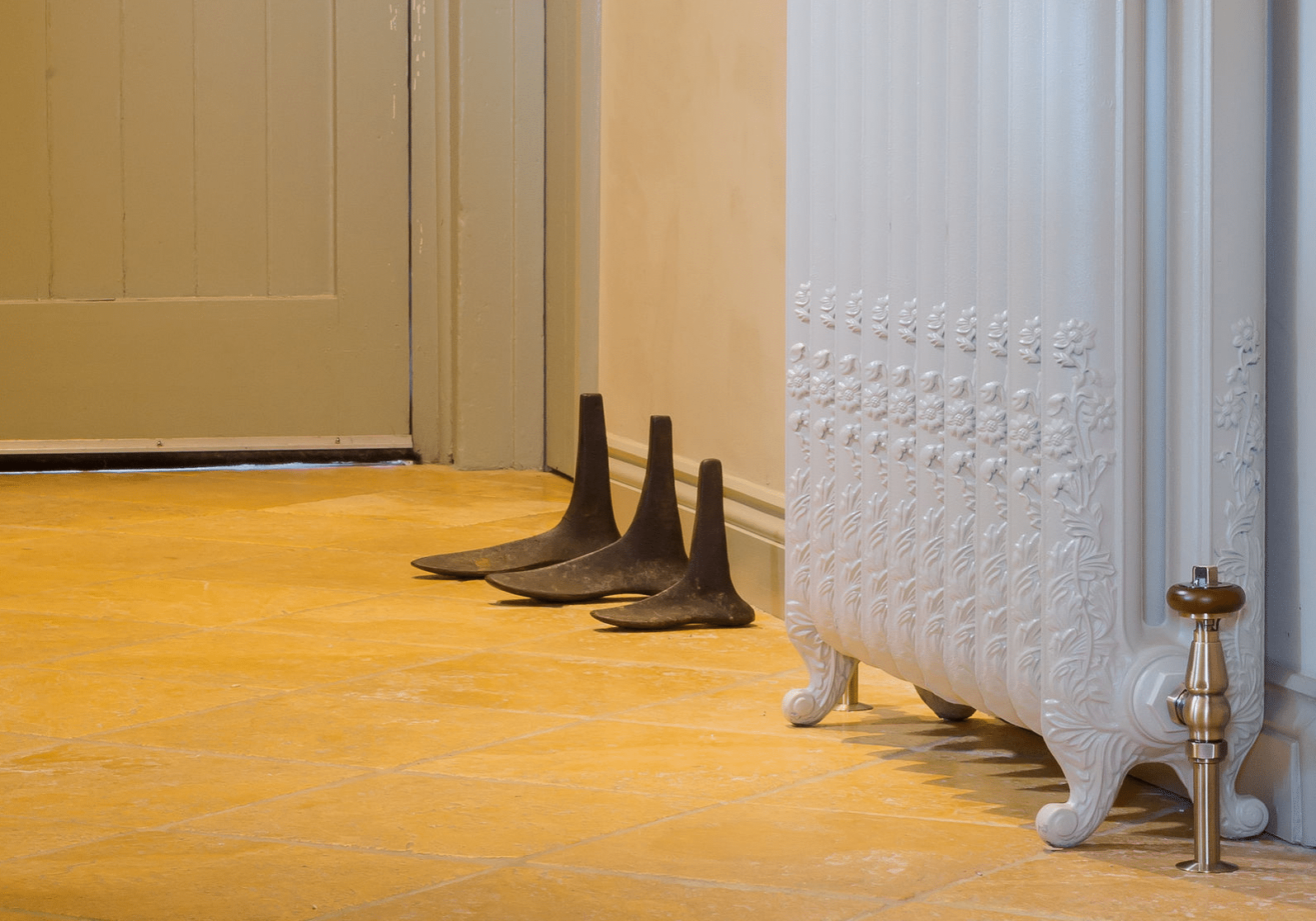
It also takes a finish that steel and aluminium can’t. Hand polished, burnished, painted in a Farrow & Ball or Little Greene colour, or given a highlight effect to bring out the detail of each section. The surface becomes part of the room.
Models like the Kensington, the Oxford and the Neo Georgian reward that treatment. Add a heritage valve set in antique brass or black nickel and you’ve got something worth looking at.


How Do You Maintain and Bleed Modern Radiators Properly?
Bleeding your radiator is one of the simplest jobs you can do and it makes a real difference to how well your heating runs. Air gets trapped inside the sections over time and stops hot water circulating properly. The result is a radiator that’s warm at the bottom and cold at the top.
It’s a quick fix. Here’s how:
- Switch your heating on first to pressurise the system.
- Use a bleed key or flathead screwdriver to open the bleed valve at the top corner of the radiator.
- You’ll hear air escaping. Close the valve as soon as water appears.
- Check your boiler pressure afterwards. Releasing trapped air can cause a small pressure drop.
For cast iron radiators with multiple sections, the process is exactly the same. Keep a cloth to hand: a small amount of water will follow the air out.

Find Your Modern Radiator with Paladin
Whether you’re replacing a single radiator or specifying heating across a full renovation, we’re here to help. Get in touch and one of our specialists will talk you through the options.
“I want to say thanks and how fantastic the radiators look along with the cast quality and the excellent painting and polishing finish. I now can’t wait to get them installed! Many thanks again for all your help and assistance.”
“Thank you for all your help, we will definitely recommend Paladin to anyone we know who is looking for cast iron radiators and will get in touch when we’re needing radiators for our ground floor.”