
A Guide To Our Cast Iron Radiators
Choosing the right radiator isn’t just about keeping your home warm. It’s about finding a piece that enhances your space, complements your interior and performs reliably for decades. Cast iron radiators have experienced a resurgence in recent years, and for good reason.
They combine timeless aesthetics with superior heat retention, making them ideal for both period restorations and contemporary homes. This guide walks you through everything you need to know about selecting the perfect cast iron radiator from our collection.
What Makes Cast Iron Radiators Such a Popular Choice for 2026 Homes?
Cast iron radiators have become increasingly sought after as homeowners move away from generic panel radiators toward statement heating solutions that add character and value. The appeal lies in their unique combination of function and design. Unlike modern alternatives that prioritise minimalism, cast iron radiators make bold architectural statements and deliver exceptional thermal performance.
The material itself offers unmatched heat retention. Cast iron absorbs heat slowly then radiates it long after your heating system switches off, creating consistent warmth without constant energy input. This thermal mass makes them particularly efficient in well-insulated modern properties and period homes with solid walls.
There’s also a growing appreciation for products with genuine heritage and craftsmanship. We hand-assemble and finish our radiators at our Lincolnshire site, Britain’s only dedicated cast iron radiator factory. Each piece receives individual attention, from casting through to final polishing or painting. In an age of mass production, owning something genuinely handcrafted holds considerable appeal.

How Do Our Cast Iron Radiators Compare to Modern Steel or Aluminium Models?
The difference between cast iron and modern materials comes down to performance characteristics, lifespan and aesthetic qualities.
Heat Retention: Cast iron’s thermal mass means it stays warm considerably longer after your boiler cycles off. Steel and aluminium heat quickly but cool just as fast, creating temperature fluctuations throughout the day. Cast iron provides steadier, more comfortable warmth.
Efficiency: Steel radiators respond faster to thermostat changes, but cast iron’s ability to radiate stored heat means lower overall energy consumption in many installations. The key is matching the radiator to your heating pattern. If you heat your home continuously, cast iron excels.
Weight: Cast iron radiators are substantially heavier than modern alternatives. A large Victorian-style radiator can weigh 100kg or more when filled. This requires proper wall fixings and occasionally reinforced floors in older properties, but the solidity contributes to their premium feel and longevity.
Lifespan: Steel radiators last 15 to 20 years before developing leaks or corrosion. Cast iron radiators routinely survive a century or more with basic maintenance. Our radiators carry a 10-year guarantee, but many will outlast several heating systems.
Aesthetic Considerations: Modern radiators aim for discretion. They’re designed to blend into walls. Cast iron radiators do the opposite. They’re focal points, conversation pieces and design anchors. Whether you choose ornate Victorian detailing or clean column designs, you’re making a deliberate style statement.
What Should You Consider Before Choosing a Cast Iron Radiator?
Several factors determine which radiator suits your space best.
Room size affects heat requirements directly. A 4x4m bedroom needs roughly 3,000 BTUs, and a 6x5m living room might need 6,000 BTUs or more. Our heat calculator accounts for ceiling height, window sizes, insulation levels and room usage.
BTU requirements depend on more than square footage. North-facing rooms, properties with single glazing, solid stone walls and high ceilings all increase heat demand. Period properties need 60 to 80 BTUs per cubic metre, and modern well-insulated homes might only need 40 to 50.
Style matters both aesthetically and in practical terms. Ornate Victorian designs like the Kensington suit period properties but can overwhelm minimalist interiors. Clean column designs like the Neo Georgian work in virtually any setting.
Height and depth affect placement options. Standard radiators fit under windowsills, but low-level designs like the Clarendon work brilliantly beneath bay windows or in rooms with limited wall space. Depth matters in hallways and tight spaces.
Pipework configuration influences which radiator you can install. Most of our radiators accommodate bottom, side or top connections, but confirming compatibility with existing pipework before ordering saves complications.
Finish and colour transform the same radiator into entirely different design statements. Raw cast iron suits industrial schemes, polished brass creates luxury period elegance, and Farrow & Ball colours allow perfect coordination with wall tones.
The Antiqued Paint Effect
Why not enhance the delightful raised features of your ornate cast iron radiators
What Defines Each Radiator in the Paladin Range?
Each model in our collection has distinct characteristics, heritage influences and ideal applications.
Bartholomew
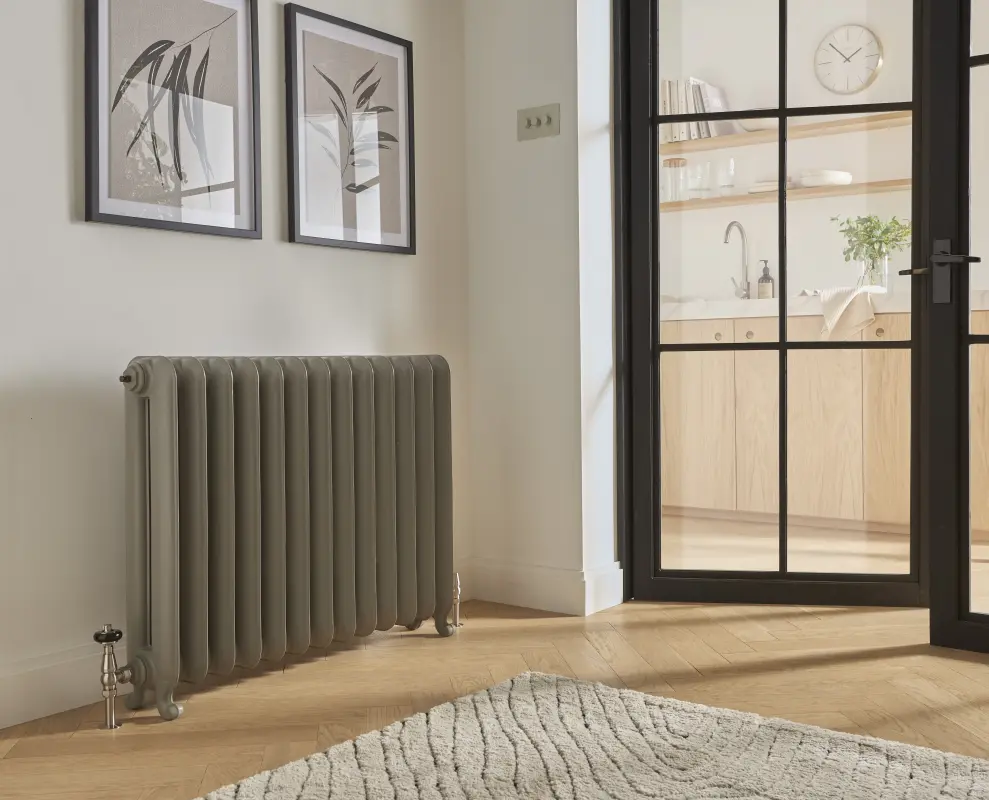
The Bartholomew brings bold Victorian presence with deeply sculpted columns and pronounced detailing. It’s our most ornate two-column design, featuring decorative tops and substantial visual weight. Available in heights from 570mm to 740mm with sections as wide as 80mm, it delivers serious heat output alongside serious style.
Best For
Traditional drawing rooms, entrance halls and spaces where the radiator should command attention. Works beautifully in Victorian terraces, Edwardian villas and Georgian townhouses.

Churchill
Named appropriately, the Churchill exudes solid, dependable British character. This seven-column design balances decorative detail with clean lines, making it surprisingly versatile. The additional columns increase heat output and maintain manageable depth. Available in 350mm height.
Best For
Living rooms needing substantial heat, period properties seeking authenticity without excessive ornamentation, and spaces where durability matters as much as design.

Clarendon
The Clarendon sits lower than most designs, making it perfect for installations beneath bay windows or in rooms with limited wall height. Despite its compact profile, decorative detailing remains sharp and elegant. Available from 440mm to 740mm high.
Best For
Bay window spaces, Juliet balconies, rooms with low windowsills, children’s bedrooms where height matters for safety, and period cottages with lower ceiling heights.

Gatsby
The Gatsby captures Art Deco elegance with geometric precision and refined detailing. It’s our nod to 1920s sophistication: clean-lined yet decorative, modern yet rooted in historical design. This two-column radiator delivers excellent heat output without overwhelming smaller spaces.
Best For
Art Deco properties, 1930s semis, boutique hotel projects and contemporary homes wanting subtle vintage character. Works brilliantly in home offices and bedrooms.
Kensington
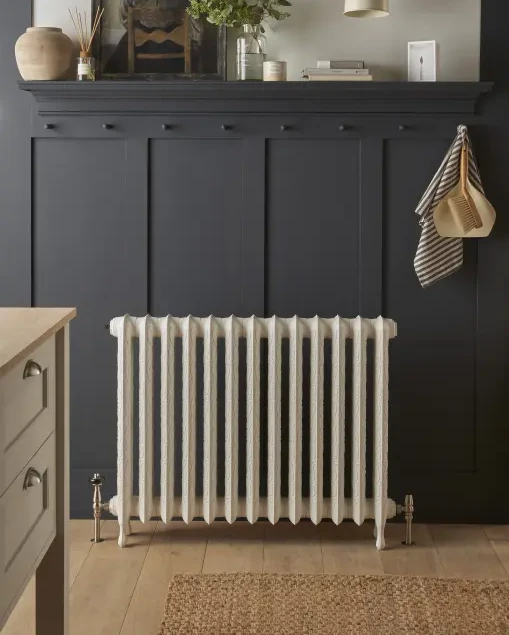
Our Kensington represents peak Victorian ornamentation. Intricate scrollwork, ornate tops and deeply detailed casting make it a genuine showpiece. The two-column design provides substantial heat and maintains the elaborate decoration synonymous with high Victorian taste. Heights range from 580mm to 780mm.
Best For
Period restorations demanding authenticity, feature walls in traditional homes, heritage projects and spaces where decorative impact matters as much as warmth.

Louis
The Louis brings French Empire elegance to British radiator design. Refined detailing and graceful proportions create sophisticated presence without Victorian heaviness. This two-column design suits properties seeking Continental refinement.
Best For
Georgian properties, Regency homes, dining rooms, master bedrooms and spaces with elegant, lighter decorative schemes.
Montpellier
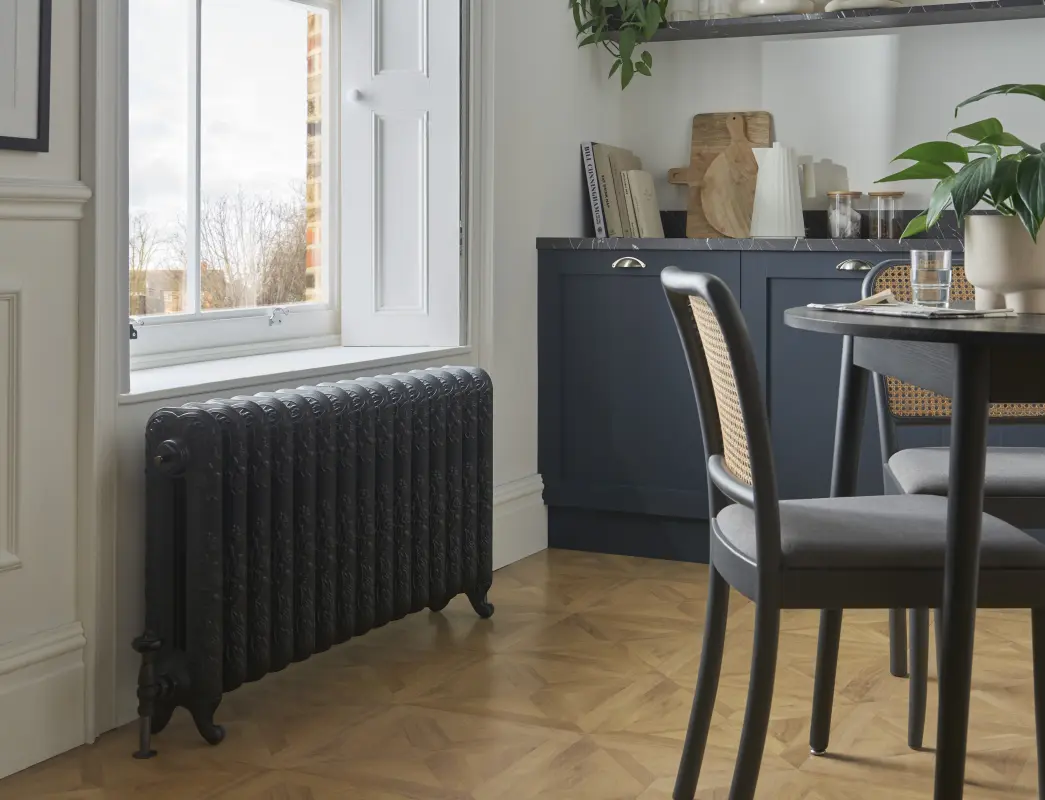
The Montpellier offers classical proportions with restrained detailing. It’s our most architecturally pure design, inspired by Georgian balance and proportion rather than Victorian exuberance. The two-column format provides excellent heat distribution.
Best For
Georgian townhouses, Regency squares, formal reception rooms, professional offices in period buildings and spaces where architectural restraint matters.

Neo Georgian
Our Neo Georgian range provides the ultimate in versatility. Available in 4 or 6-column configurations and heights from 360mm to 960mm, it adapts to virtually any space and heat requirement. The clean column design suits both traditional and contemporary interiors.
Best For
Modern homes, mixed-period properties, barn conversions, apartments, commercial projects and anywhere requiring flexible, timeless design. The 6-column version excels in large spaces needing serious BTU output.
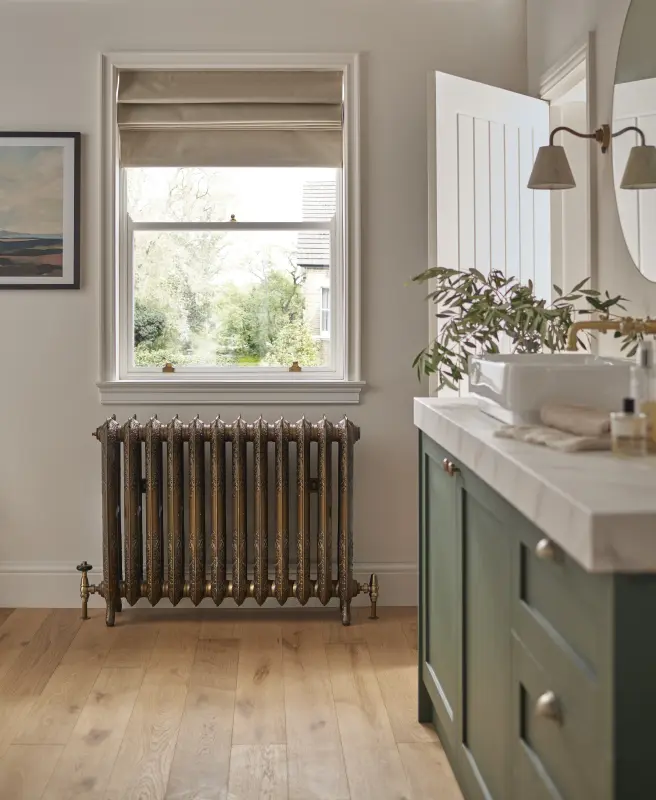
Oxford
The Oxford balances ornate Victorian heritage with practical proportions. Decorative tops and intricate detailing create visual interest, and the three-column design delivers robust heat output. Available from 470mm to 765mm high, it works in spaces needing both warmth and presence.
Best For
Victorian properties, Edwardian homes, living rooms, hallways and restoration projects where authenticity combined with performance matters.

Piccadilly
The Piccadilly stands as one of our most decorative options, featuring ornate bush ends as standard. The elaborate detailing and classical proportions make it instantly recognisable as premium Victorian design. Two-column configuration provides excellent heat distribution.
Best For
Grand reception rooms, statement installations, heritage properties, boutique hotel projects and spaces where the radiator should be a central design feature.
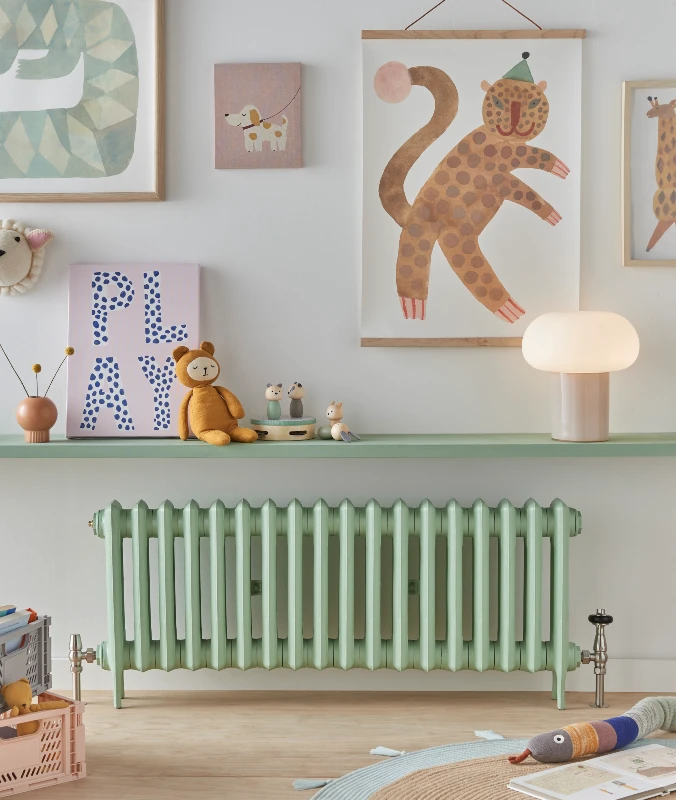
Pimlico
The Pimlico offers refined Victorian design without excessive ornamentation. It sits comfortably between plain column radiators and decorative models, making it remarkably versatile. The two-column design suits smaller spaces and maintains decorative interest.
Best For
Smaller reception rooms, bedrooms, studies, Victorian terraces, period cottages and properties wanting character without overwhelming scale.
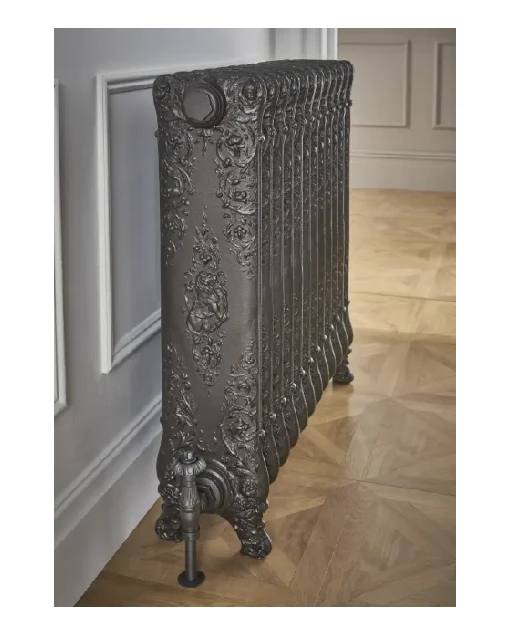
Saint Paul
The Saint Paul brings architectural grandeur with its substantial presence and bold detailing. This four-column design delivers exceptional heat output alongside statement-making aesthetics. Available in a height of 800mm.
Best For
Large reception rooms, entrance halls, commercial spaces, churches, converted industrial buildings and anywhere requiring both serious heat and architectural impact.
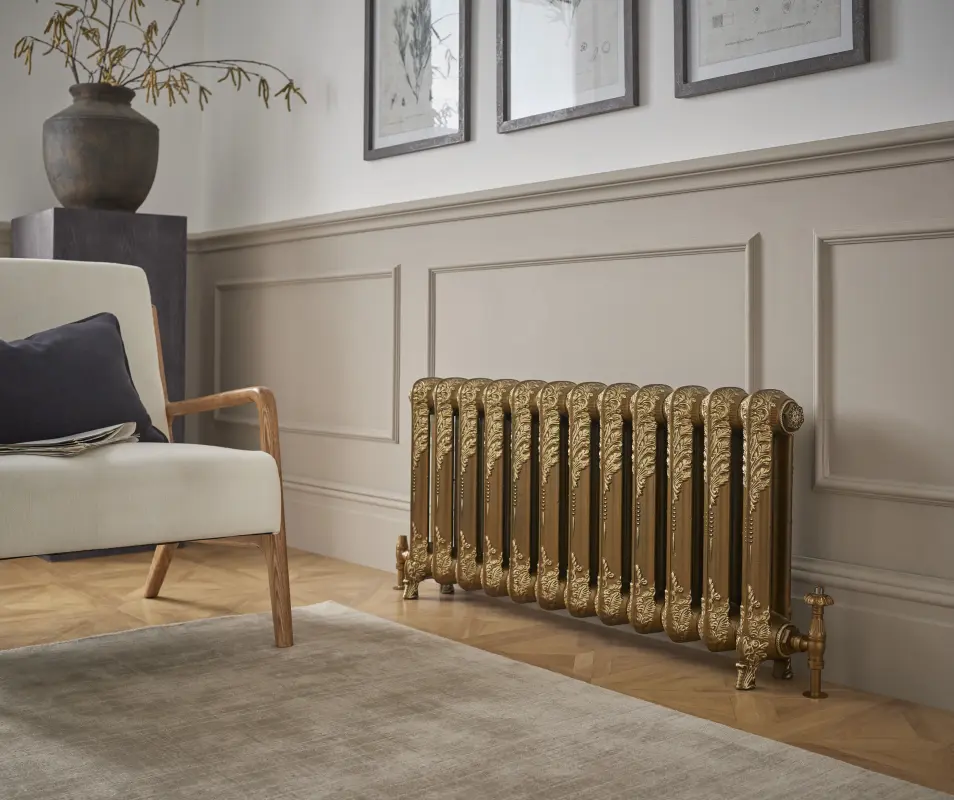
Shaftsbury
Like the Piccadilly, our Shaftsbury includes ornate bush ends as standard. The design emphasises vertical proportions and elegant detailing, creating refined presence. The three-column format provides reliable heat distribution.
Best For
Narrow wall spaces, hallways, bedrooms, period bathrooms and properties where vertical emphasis complements room proportions.
Sloane
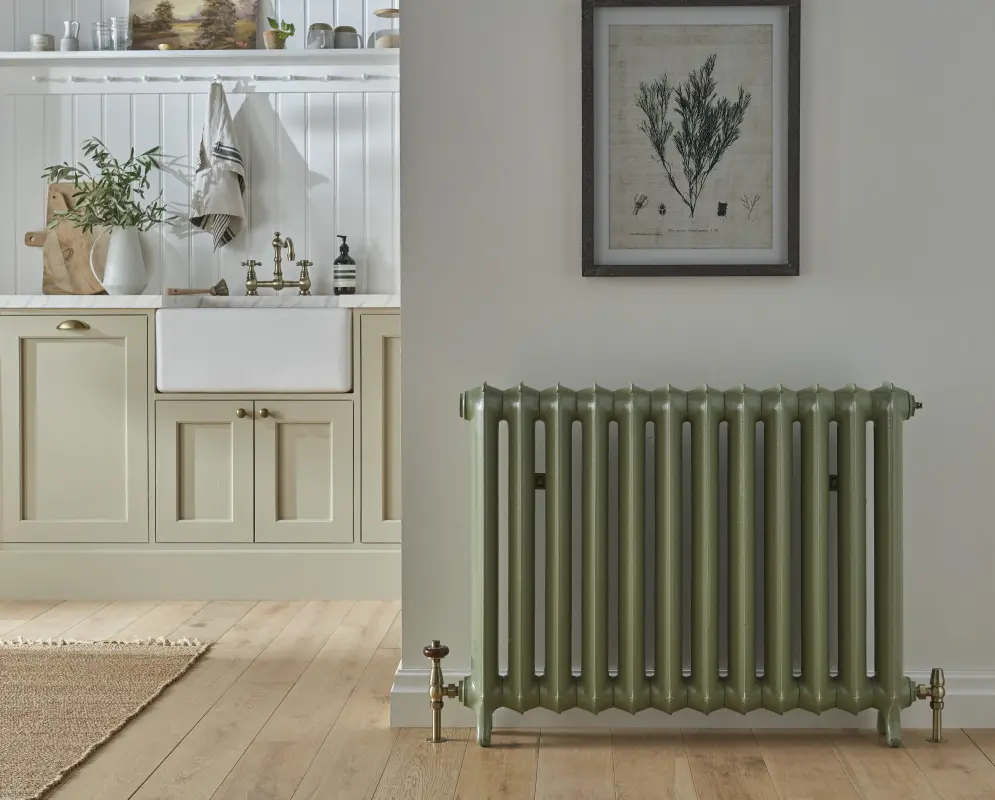
The Sloane captures quintessential English elegance with restrained decoration and perfect proportions. It’s refined without being fussy, decorative without being overwhelming. The two-column design balances heat output with aesthetic grace.
Best For
Period flats, townhouses, dining rooms, master bedrooms and spaces demanding sophisticated understatement.
Victoriana 3 & 4 Column
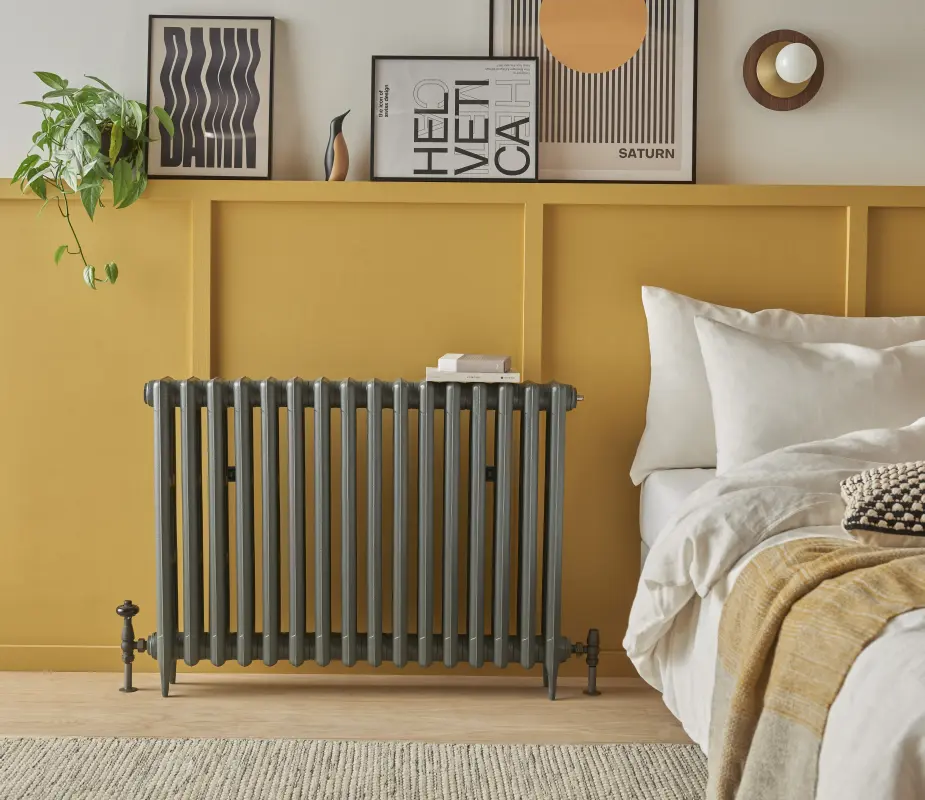
Our Victoriana range provides authentic Victorian design in two configurations. The three-column version suits medium spaces, and the four-column variant delivers higher BTU output. Both feature traditional detailing and proven thermal performance.
Best For
Victorian properties, Edwardian homes, traditional kitchens, bathrooms and anywhere requiring period-correct design with reliable modern performance.
Which Cast Iron Radiators Work Best for Different Types of Rooms?
Matching radiators to specific spaces ensures both aesthetic harmony and practical performance.
Living rooms need substantial heat output, making four or six-column designs ideal. The Churchill, Neo Georgian 6-column or Saint Paul all deliver serious BTUs and command attention as design features.
Kitchens benefit from radiators that balance heat with space efficiency. The Victoriana 3-column or Pimlico provide warmth without dominating limited wall space.
Hallways often have narrow walls and high ceilings, making tall radiators like the Shaftsbury or taller Elizabethan perfect choices.
Bathrooms require careful consideration of positioning and finish. The Clarendon fits beneath windows brilliantly, and polished finishes resist moisture better than painted surfaces.
Bedrooms suit less ornate designs that create warmth without visual dominance. The Sloane, Gatsby or Elizabethan all provide comfortable heat with refined presence.
Home offices benefit from consistent warmth without temperature fluctuations. Clean designs like the Montpellier or Neo Georgian suit professional environments.
Bay window spaces demand low-level radiators. The Clarendon or Churchill delivers heat without blocking light or views.
Large barn conversions need multiple high-output radiators. The Neo Georgian 6-column or Saint Paul provide the BTUs necessary for heating substantial volumes.
How Do Our Electric Cast Iron Radiators Work?
Our electric cast iron radiators bring traditional aesthetics to properties without central heating or spaces where wet system installation proves impractical.
Each radiator houses 240V single-phase heating elements connected to a dedicated fused spur: a permanent electrical connection rather than a plug. The thermal mass of cast iron means warmth continues radiating long after elements cycle off.
Thermostatic control maintains precise temperatures automatically. Built-in thermostats detect room temperature and adjust element operation accordingly, preventing overheating and maintaining comfort. Frost protection mode keeps temperatures above freezing in vacant properties or seasonal spaces.
Some models feature app-controlled systems allowing remote operation via smartphone. You can adjust temperatures, set schedules and monitor energy consumption from anywhere.
When should you choose electric over wet systems?
- Properties without central heating
- Garden offices and annexes
- Listed buildings where pipework installation damages historic fabric
- Loft conversions where extending heating systems proves costly
- Spaces needing independent temperature control
When Are Dual Elements Needed?
Very large radiators or rooms with high heat loss may require two elements to achieve comfortable temperatures efficiently. Our team can advise on element sizing during specification. Electric radiators cost more to run than wet systems but avoid the expense of extending pipework, fitting additional boiler capacity or installing entirely new heating systems.
What is the CORE Range?
Our CORE Range offers a select range of cast iron radiator sizes, which are built ready to paint and can be delivered within three days from order in your choice of Paladin Metals colour.
How Do You Calculate the Right Heat Output for Your Room?
Accurate heat calculation prevents installing radiators that underperform or waste energy through excessive output.
BTUs and watts measure heat output: British Thermal Units and watts respectively. One watt equals 3.412 BTUs. UK radiators are increasingly specified in watts, though BTUs remain common. Our product pages list both.
What variables affect heat demand?
Room dimensions establish baseline requirements. Multiply length × width × height to get cubic metres, then multiply by 40 to 80 depending on property type.
Insulation quality affects needs dramatically. Modern cavity walls, loft insulation and double glazing reduce demand. Solid walls, single glazing and poor insulation increase it substantially.
Window sizes matter. Large windows lose heat rapidly. Add 10% to calculated BTUs for rooms with extensive glazing.
Room usage affects requirements. Living rooms and bathrooms need more warmth than bedrooms. North-facing rooms receive no solar gain and need additional output.
Our radiator configurator walks you through these variables, accounting for your specific property characteristics to recommend appropriate radiators.
Why Choose a Paladin Cast Iron Radiator in 2026?
Buying a cast iron radiator represents a significant investment, so understanding what sets Paladin apart matters.
Craftsmanship
We’re Britain’s only dedicated cast iron radiator factory. We don’t share facilities with other manufacturers or produce anything except radiators. Our casting moulds stay sharp, our quality control remains meticulous and our craftsmen specialise in this singular product.
Hand-polished Finishes
Our polished radiators receive genuine hand finishing. Craftsmen work sections individually until they achieve mirror gloss. It’s time-consuming, labour-intensive and produces results impossible through machine buffing.
Bespoke Colours
We partner with Farrow & Ball and Little Greene to offer their complete colour ranges, but we’ll also match any colour you provide. Bring a paint sample and we’ll replicate it.
Build Quality
Every radiator undergoes pressure testing before leaving our factory. We hand-assemble sections, test joints, inspect castings and only release radiators that meet our standards.
Lifetime Value
Yes, cast iron radiators cost more initially than panel radiators. But calculate cost per year of ownership. A £1,200 radiator lasting 50 years costs £24 annually. A £200 panel radiator lasting 15 years costs £13.33 annually but requires replacement three times over the same period, plus installation costs each time.
10-year Guarantee
Our guarantee reflects confidence in our manufacturing standards. We know these radiators will perform reliably because we’ve refined our processes over two decades.
Ready to Find Your Perfect Cast Iron Radiator?
Explore our complete range, use our heat calculator to determine your requirements or contact our team for expert guidance. Whether you’re restoring a Victorian terrace or heating a contemporary apartment, we’ll help you choose radiators that deliver both beauty and warmth for decades to come.
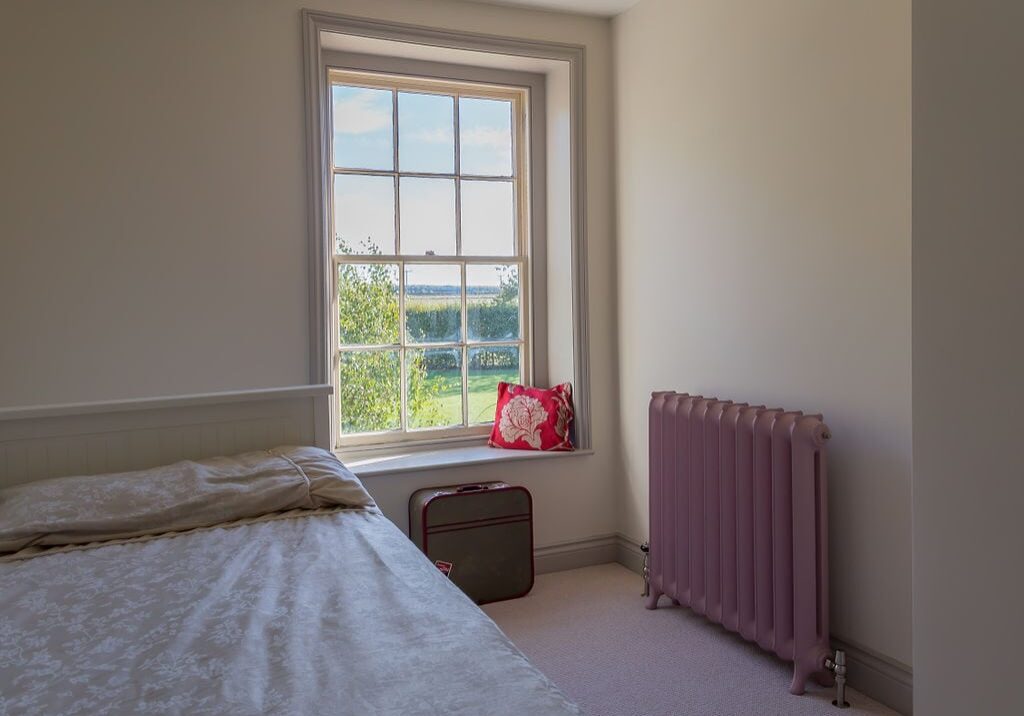
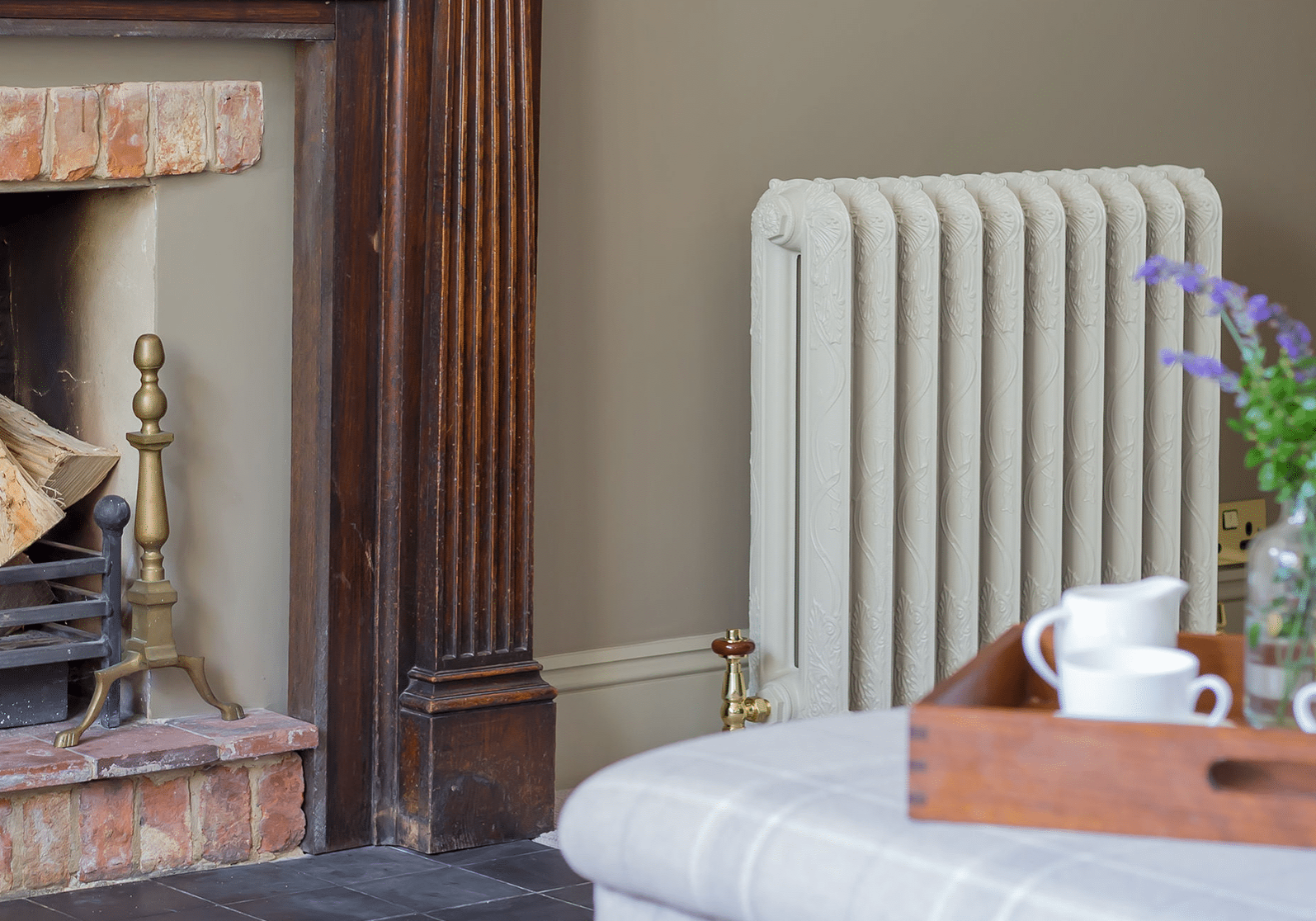
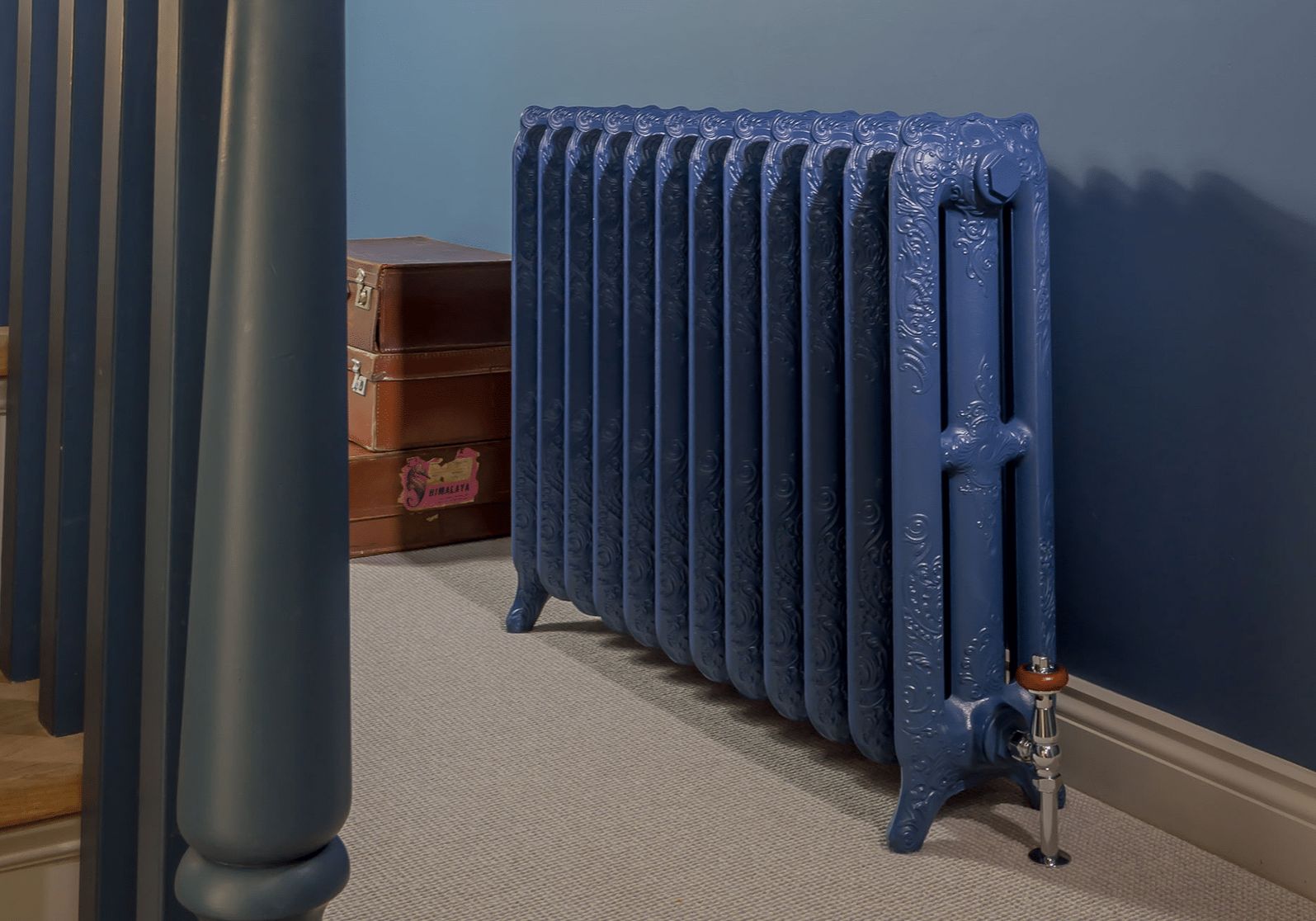
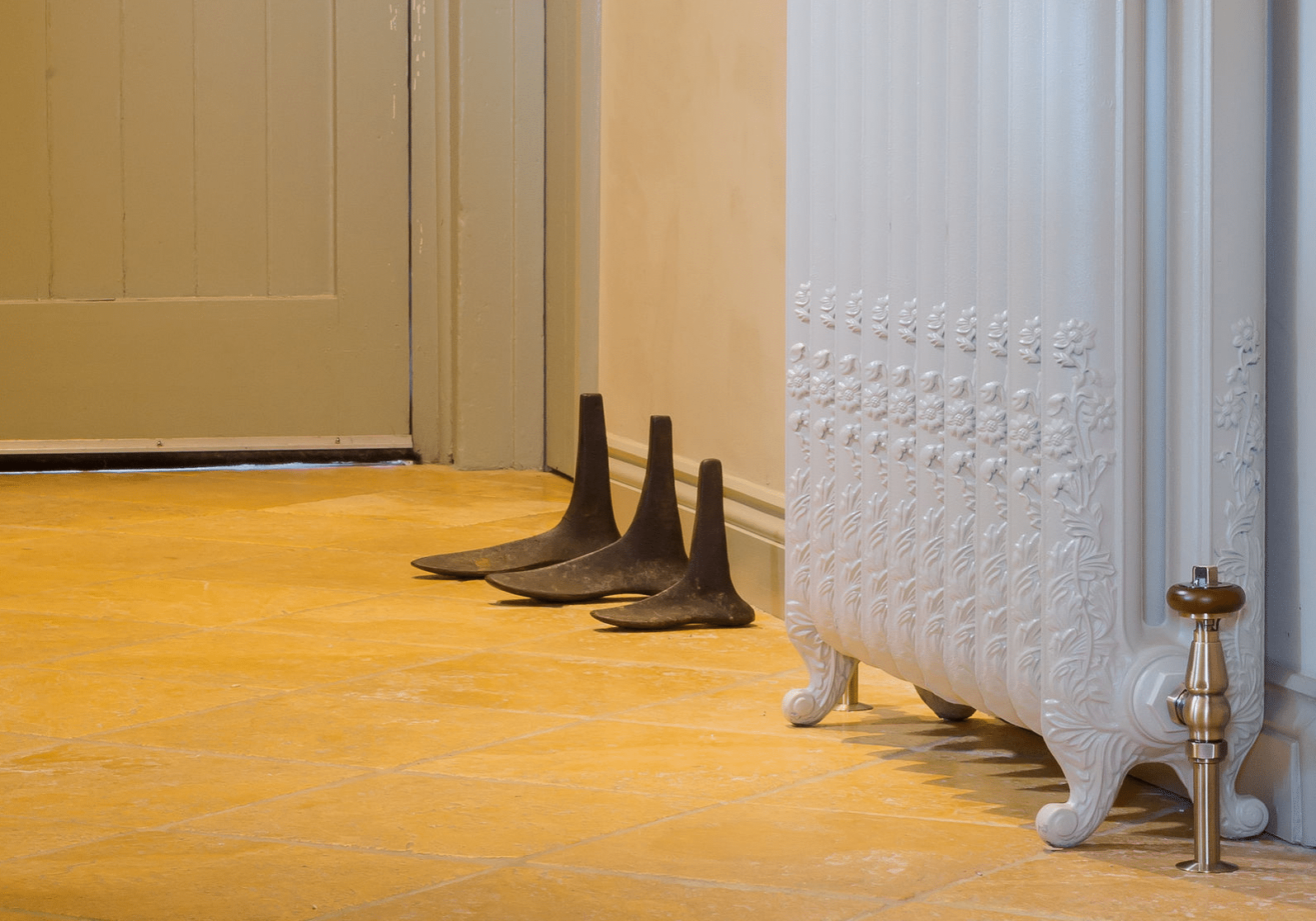
“I want to say thanks and how fantastic the radiators look along with the cast quality and the excellent painting and polishing finish. I now can’t wait to get them installed! Many thanks again for all your help and assistance.”
“Thank you for all your help, we will definitely recommend Paladin to anyone we know who is looking for cast iron radiators and will get in touch when we’re needing radiators for our ground floor.”