
What are the best cast iron radiators for conservatories?
Estimated reading time: 4 minutes
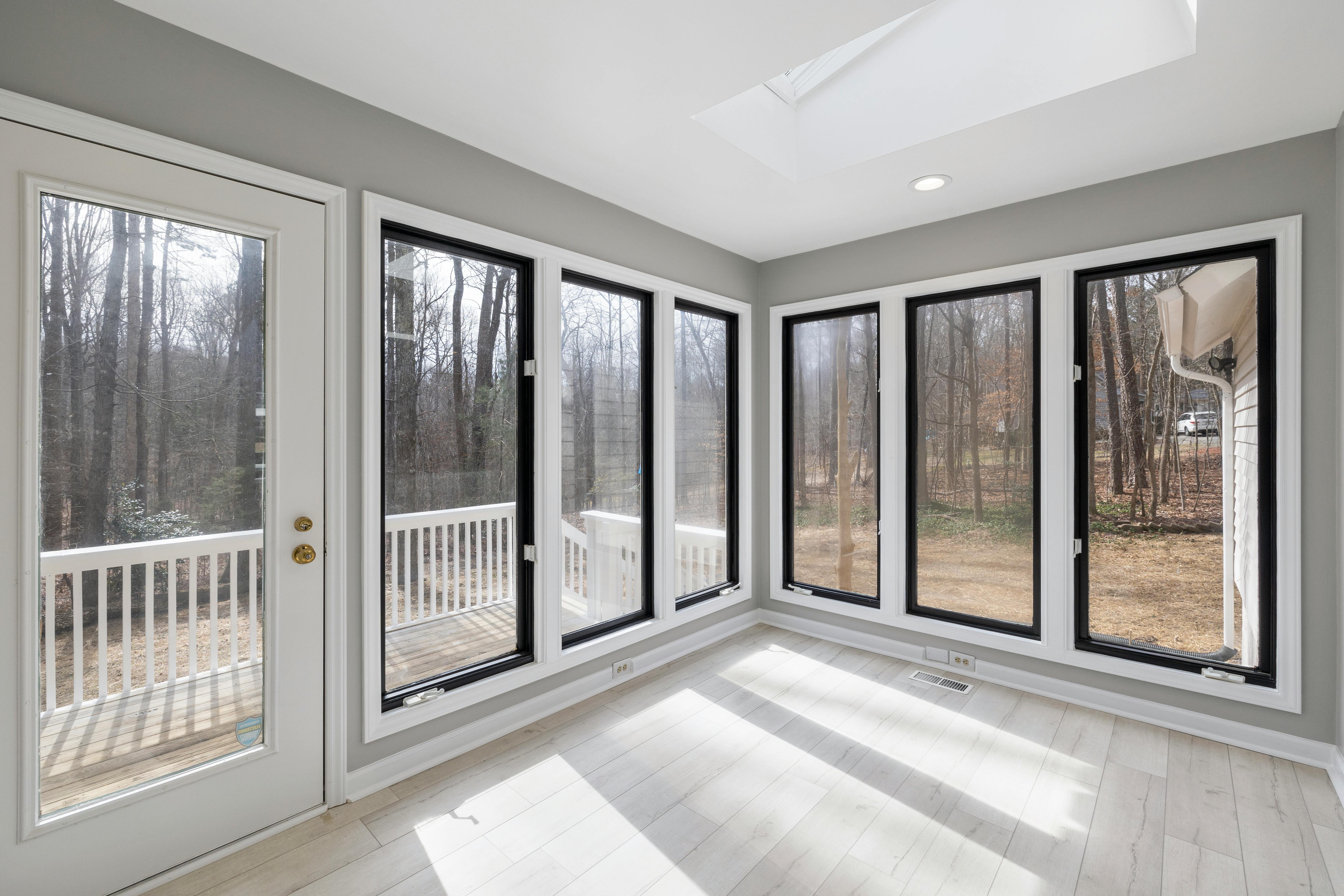
Are you fitting out a conservatory and wondering which radiator will actually keep it warm? Cast iron radiators are a strong choice for homeowners who want reliable heat, a distinctive look and something that earns its place in a room built to be admired. You’ll find the full range of cast iron radiators on our website. This guide will help you choose the right model, size and heat output for your conservatory whether it’s a compact lean-to or a full-width Victorian extension.
Which is the right type of radiator for your conservatory?
Are cast iron radiators suited to conservatories?
“They are – and there are a few reasons why they perform particularly well in this kind of space.
“Conservatories lose heat quickly. The glass walls and roof that make them so appealing in summer also let warmth escape in winter. Cast iron holds onto heat for longer than steel or aluminium alternatives, so it carries on warming the room after your boiler has cycled off. That makes it a practical choice as well as an attractive one.
“There’s also the look to consider. A conservatory is a room you spend time in, not just pass through. A well-chosen cast iron radiator becomes part of the interior rather than something to work around. Whether you’re furnishing a period-style conservatory with ornate detailing or a clean modern extension, there’s a model that fits.”
Jon Walker, Paladin Radiators
Two things to settle before you choose:
- Column count: 2-column models are slimmer and work well in tighter spaces. 4-column models output more heat per section and suit larger or poorly insulated rooms.
- Section count: The number of sections determines total BTU output. More sections, more heat.
What radiators work best in a small conservatory?
Are smaller conservatories harder to heat?


“Not necessarily – they just need the right output in the right footprint.
“For compact spaces, a 2-column cast iron radiator is often the best fit. It takes up less wall space and still delivers effective heat. The Kensington and the Pimlico are good examples: both are well-proportioned 2-column models, available with a low section count and easy to configure to the BTU output your room needs.
“If wall space is limited, height is worth considering too. A taller model with fewer sections can deliver the same output as a shorter model with more sections, but in a narrower horizontal run. That’s useful if you’re working around French doors or a bay of windows.”
Jon Walker, Paladin
What radiators work best in a large conservatory?
Are larger conservatories more difficult to heat with a single radiator?


“Often, yes – and you have two options: a high-output model or multiple radiators.
“A 4-column cast iron radiator produces more heat per section than a 2-column equivalent, making it a strong choice when you need to move more BTUs without stretching a radiator across an entire wall. The Victoriana 4 Column and the Neo Georgian 4 Column are both well suited here: the Victoriana brings understated elegance that works equally well in period and contemporary settings, and the Neo Georgian’s clean lines suit a wide range of interiors.
“For very large or open-plan spaces, two smaller radiators placed on opposite walls often circulate heat more effectively than one oversized unit. It balances the room visually too – something worth thinking about in a space designed to be enjoyed.”
Jon, Paladin

How do I know what level of heat I need?
Is there a simple way to work out the BTU output you need? There is, and getting it right matters more in a conservatory than almost anywhere else in the house.
Conservatories are high heat-loss environments. When calculating for a conservatory, you’ll want to account for:
- The total glazed surface area (walls and roof)
- Whether you have a solid or polycarbonate roof
- How exposed the conservatory is to wind
- Which direction it faces (north-facing conservatories receive less solar gain and can require a higher output)
Our heat calculator gives you a model-specific BTU figure so you know exactly how many sections to order. If you’d rather talk it through, our team can work out your requirements directly.
Are electric cast iron radiators a good option for conservatories?
Are electric cast iron radiators worth considering for a conservatory? For some situations, they’re the most practical option available.
Extending your central heating into a conservatory isn’t always straightforward. Running new pipework through an existing structure can be disruptive and costly. An electric cast iron radiator removes that problem entirely: no pipework, no plumber, no disruption to your existing system.
Electric models are also easy to control independently of the rest of your heating. That’s useful in a conservatory, where you might only need heat for a few hours in the evening or during cooler months rather than running it alongside your whole house.
The trade-off is running cost: electricity costs more per unit than gas in the UK. But for a room you don’t heat constantly, the installation saving and the added flexibility often make it the right call.
Shop Cast Iron Radiators by Room


Find the right radiator for your conservatory
Browse our full range of cast iron radiators or use the heat calculator to find the right output for your space. Not sure where to start? Call us or drop us an email and we’ll help you work it out.
“I want to say thanks and how fantastic the radiators look along with the cast quality and the excellent painting and polishing finish. I now can’t wait to get them installed! Many thanks again for all your help and assistance.”
“Thank you for all your help, we will definitely recommend Paladin to anyone we know who is looking for cast iron radiators and will get in touch when we’re needing radiators for our ground floor.”