
When to Replace Your Radiator: The Complete UK Homeowner’s Guide
Your radiators work tirelessly to keep your home warm, but they won’t last forever. Knowing when to replace them can save you money, improve your comfort, and prevent the frustration of heating failures during the coldest months. At Paladin, we’ve been helping UK homeowners make informed decisions about their radiators for over two decades, and we understand exactly what to look for when your heating system needs attention.
How long do radiators typically last?
Most radiators have a working life of 10 to 20 years, but this varies significantly based on several factors. Well-maintained radiators can last anywhere from 10 to 15 years, and in some cases even longer, whilst poorly maintained ones may fail much sooner.
The quality of materials makes a huge difference to longevity. Radiators made from high-quality materials, such as cast iron or stainless steel, tend to last significantly longer than those made from less expensive materials. Our cast iron radiators at Paladin often exceed these timeframes because of our superior manufacturing processes and the inherent durability of cast iron construction.
Cast iron radiators, particularly those from our dedicated UK foundry, can last a lifetime when properly maintained. The key difference lies in build quality; our hand-assembled radiators undergo rigorous testing to ensure they meet our exacting standards.
What are the key signs your radiator needs replacing?
Several warning signs indicate it’s time to consider radiator replacement. Recognising these early can save you from heating emergencies and costly energy bills.
Cold spots on your radiator are often the first sign of internal problems. If parts of your radiator remain cool whilst others heat up normally, you’re likely dealing with internal blockages or corrosion. Radiator failure is usually not attributable to a single event. Instead, it is commonly caused by gradual deterioration, such as pinhole leaks resulting from long-term corrosion or blockages within the radiator panels, which lead to cold spots.
Visible rust or corrosion on the exterior of your radiator suggests that internal deterioration has begun. Once rust appears on the outside, the inside is likely worse.
Leaking water around the base of your radiator indicates a seal failure or pipe corrosion. Even small leaks waste energy and can cause damage to floors and furnishings.
Poor heating performance, despite a well-functioning boiler, suggests that your radiators can no longer distribute heat effectively. If you are confident that your boiler is still performing as usual, but your radiators are not performing as well, this may be a clear sign that your radiators need replacing.
Rising energy bills without increased usage often indicate heating inefficiency. Older radiators work harder to achieve the same temperature, consuming more energy and resulting in higher costs for you.
Why do radiators lose efficiency over time?
Understanding why radiators deteriorate helps you recognise when replacement becomes necessary. Internal corrosion gradually reduces heat transfer efficiency, whilst mineral deposits create blockages that restrict water flow.
The water in your heating system contains minerals and dissolved gases that, over time, cause internal damage. These deposits accumulate on the radiator’s internal surfaces, serving as insulation that prevents effective heat transfer. You’ll notice this as rooms taking longer to warm up or never reaching comfortable temperatures.
Corrosion weakens the radiator structure and creates rough internal surfaces that further impede water circulation. Regular maintenance is also a key factor in prolonging the life of a radiator. This includes bleeding the radiator to remove any trapped air, regularly dosing the system with a chemical inhibitor, cleaning exterior surfaces, and checking for signs of corrosion or leaks.
External factors also play a role. Properties near coastal areas experience accelerated corrosion due to the presence of salt in the air. Areas with challenging water experience faster mineral buildup. Poor system maintenance, inadequate chemical treatment, and irregular bleeding all contribute to premature radiator failure.
When is the best time to replace your radiators?
Timing your radiator replacement strategically can save money and avoid heating disruptions. When it comes to replacing your home’s radiators, it makes the most sense to do so when you need them the least.
The summer months offer the ideal time for replacing windows. Your heating system isn’t critical for comfort, allowing time for proper installation without rushing. It makes the most sense to get them changed during the warm summer months when you don’t need them. This timing also gives you access to better pricing and availability, as demand for heating services drops during warmer weather.
Spring planning allows you to assess your heating system’s performance after winter use. You can identify problems whilst they’re fresh in your memory and arrange replacements before the next heating season. Our team at Paladin often recommends spring assessments to homeowners who’ve noticed heating issues during winter.
Before major renovations, it presents an excellent opportunity to upgrade radiators. If you’re redecorating rooms, replacing radiators simultaneously saves disruption and allows you to choose styles that complement your new interior design. Our extensive range of finishes and colours can perfectly match your renovation plans.
Avoid winter replacements unless necessary. Emergency replacements during heating season are more expensive, with limited product availability and rushed installation schedules that may compromise quality.
How do you know if repair or replacement is the better option?
Deciding between repair and replacement depends on several factors, including the age of the radiator, the severity of the problem, and the long-term costs.
Age consideration plays a crucial role in this decision. A good time to replace your radiators is before they reach their end of life, which is usually between 15 and 20 years. If your radiators are approaching this age, replacement often makes more financial sense than repeated repairs.
Repair costs should be weighed against the benefits of replacement. According to figures from Checkatrade, the labour cost to remove and reinstall a radiator is likely to be around £200, making minor repairs more attractive for newer radiators but less so for older ones that require frequent attention.
Energy efficiency gains from modern radiators often justify replacement costs. You can save a considerable amount of money on your monthly energy bills with new radiators. High-quality, energy-efficient radiators can reduce your energy consumption and lower your gas bills.
Our experience at Paladin shows that multiple repair callouts within two years typically indicate that the time for replacement has arrived. The cumulative cost of repairs, combined with ongoing inefficiency, usually exceeds the investment in quality replacement radiators.
What benefits do modern radiators offer?
Contemporary radiator technology delivers significant improvements over older designs. Modern manufacturing techniques, advances in materials science, and improvements in thermal efficiency make replacement worthwhile for many homeowners.
Enhanced heat output from modern designs means better room heating with lower water temperatures. Our cast iron radiators at Paladin use advanced foundry techniques that maximise thermal mass whilst optimising heat distribution patterns.
Improved aesthetics can transform a room’s appearance. If you have older radiators, you may notice that they don’t look as attractive as newer models, which could detract from the overall visual appeal of your property. Our range encompasses both traditional and contemporary designs, suitable for any interior style.
Superior build quality ensures longer service life. New radiators are made with modern features and technology, which means they are much more energy efficient than older models. At Paladin, every radiator is hand-assembled by expert craftsmen in our UK facility, ensuring consistent quality.
Energy efficiency improvements can substantially reduce heating bills. Modern radiators heat up faster, distribute heat more evenly, and maintain temperatures more effectively than older designs.
Customisation options allow for a perfect match to your home’s requirements. Our colour-matching service and extensive finish range ensure your new radiators complement your interior design perfectly.
How do cast-iron radiators compare for longevity?
Cast iron radiators offer exceptional durability compared to modern steel alternatives. Understanding these differences helps you make informed decisions about replacements.
Thermal mass benefits mean that cast iron radiators continue to heat rooms even after your boiler stops running. This thermal storage reduces temperature fluctuations and maintains comfort levels more effectively than steel radiators.
The corrosion resistance of quality cast iron exceeds that of standard steel radiators. Our casting processes at Paladin produce dense, uniform metal structures that resist internal corrosion more effectively than mass-produced alternatives.
Repairability gives cast-iron radiators significant advantages. Surface damage, minor leaks, and finish problems can often be repaired rather than requiring complete replacement. Our UK-based service team can refurbish older cast-iron radiators, significantly extending their service life.
The heritage value of cast iron radiators makes them particularly suitable for period properties. If you’re replacing radiators in a Victorian or Edwardian home, our traditional designs maintain architectural authenticity whilst delivering modern heating performance.
What should you consider when choosing replacement radiators?
Selecting replacement radiators involves several essential considerations beyond simply matching size. Getting these decisions right ensures optimal performance and satisfaction.
Heat output calculations must take into account your room’s specific requirements. Over time, the method of calculating heat outputs in properties has also changed, along with radiator sizes. Therefore, if you have ancient radiators, it’s more likely that you will need adjustments to your heating pipework. Our heating calculator helps determine precise BTU requirements for each room.
Installation complexity varies significantly between like-for-like replacements and system modifications. If you can find a like-for-like radiator, meaning a new one of the same size as your old one, the job of swapping the old one for a new one is relatively straightforward. However, upgrading to a different size or style may require modifications to the pipework.
Professional installation ensures safe, reliable operation. We strongly advise against attempting to fit a radiator yourself and recommend always using a qualified plumber or heating engineer to do it for you. Our technical support team can recommend certified installers in your area.
Matching existing systems helps avoid compatibility issues. Understanding your current pipework, valve types, and system pressures ensures smooth integration of replacement radiators.
Future-proofing considerations include anticipating home improvements, family changes, or energy efficiency upgrades that might affect heating requirements.
Why Choose Paladin for Your Radiator Replacement?
When replacing your radiators, selecting the proper manufacturer can make a significant difference in performance, longevity, and overall satisfaction. At Paladin, we offer unique advantages that set us apart from mass-market alternatives.
Dedicated UK foundry means we control every aspect of production quality. Unlike companies using shared facilities, our exclusive foundry produces castings solely for Paladin radiators. This ensures consistent quality and allows us to maintain the sharp detail definition that makes our radiators exceptional.
Hand-built assembly by expert craftsmen ensures attention to detail that is impossible with automated production. Every radiator receives individual attention during construction, testing, and finishing.
Comprehensive finishing options include our exclusive colour-matching service and partnership with Farrow & Ball for premium paint finishes. Whether you need perfect colour coordination or distinctive visual effects, we can deliver precisely what you envision.
Technical expertise helps you select optimal radiators for your specific requirements. Our team understands the various British housing types, heating systems, and performance requirements, ensuring you receive radiators that deliver excellent long-term performance.
UK heritage means you’re supporting British manufacturing whilst benefiting from decades of experience in cast iron radiator production.
What’s involved in professional radiator replacement?
Understanding the replacement process helps you prepare and ensures realistic expectations. Professional installation typically involves several distinct stages.
System assessment begins with evaluating your existing heating system, the condition of your pipework, and your room requirements. This determines whether simple radiator swapping or system modifications are necessary.
System drainage requires emptying your central heating system safely and securely. Depending on the number of radiators that need to be replaced, it can take an average of a full day to drain the central heating system, remove and fit the new radiators, refill the system, and then check everything over.
Old radiator removal involves disconnecting the pipework, removing the wall brackets, and properly disposing of the old units. Cast iron radiators require careful handling due to their weight.
New radiator installation involves positioning, connecting the pipework, testing the connections, and commissioning the system. Professional installers ensure proper bracket support, which is especially important for heavy cast-iron radiators.
System refilling and testing conclude the process, with thorough checks for leaks, proper heating, and optimal performance.
Ready to replace your radiators with quality cast iron alternatives that’ll serve your home for decades? Contact our expert team at Paladin to discuss your requirements. We’ll help you choose the perfect radiators for your home and connect you with certified installers who’ll ensure professional, reliable installation that you can trust.
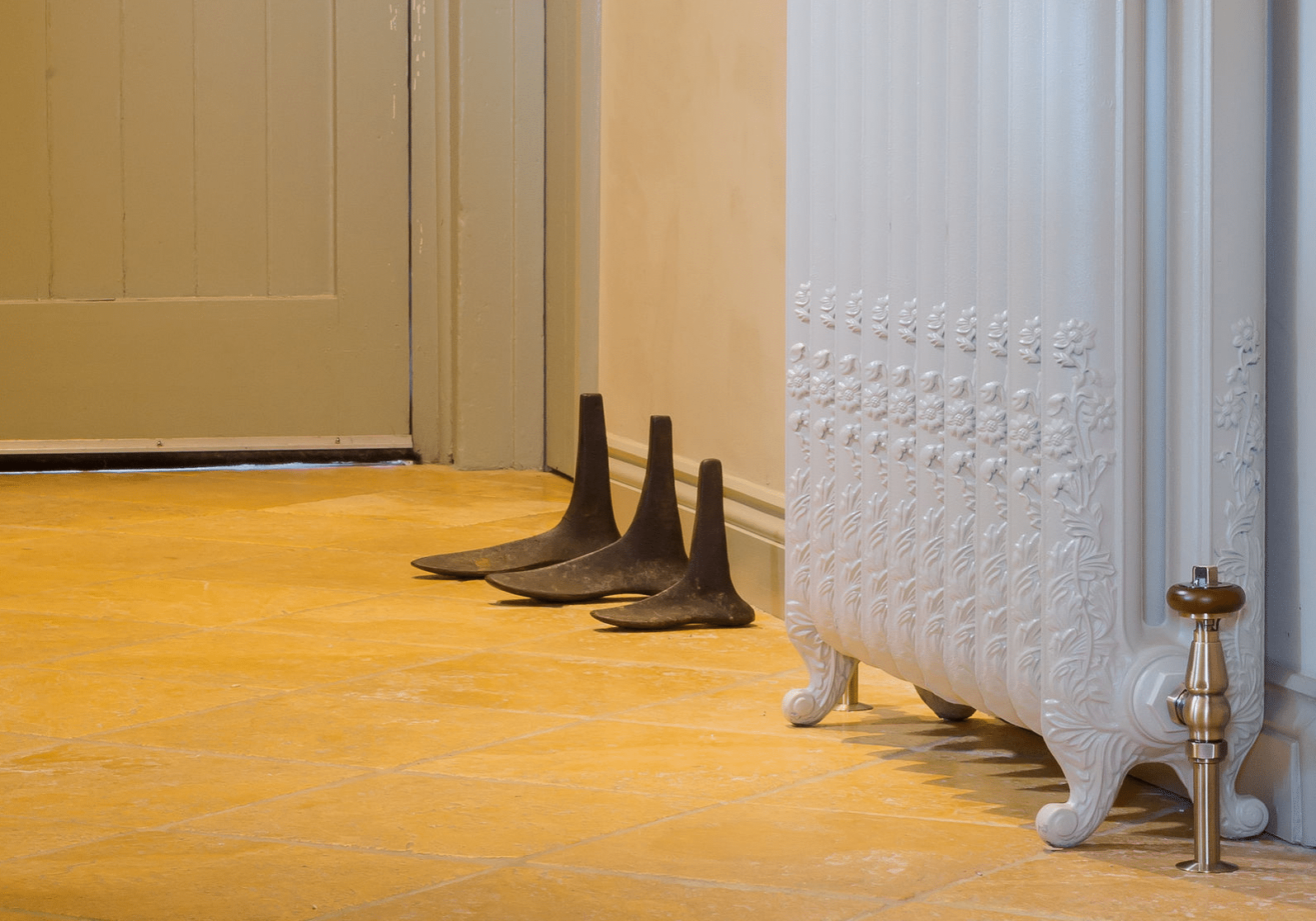
“I want to say thanks and how fantastic the radiators look along with the cast quality and the excellent painting and polishing finish. I now can’t wait to get them installed! Many thanks again for all your help and assistance.”
“Thank you for all your help, we will definitely recommend Paladin to anyone we know who is looking for cast iron radiators and will get in touch when we’re needing radiators for our ground floor.”