
When Is the Best Time to Update Your Heating System?
The best time to update your heating system is during spring or summer from April to September. Why? Demand for heating engineers drops in warmer months, so you can plan properly without rushing. If you’re considering cast iron radiators as part of your upgrade, this quieter period also means shorter lead times and more flexibility with bespoke finishes.
Why Is Summer the Ideal Season for Heating Upgrades?
Summer is the sweet spot because you won’t need your heating daily. Engineers have lighter schedules between April and September. That often means better availability and more competitive pricing. You’ll also avoid the panic of a mid-winter breakdown when everyone else is scrambling for repairs.
There’s a practical advantage to working without time pressure too. Upgrading your heating involves decisions about radiator styles, pipe runs and controls. Rushing these choices in November because your boiler’s packed up rarely ends well. Summer lets you visit showrooms, request samples and think things through properly.
For period properties especially, heating upgrades benefit from careful planning. Cast iron radiators need proper sizing to heat rooms effectively. Bespoke colour matching takes time. Start the process in warmer months and everything’s installed and tested well before you need it.
What Are the Warning Signs Your Heating System Needs Updating?


The clearest indicators are:
- Rising energy bills with no change in usage
- Uneven heating across different rooms
- Frequent repair callouts
- A boiler over fifteen years old that needs fixing every year
- Strange noises from your boiler or radiators
- Slow response times when you turn the heating on
- Radiators that need constant bleeding
- Cold spots in rooms despite the heating running full blast
- Visible corrosion on radiators
- Persistent leaks at joints
- Discoloured water when you bleed units
Cold spots usually point to inefficient radiators or poor circulation. Modern steel panel radiators lose heat quickly once the boiler cycles off. Cast iron radiators retain heat far longer because of their thermal mass. They keep warming spaces even when the system isn’t actively running.
Corrosion and discoloured water indicate internal deterioration. At this stage, you’re better off investing in new radiators than nursing along equipment that’s failing.
How Long Does a Complete Heating System Upgrade Take?
A straightforward boiler swap takes one to two days for most properties. Adding new radiators extends this to three to five days depending on how many units you’re replacing and whether pipework needs rerouting. Full system overhauls in larger homes can stretch to a week or more.
Bespoke cast iron radiators add lead time before installation begins. Hand-finished radiators with custom colours need manufacturing time: typically two to three weeks from order confirmation, with polished finishes taking three to four weeks. Factor this into your planning if you’ve set your heart on a particular finish from ranges like Farrow & Ball.
Fitting cast iron radiators takes slightly longer than modern alternatives because of their weight. But this is offset by their longevity. A quality cast iron radiator installed properly will outlast several generations of pressed steel replacements.
Should You Update Your Boiler and Radiators Together?
Updating both at once is more disruptive initially but delivers better results long term. A new boiler paired with old, inefficient radiators won’t perform to its potential. And fitting premium radiators to a struggling boiler wastes their capability. Tackle everything together and your system works as an integrated whole from day one.
There’s a cost argument too. Having engineers on site once rather than twice saves on labour. Pipework modifications for new radiators can be coordinated with boiler installation, avoiding duplicate work. If budget means phasing the project, prioritise the boiler first. Then upgrade radiators room by room.
Cast iron radiators work beautifully with modern condensing boilers despite their traditional appearance. Their slower response time actually complements how condensing boilers operate most efficiently. The boiler runs at lower temperatures for longer periods. That suits cast iron’s gradual heat-up and extended heat retention perfectly.
What Should You Consider When Choosing Replacement Radiators?
Heat output comes first.
Every room needs radiators sized correctly for the space, accounting for ceiling height, window area and insulation levels. Undersized radiators leave rooms cold. Oversized units waste energy. Professional heat loss calculations ensure you get this right.
Aesthetics matter in living spaces.
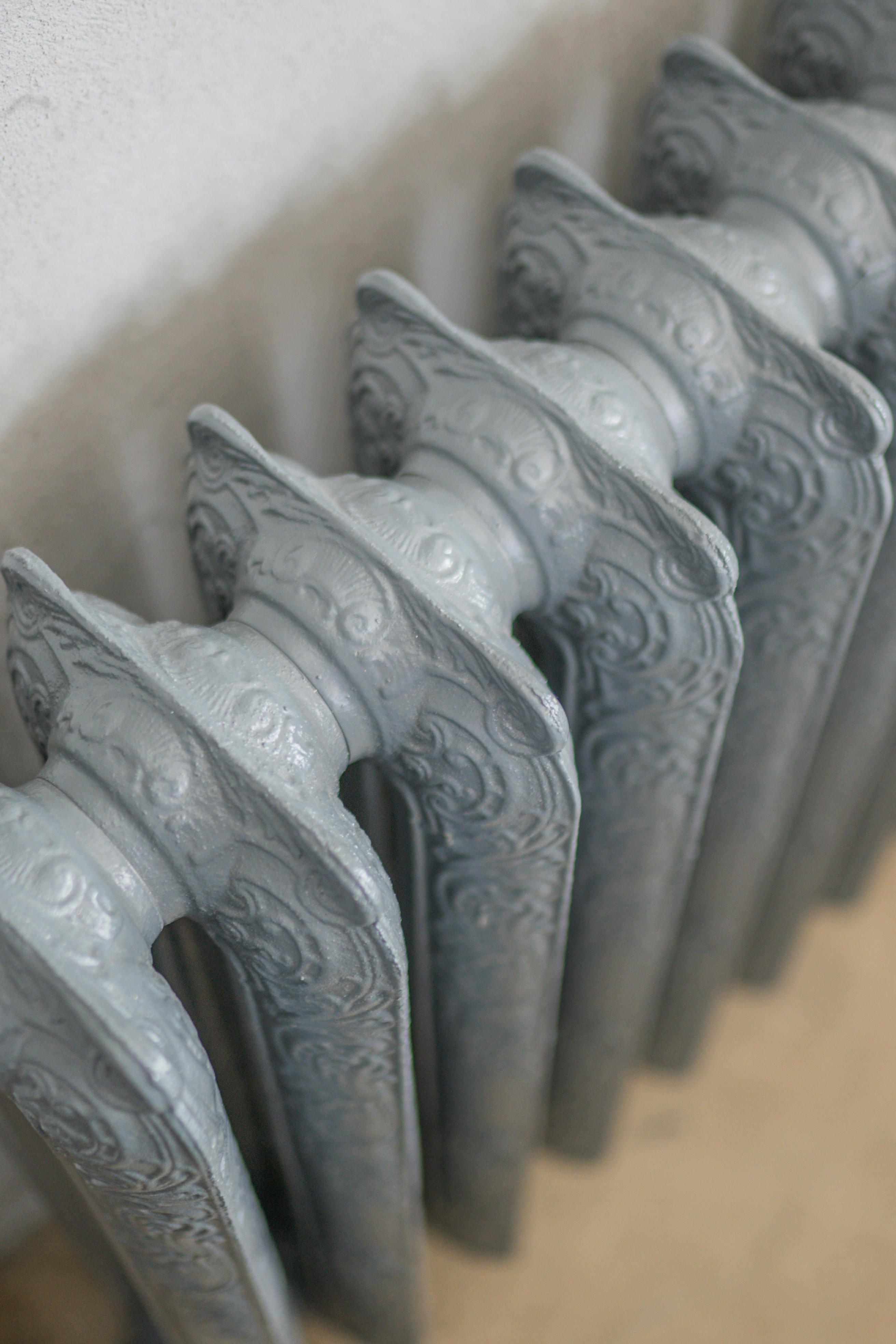
Radiators sit in plain sight for decades, so they should enhance your interiors rather than detract from them. Ornate cast iron designs like the Kensington or Oxford suit period properties. Cleaner column styles complement both traditional and contemporary settings.
Build quality determines lifespan.
Mass-produced radiators from large foundries lack the crisp detailing and consistent finish of handcrafted alternatives. Casting molds wear over time in high-volume production, resulting in softer edges and lost definition. Radiators from dedicated foundries maintain sharp detailing because their moulds stay in prime condition.
And then there’s finish.
Beyond standard colours, specialist finishes including antiqued effects, polished metals and colour-matched paints create something individual. A radiator finished in your exact wall colour becomes almost invisible. A contrasting shade turns it into a feature.
How Can You Prepare Your Home for a Heating Upgrade?
Clear access routes for engineers carrying heavy equipment. Cast iron radiators weigh considerably more than modern alternatives, so ensure doorways and hallways are unobstructed. Move furniture away from existing radiator positions. Protect flooring along access paths.
Drain your system in advance if you’re comfortable doing so. Or arrange for this as part of the installation quote. Older systems benefit from a full flush to remove accumulated sludge before new components go in. This protects your investment and helps the new system perform properly.
Decide on radiator positions before work begins. Most replacements go in existing locations, but an upgrade offers the chance to reconsider. Perhaps that radiator under the window would work better on an internal wall now you’ve added secondary glazing? Moving positions adds cost but might improve both efficiency and room layout.
Confirm all specifications with your installer:
- Radiator dimensions
- Valve positions
- Colour choices
- Accessories
Get everything agreed in writing before work starts. This prevents misunderstandings and ensures you get exactly what you’ve pictured.
Is Autumn Too Late to Update Your Heating System?
Early autumn still works well, though you’ll have less margin for delays. September and October see increasing demand as people prepare for winter. Book early if you’re planning work during this window. Leave it until November and you’ll be competing with emergency repair callouts.
The key is having your new system operational before sustained cold weather arrives. Complete an upgrade by mid-October and you’ve got time for any teething issues to surface before temperatures really drop. You don’t want to discover a problem during a December cold snap.
Missed the summer window entirely? It’s still worth proceeding rather than enduring another winter with an unreliable system. Just accept that scheduling may be tighter and build contingency into your timeline.
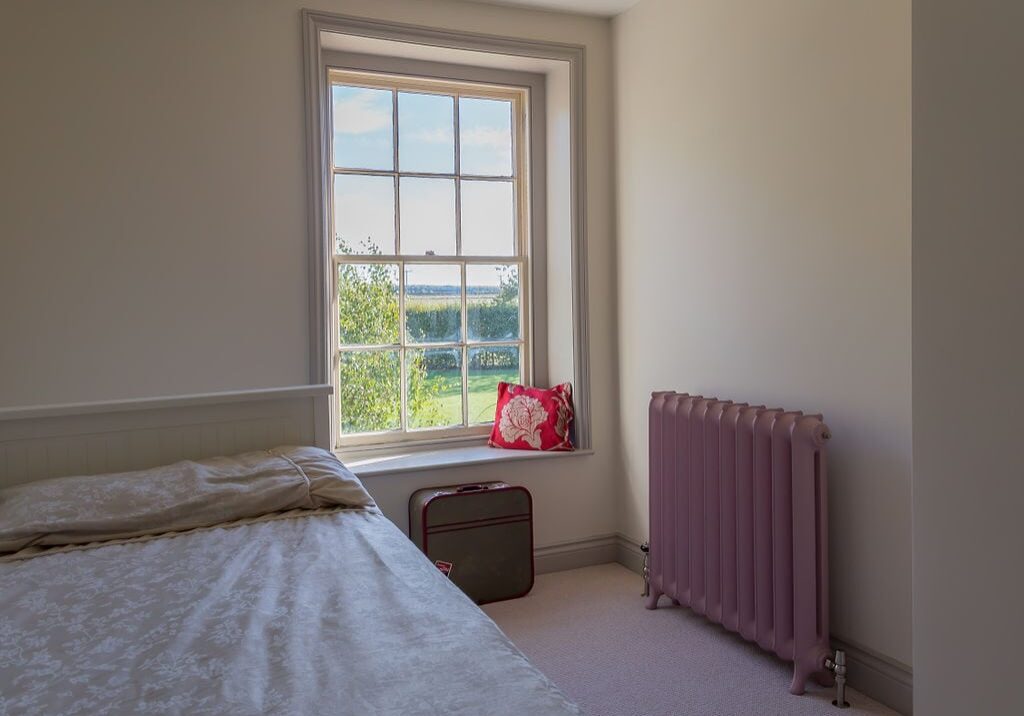
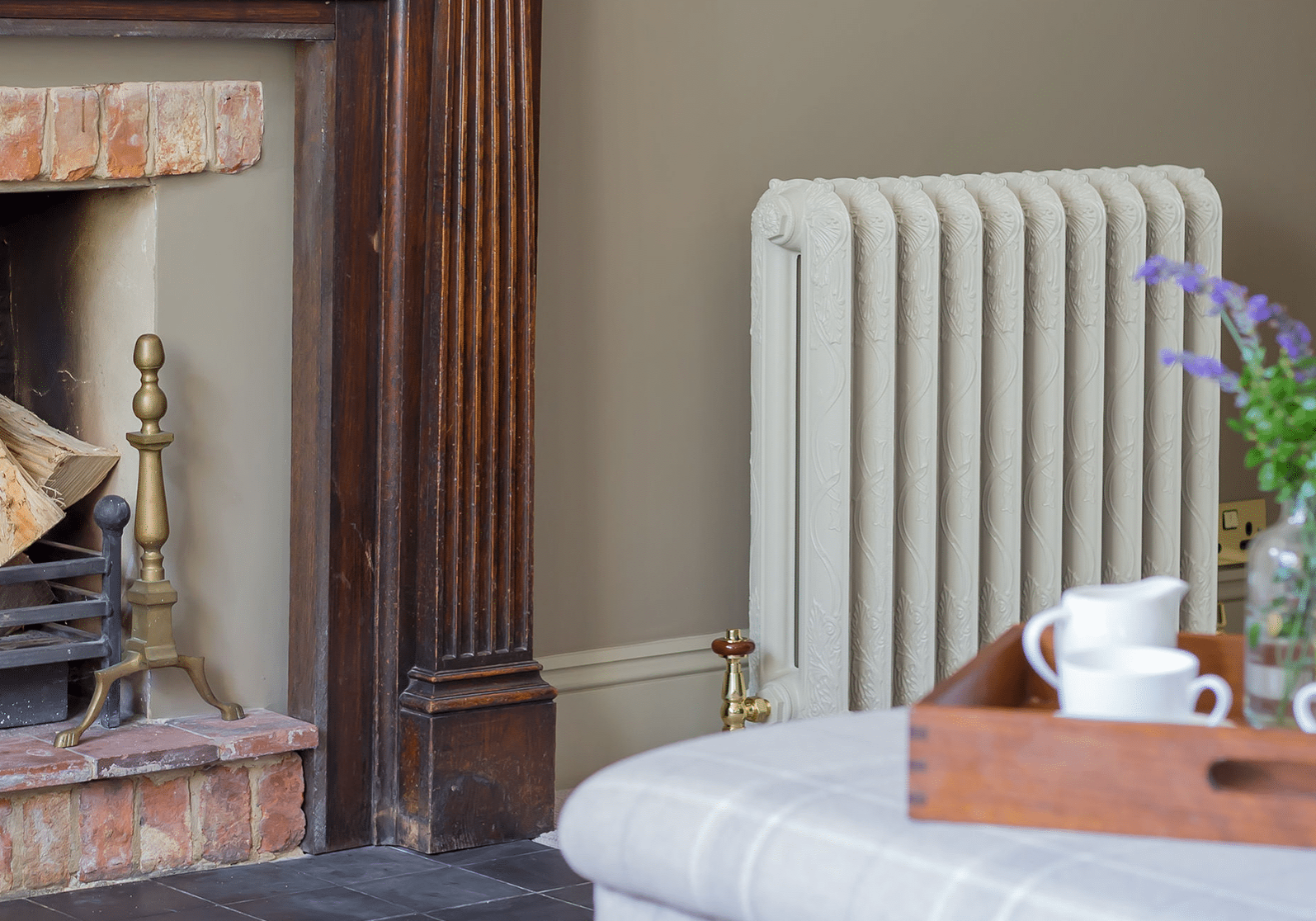
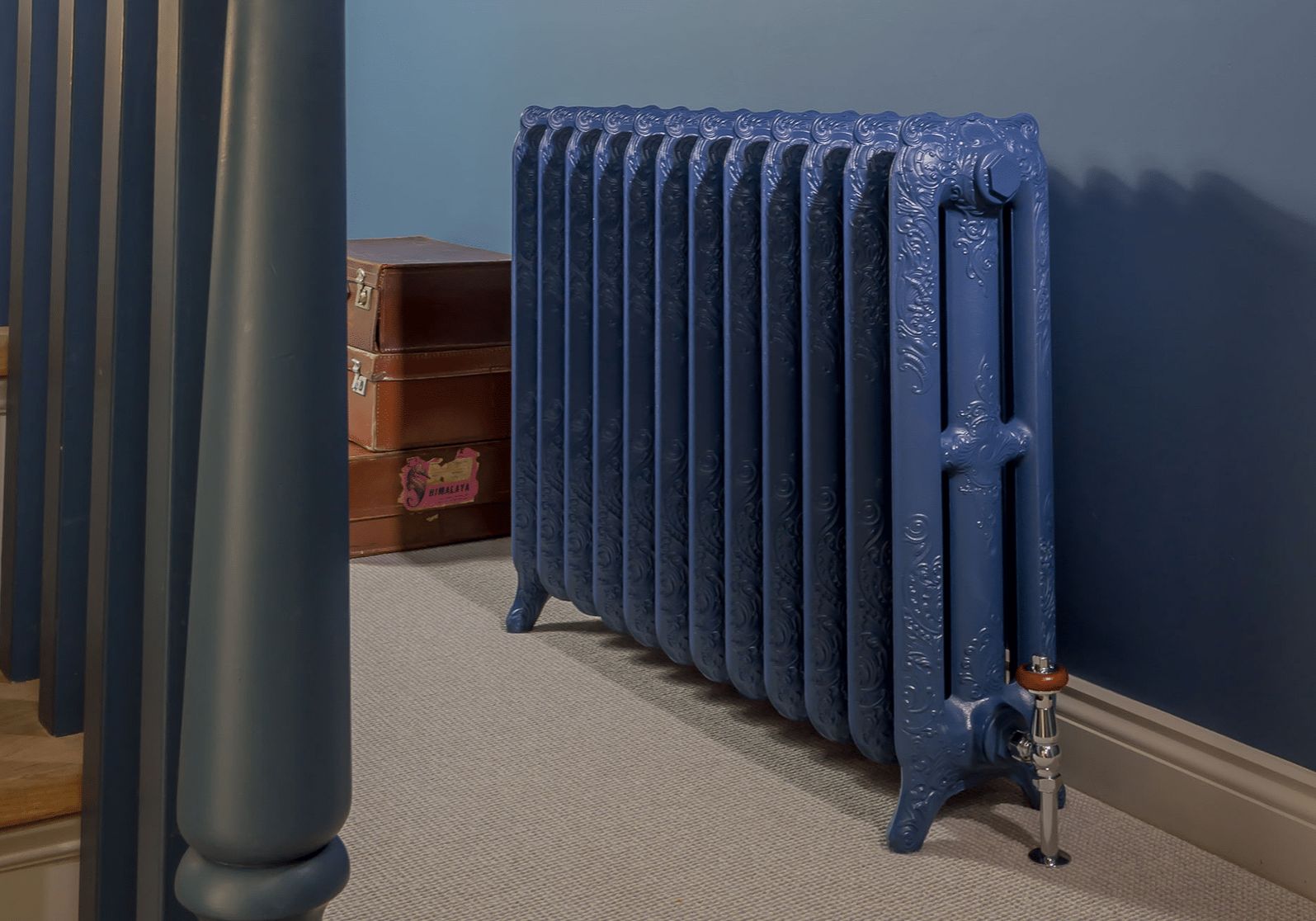
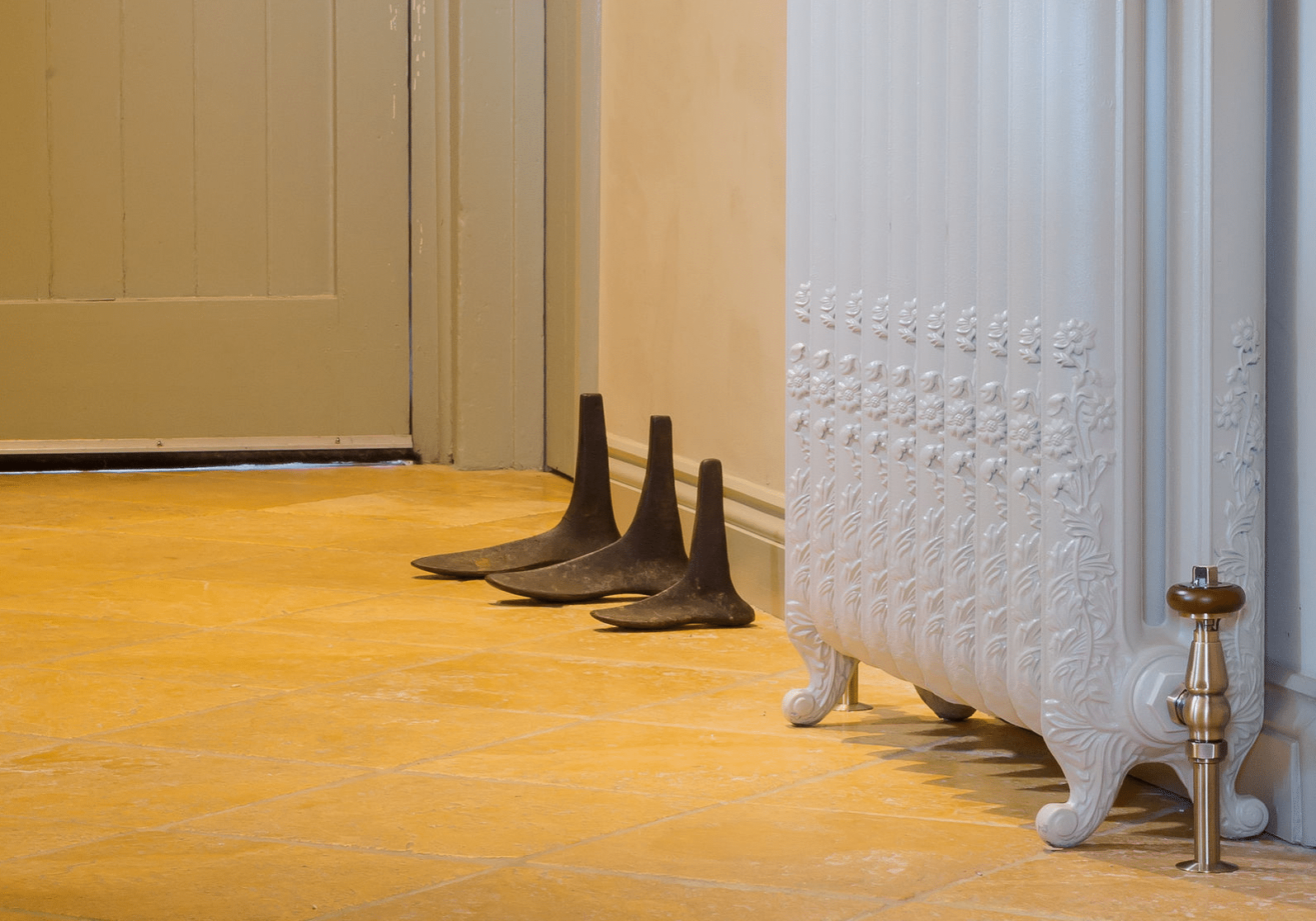
“I want to say thanks and how fantastic the radiators look along with the cast quality and the excellent painting and polishing finish. I now can’t wait to get them installed! Many thanks again for all your help and assistance.”
“Thank you for all your help, we will definitely recommend Paladin to anyone we know who is looking for cast iron radiators and will get in touch when we’re needing radiators for our ground floor.”