
What Are The Pros And Cons Of Cast Iron Radiators?
Cast iron radiators are durable heating solutions offering heat retention characteristics and aesthetic appeal, though they require careful installation due to their weight and typically cost more than modern alternatives. These traditional radiators retain heat after your heating system switches off, providing continued warmth. Understanding both the advantages and limitations of cast iron radiators helps you make an informed decision for your home.
Estimated reading time: 7 minutes
What Are The Main Advantages Of Cast Iron Radiators?
Cast iron radiators offer several distinct benefits that have kept them relevant for over a century. Their durability means they can last for generations when you maintain them properly. The material’s resistance to corrosion and physical damage contributes to this longevity.
The material properties of cast iron create heat retention characteristics. Once heated, the metal holds that warmth and continues radiating heat into your room after the boiler switches off. This extended heat release can contribute to more consistent room temperatures compared to lighter alternatives that cool more quickly.
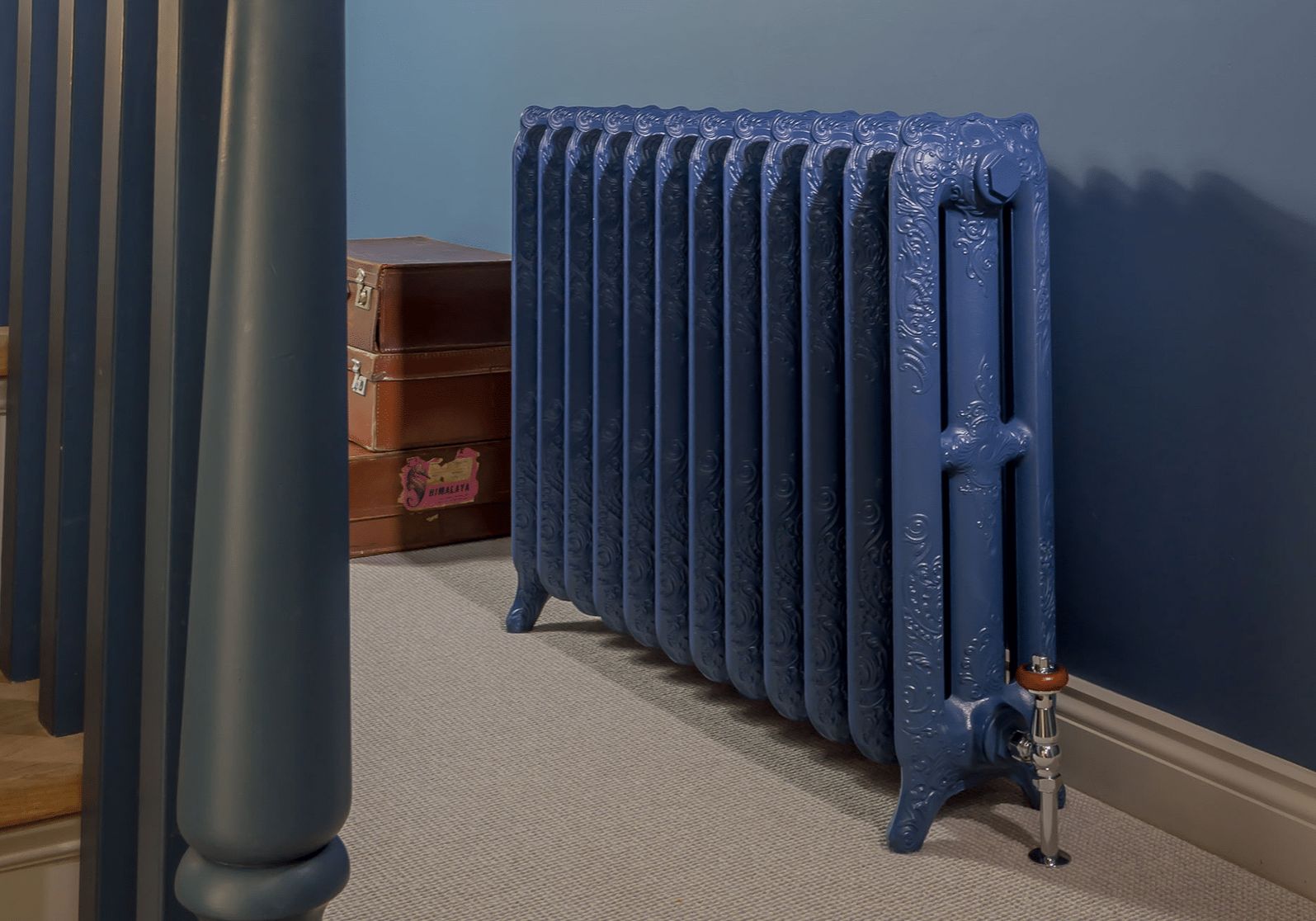
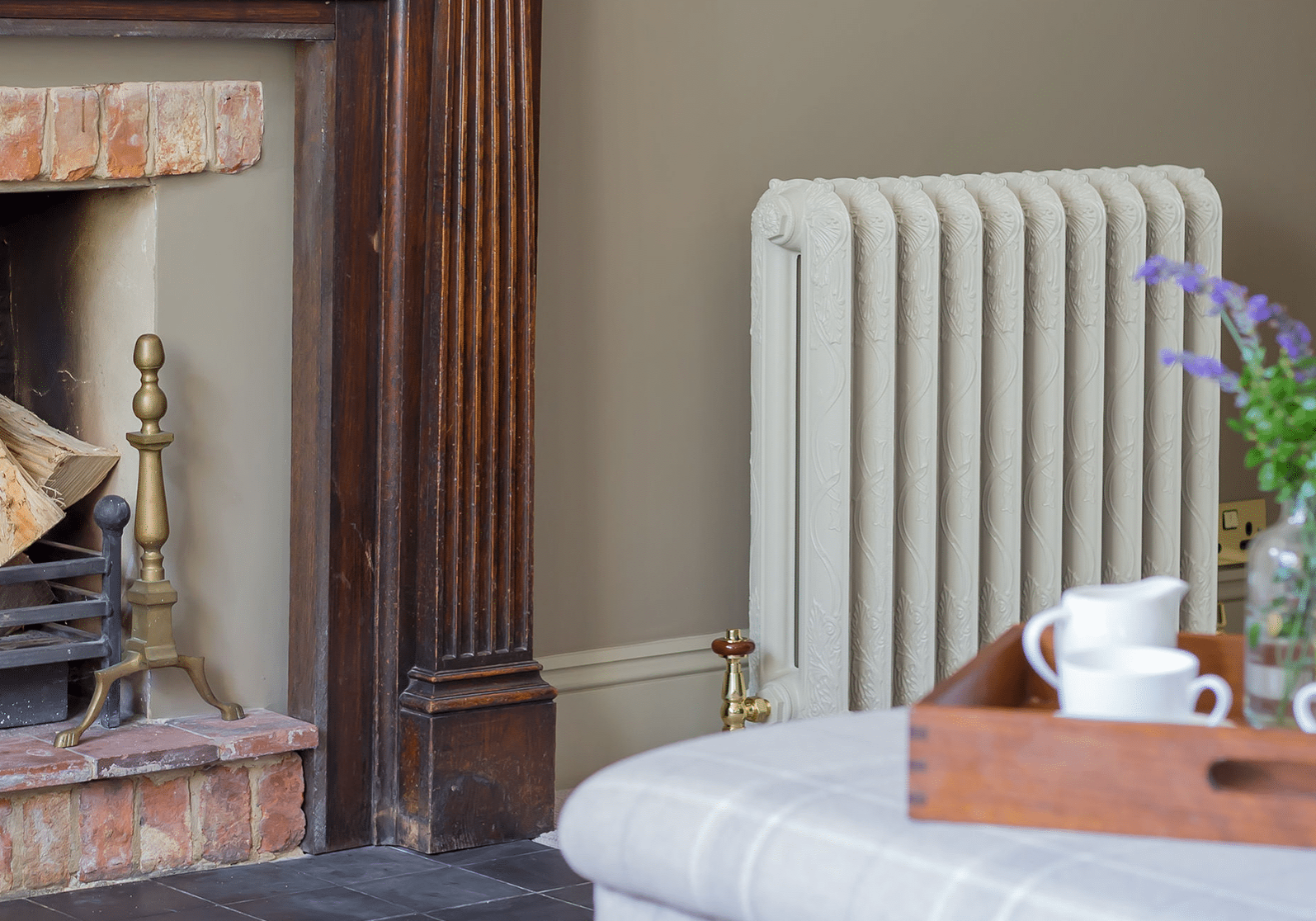
You’ll also find considerable design flexibility. They work seamlessly in both period properties and contemporary homes, providing authentic character in heritage restorations and adding visual interest to modern interiors. The ornate details and presence of traditional column radiators create focal points that lighter modern alternatives simply can’t match.
How Do Cast Iron Radiators Retain Heat?
Cast iron radiators retain heat through the thermal mass properties of the material itself. The dense metal absorbs thermal energy during the heating cycle, then releases that stored heat gradually over time.
This happens because cast iron has high thermal mass. It requires considerable energy to change its temperature, whether heating up or cooling down. When hot water flows through the radiator, the thick metal sections absorb heat energy. Once your boiler stops firing, the radiator continues releasing that stored warmth into your room.
The practical benefit? Continued heat output after your heating system cycles off. A modern panel radiator cools more quickly due to thinner metal construction. A cast iron radiator remains warm for a longer period, depending on the radiator’s size and your room’s ambient temperature.
Are Cast Iron Radiators Energy Efficient?
Cast iron radiators can be efficient heating solutions when you use them correctly, though efficiency depends on proper system design and installation. The heat retention characteristics mean the radiators continue providing warmth after the boiler cycles off.
However, energy efficiency in heating systems involves multiple factors beyond the radiator material itself. Proper insulation, heating controls, balanced systems and correctly sized radiators all contribute significantly. A cast iron radiator in a well-insulated room with thermostatic controls can perform efficiently. The same radiator in a poorly insulated space without proper controls won’t achieve optimal performance regardless of its heat retention properties.
The thermal mass that provides heat retention also means cast iron radiators take longer to reach operating temperature initially. This suits homes where heating runs for extended periods rather than short bursts throughout the day.


What Are The Aesthetic Benefits Of Cast Iron Radiators?
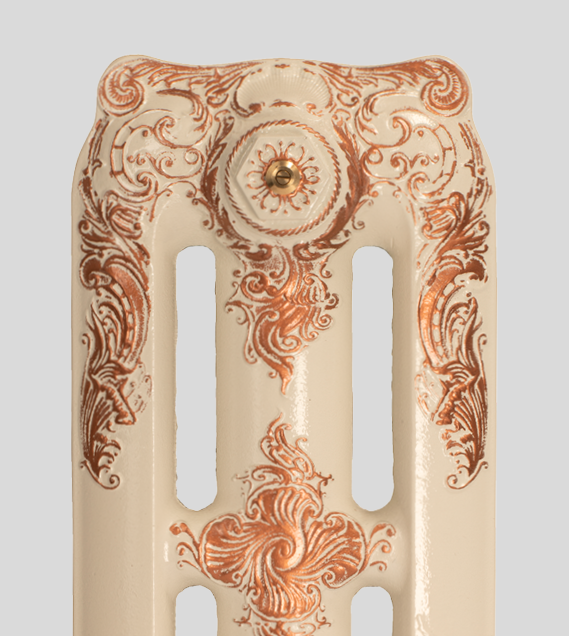
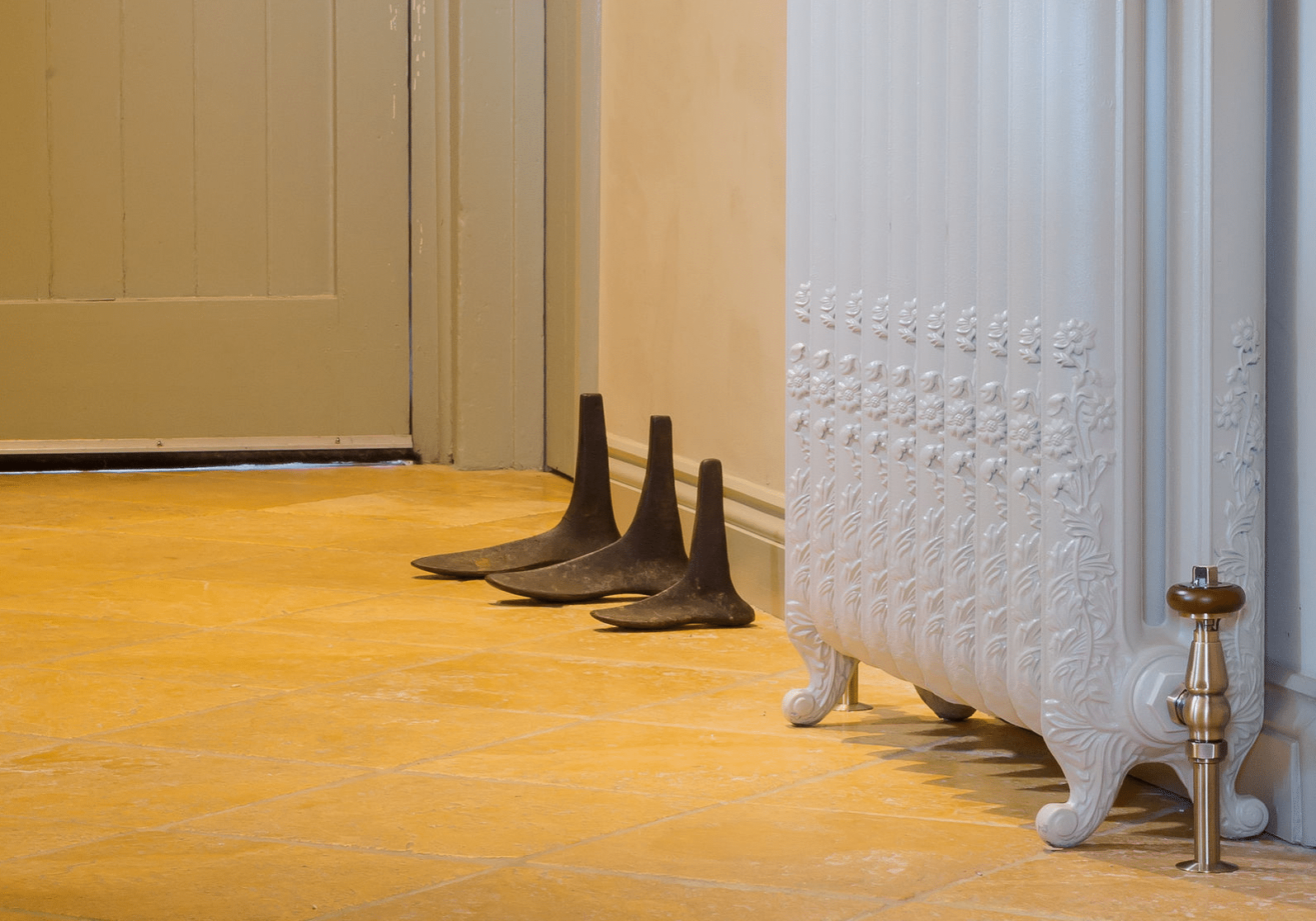
Cast iron radiators offer authentic period character and visual presence. Their ornate detailing, available in various column configurations and styles, creates architectural interest that complements both traditional and contemporary interiors.
You can customise these radiators extensively through paint finishes. Choose from subtle heritage colours to bold contemporary shades. We offer specialist finishes including polished metal effects, antiquing and custom colour matching, so you can create exactly the aesthetic you’re after. This customisation potential means cast iron radiators can work with virtually any interior design scheme.
The physical presence of a traditional column radiator also contributes positively to room design. Rather than attempting to hide heating elements, cast iron radiators become intentional design features. Their construction and careful detailing demonstrate quality craftsmanship that’s increasingly valued in interior design.
What Are The Disadvantages Of Cast Iron Radiators?
Cast iron radiators are considerably heavier than modern alternatives, creating specific installation challenges. A cast iron radiator weighs significantly more than an equivalent steel panel radiator, requiring robust wall fixings and potentially two people for safe handling and installation.
The initial cost typically runs higher than modern radiator alternatives. Quality cast iron radiators represent a significant investment, though this reflects the materials, craftsmanship and expected longevity. You’re paying for radiators designed for long-term use rather than shorter replacement cycles.
Installation complexity increases with cast iron radiators. The weight requires proper wall mounting systems, and the connection points need careful sealing. If you’re replacing modern radiators with cast iron alternatives, pipework modifications may be necessary to accommodate different valve positions.
Are Cast Iron Radiators Expensive?
Cast iron radiators carry premium prices reflecting their manufacturing complexity, material costs and hand-assembled construction. Prices vary considerably based on radiator size, design complexity, finish options and manufacturing quality.
The cost comparison with modern radiators shows cast iron options typically costing substantially more upfront. However, this comparison should factor in longevity and potential property value enhancement. Cast iron radiators can function effectively for decades when properly maintained. Modern panel radiators have shorter expected lifespans due to material corrosion.
Additional costs include:
- Installation labour due to weight and complexity
- Potentially upgraded wall fixings
- Specialist finishes if you want antiquing, polishing or custom paint matching
These factors make accurate budgeting important when you’re planning a cast iron radiator installation project.

Do Cast Iron Radiators Require Special Installation?
Cast iron radiators require careful installation procedures due to their weight and construction. Wall fixings must anchor into solid masonry or structural elements capable of supporting considerable weight. Plasterboard fixings won’t suffice. You’ll need proper wall stays secured to brickwork or blockwork.
We strongly recommend professional installation unless you have specific experience with cast iron radiator fitting. The weight creates genuine safety concerns during handling, and proper system pressure testing after installation ensures all joints seal correctly.
System considerations include ensuring your boiler and pump can adequately circulate water through cast iron radiators. The larger water volume compared to modern panel radiators means system pressure and flow rates need checking. Radiator balancing becomes particularly important to ensure even heat distribution across multiple cast iron radiators in your property.
How Do Cast Iron Radiators Compare To Modern Alternatives?
Cast iron radiators differ fundamentally from modern panel radiators in construction, performance and aesthetic impact. Modern steel panel radiators heat up quickly and cool down quickly. Cast iron radiators respond more slowly but provide extended heat output.
The weight difference? Substantial. Cast iron radiators are significantly heavier than modern alternatives. This affects installation, property suitability and renovation planning. Period properties with solid walls generally accommodate cast iron radiators without structural concerns. Modern homes with stud walls may need additional support considerations.
Aesthetically, the comparison depends entirely on your design preferences. Modern radiators offer slim profiles and minimal visual impact, ideal if you want heating elements to disappear. Cast iron radiators create architectural features and period character. Neither approach works better universally. They serve different design intentions.
Maintenance requirements differ as well. Modern radiators have shorter lifespans as the steel corrodes over time. Cast iron radiators can last for decades when you maintain them properly, though they may require occasional repainting and system cleaning to prevent internal sludge buildup.
Ready To Explore Cast Iron Radiator Options?
If you’re considering cast iron radiators for your home, our team can help you navigate the selection process and find radiators suited to your requirements. We’ll discuss your space, heating needs and design preferences to recommend appropriate solutions. Visit our radiator configurator to explore the possibilities, or contact us directly to discuss your project in detail.
“I want to say thanks and how fantastic the radiators look along with the cast quality and the excellent painting and polishing finish. I now can’t wait to get them installed! Many thanks again for all your help and assistance.”
“Thank you for all your help, we will definitely recommend Paladin to anyone we know who is looking for cast iron radiators and will get in touch when we’re needing radiators for our ground floor.”