
How to Clean a Cast Iron Radiator: The Ultimate Guide
Dust and grime build up on radiators. It happens. But it’s not just unsightly: dirty radiators work harder to heat your home, cost more to run and circulate dust around your rooms. Learning how to clean a cast iron radiator properly keeps your heating efficient and your radiators looking good.
This guide covers surface cleaning, deep internal flushing, stain removal and restoration. Whether you’re maintaining a newer radiator or bringing an antique back to life, you’ll find steps you can follow at home.
Before You Start
Turn off your heating and let radiators cool completely. If you’re unsure about any aspect of your system, consult a qualified heating engineer or plumber.


Tools You’ll Need
Gather these before you begin:
- Vacuum cleaner with crevice attachment
- Radiator brush (long and narrow)
- Soft cloths or microfibre towels
- Bucket of warm water
- Washing-up liquid
- Old towels or dust sheets
- Wire brush or fine sandpaper (for rust)
- Protective gloves
For internal cleaning, you may also need a hosepipe and flushing solution.
Step-by-Step Guide to Cleaning a Cast Iron Radiator
Step 1: Turn off your heating and let the radiator cool
Never clean a hot radiator. Switch off your boiler and wait a couple of hours.
Step 2: Protect your flooring
Lay old towels or dust sheets beneath the radiator. Cleaning dislodges dust and debris. You don’t want that on your carpet.
Step 3: Vacuum loose dust
Use your vacuum’s crevice attachment to remove dust from the top, front and between the columns. Work from top to bottom.
Step 4: Use a radiator brush for tight spaces
Slide a radiator brush down between the columns. These brushes are long, thin and flexible: perfect for cast iron’s narrow gaps.
Step 5: Wipe external surfaces
Dampen a soft cloth with warm water and a drop of washing-up liquid. Wipe down all surfaces. Don’t soak the radiator: damp is enough.
Step 6: Tackle stubborn marks
Make a paste from bicarbonate of soda and water. Apply gently, let it sit for a few minutes, then wipe clean. Works well on grease and discolouration.
Step 7: Dry thoroughly
Use a clean cloth to remove moisture. Pay attention to crevices where water pools.
Step 8: Check valves and fittings
Inspect valves and connections for leaks or corrosion. Catching problems early saves headaches later.

How to Clean a Cast Iron Radiator?
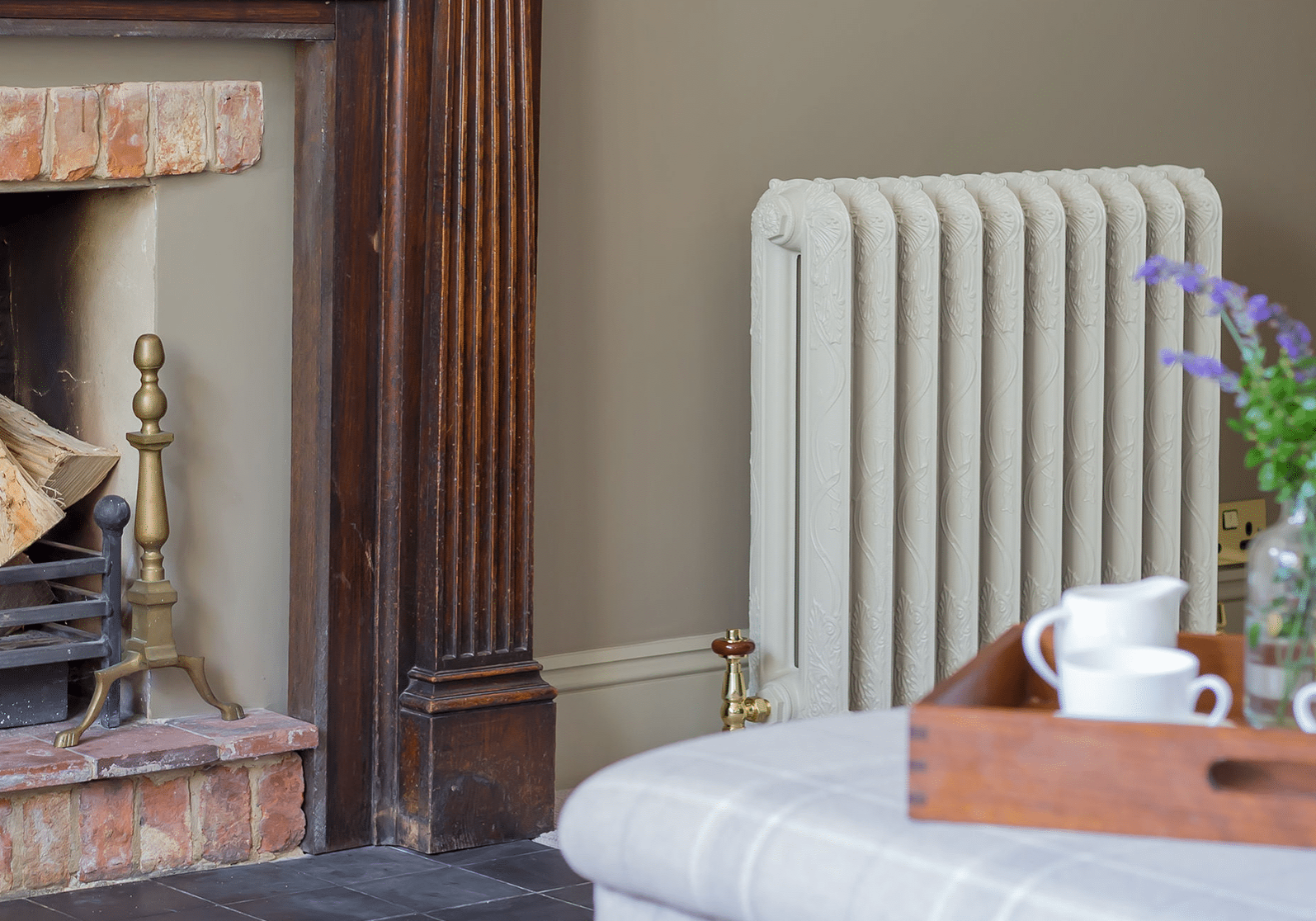
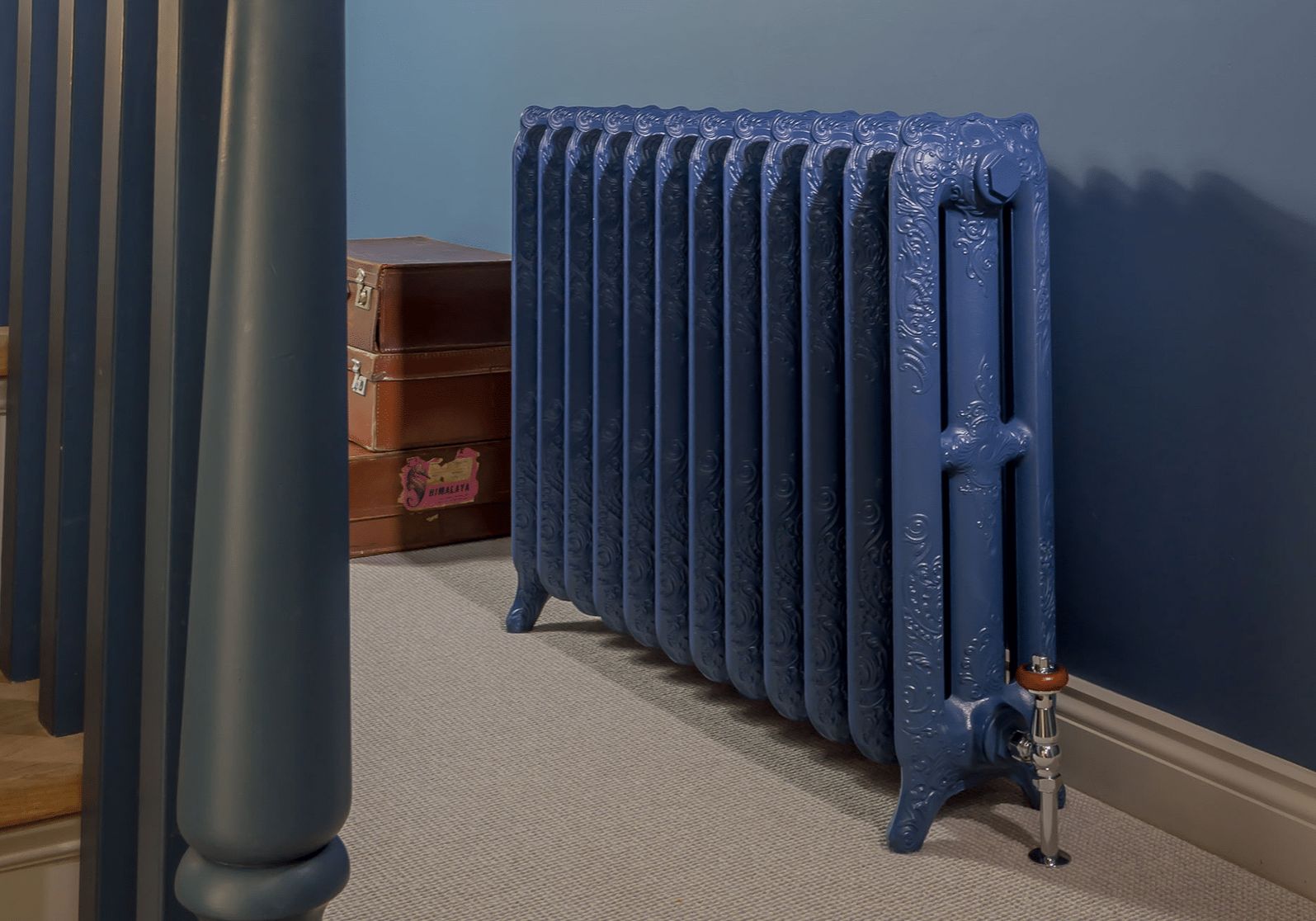
Got an ornate design? A soft toothbrush helps clean intricate details without causing damage.
How to Clean Cast Iron Radiator Stains?
For bare metal or polished finishes, be cautious. Test any solution on a hidden area first. Some products discolour uncoated cast iron.
How to Clean Old Radiators Inside?
Flushing involves isolating the radiator, removing it and running water through until it flows clear. Messy job. You’ll need to turn off the water supply and have buckets ready. If your radiator is old or fragile, consider hiring a professional.
For whole-system sludge, a powerflush by a heating engineer clears all your radiators and pipework in one go.
How to Clean Between Radiator Fins?
Compressed air canisters work well for stubborn areas. A hairdryer on a cool setting can blow dust out from behind the radiator too.
How to Clean the Inside of a Cast Iron Radiator?
You can add a cleaning solution to your system water. This circulates through your radiators and breaks down sludge over several days. Then drain the system and refill with fresh water and inhibitor.
For individual radiators, remove them and flush with a garden hose until water runs clear. Do this outside if you can. The water coming out will be filthy.
How to Clean Old Cast Iron Radiators?
Start with the gentlest methods: vacuum, soft brush, damp cloth. If the radiator needs more serious attention, test products on an inconspicuous area first.
For radiators with historical value, consult a specialist before attempting restoration.
How to Restore a Cast Iron Radiator?
Professional restoration typically includes chemical stripping, shot blasting, pressure testing and repainting. We offer restoration services for customers who want expert results.
Doing it yourself? Careful sanding with fine-grit paper removes loose paint and surface rust. Apply a rust-inhibiting primer before your topcoat. Use paint formulated for radiators: it needs to withstand repeated heating and cooling.
How to Clean Rust Off Cast Iron Radiators?
For deeper rust, you may need professional help. Severe corrosion weakens the casting and can cause leaks.
A mixture of white vinegar and salt creates a mild rust remover for small areas. Apply, leave for 30 minutes, then scrub gently.
How to Clean a Radiator Outside?
Wipe down your radiators monthly during heating season. A quick once-over with a damp cloth takes minutes. Pay attention to the top where warm air deposits the most dust.
How to Clean a Cast Iron Radiator at Home?
Set a reminder to dust your radiators when you change your clocks. Twice a year keeps them clean without becoming a chore.
How to Remove a Cast Iron Radiator?
Close both valves. Place containers beneath each connection to catch water. Use an adjustable spanner to loosen the nuts connecting the radiator to the valves. Tilt slightly to drain remaining water. Have someone help you lift.
Not confident? Hire a plumber. Damaging valves or pipework creates bigger problems than a dusty radiator.
Cast Iron Radiators: Should You Hire a Cleaning Service?
A heating engineer can powerflush your system. Specialist restorers handle delicate finishes and period details. Weigh the cost against your confidence and the radiator’s value.
For routine maintenance, DIY works fine.
How to Use a Radiator Brush Effectively?
Work gently to avoid scratching painted surfaces. Twist slightly as you push down to sweep dust from all sides. Clean the brush regularly so you’re not just redistributing dirt.
For ornate radiators, use the brush alongside a soft cloth to reach intricate areas.
Keeping Your Cast Iron Radiators Clean
Regular cleaning improves efficiency, extends radiator life and keeps your home healthier. A few minutes each month prevents major jobs later.
Dealing with stubborn problems like internal sludge, severe rust or radiators needing restoration? Professional help saves time and protects your investment. Our buying guide covers maintenance alongside choosing new radiators.

Questions about cleaning or restoring cast iron radiators?
Get in touch. We’re happy to help.
“I want to say thanks and how fantastic the radiators look along with the cast quality and the excellent painting and polishing finish. I now can’t wait to get them installed! Many thanks again for all your help and assistance.”
“Thank you for all your help, we will definitely recommend Paladin to anyone we know who is looking for cast iron radiators and will get in touch when we’re needing radiators for our ground floor.”