

How Bleeding Your Radiator?
If your radiators aren’t heating up properly, trapped air is probably the culprit. Bleeding releases this air and restores proper circulation. Your home stays warmer and your energy bills stay lower.
Whether you’ve just moved into your first home or you’ve been managing central heating for years, knowing how to bleed radiators is essential. It’s one of the simplest maintenance jobs you can do yourself. And it makes a real difference to comfort and efficiency.
How Do You Know if Your Radiator Needs Bleeding?
The clearest sign is a radiator that’s warm at the bottom but cold at the top. Run your hand along the surface. If there’s a noticeable temperature difference, trapped air is stopping hot water from reaching the upper sections.
Other signs to watch for:
- Gurgling or bubbling noises when your heating kicks in
- Radiators that take longer than usual to warm up
Rooms that never quite reach the temperature you’ve set
If your boiler seems to be working harder without delivering better results, bleeding your radiators should be your first step.
Why Bleed a Radiator?
Air builds up in central heating systems over time. Every time you top up the pressure or run the heating after summer, small amounts of air enter the pipework. This air rises and gets trapped at high points: usually the tops of your radiators.
Trapped air acts as a barrier. Hot water can’t circulate fully. Your boiler works harder to compensate, using more energy without delivering better heat. Regular bleeding keeps circulation efficient, distributes heat evenly and reduces unnecessary strain on your system.
The Energy Saving Trust advises bleeding your radiators when you notice cold spots caused by trapped air.
What Should Happen When You Bleed a Radiator?
When you open the bleed valve, you’ll hear a hissing sound. That’s trapped air escaping. The hissing continues until all the air has gone. Then water starts to dribble out, sometimes with a slight splutter as the last air pockets clear.
The moment you see a steady trickle of water, close the valve. Your radiator should now heat evenly from top to bottom. Give it a few minutes to warm up fully before checking again.
How to Bleed Your Radiators Properly: Step-by-Step Guide
Before you start, gather your tools and prepare your workspace.
What you’ll need:
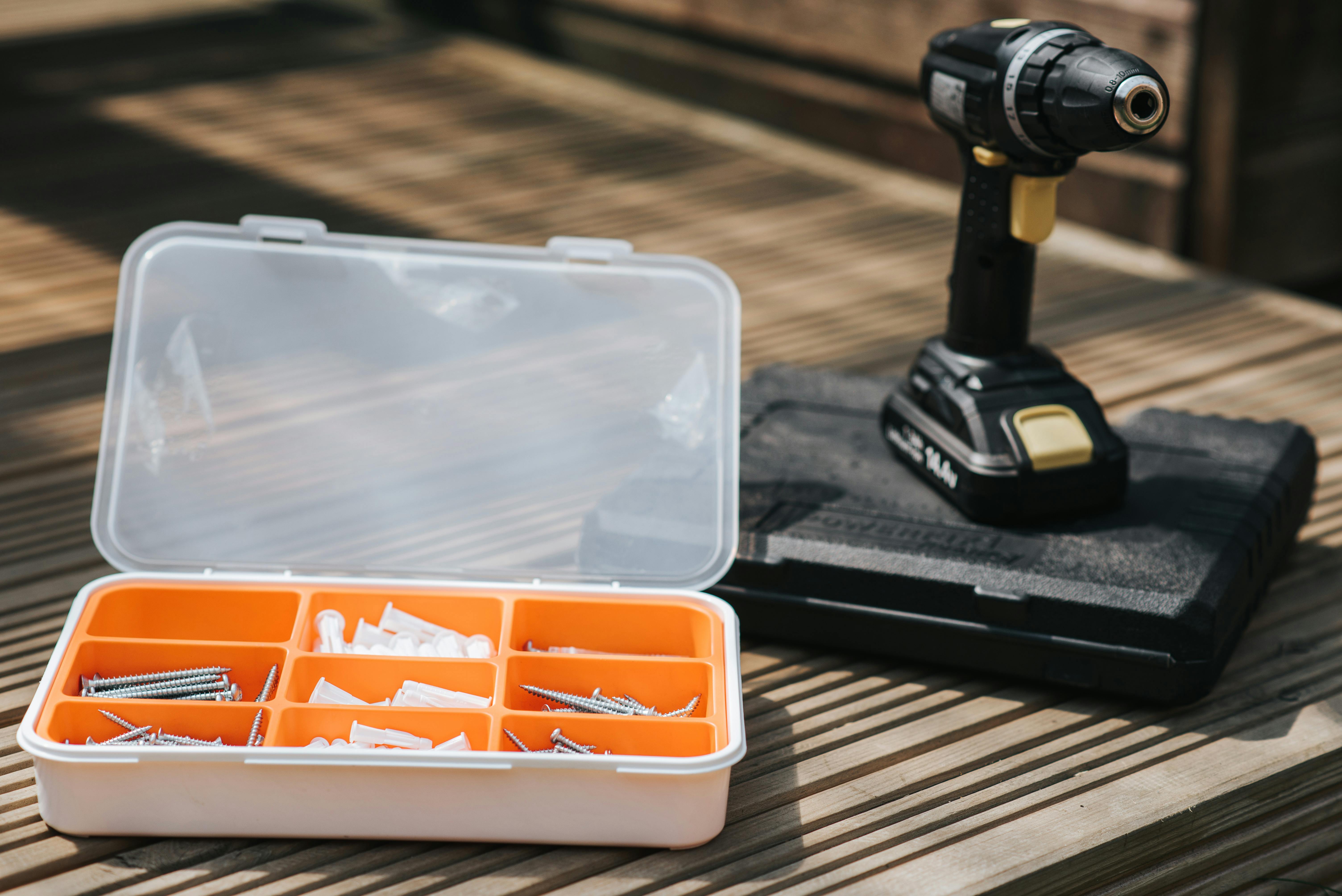
- Radiator key (or flat-head screwdriver for modern valves)
- Old cloth or towel
- Small container or bowl
- Gloves (optional but useful)
Step 1: Turn off your heating
Switch off your central heating and wait at least 15 to 30 minutes for the radiators to cool. This is essential for safety. As British Gas points out, the water and air inside a hot radiator can scald you when released.
Step 2: Identify which radiators need bleeding
Before the system cools completely, feel each radiator to find cold spots at the top. Make a note of which ones need attention.
Step 3: Find the bleed valve
Look at the top corner of your radiator. The bleed valve looks like a small square nut set into a round surround. On most radiators, it’s on the opposite side to the thermostatic valve.
Step 4: Prepare your workspace
Put your cloth on the floor beneath the valve. Position your container to catch any water. Keep the cloth pressed against the wall behind the valve if there’s a risk of spray.
Step 5: Open the bleed valve
Insert your radiator key into the square groove and turn anti-clockwise. Go slowly. A quarter turn is usually enough. You’ll hear hissing as air starts to escape.
Step 6: Wait for water
Keep the key in position and listen. When the hissing stops and water starts to dribble out steadily, close the valve by turning clockwise.
Step 7: Wipe and check
Wipe away any water with your cloth. The valve should be snug but not overtightened.
Step 8: Check your boiler pressure
Look at the pressure gauge on your boiler. If it’s dropped below 1 bar, top it up using the filling loop. Most systems should sit between 1 and 1.5 bar when cold.
Step 9: Turn your heating back on
Switch your heating on and let the system reach full temperature. Check each radiator you’ve bled to confirm it’s heating evenly.
How to Bleed Radiators Without a Key?
Check your toolkit for Allen keys too. Many contemporary radiators use hexagonal bleed points that fit standard sizes. Whatever tool you use, turn slowly and gently. You don’t want to strip the valve.
Can You Bleed a Radiator When It’s On?
Turn off your heating and let the system cool for at least fifteen minutes. This gives the water time to settle and the air time to rise to the bleed points. You’ll get a cleaner release and avoid nasty surprises.
How to Bleed an Old Radiator?
Use the correct size key or tool. Turning slowly helps avoid rounding off the valve. Expect discoloured water: that’s normal in older systems. If the valve is completely seized, call a heating engineer. Forcing it risks cracking the valve or damaging the radiator.
Where Do You Bleed a Radiator?
Position yourself so you can reach the valve comfortably. Have your cloth underneath and a container ready. The valve only needs to open a fraction, so you don’t need much room to work.
How Much Should You Bleed a Radiator?
If air keeps escaping for more than thirty seconds, your system may be drawing in air somewhere. Check your boiler pressure after bleeding and top up if it’s dropped below one bar.
How to Bleed All Radiators in a House?
Keep your cloth and container with you as you move from room to room. Check your boiler pressure after bleeding every three or four radiators. Top up as needed. Once you’ve done them all, run the heating and recheck each radiator for cold spots.
How to Bleed Radiators in a Two-Storey House
Begin with the ground floor radiator furthest from your boiler. Work through that level, then repeat upstairs. Pay attention to any radiators on upper floors that sit higher than your feed and expansion tank. These are most prone to air buildup.
How to Bleed Your Radiators in Your House (UK)
British radiators typically use standard square bleed valves. Universal radiator keys fit these and cost a couple of pounds from any hardware shop. Keep one near your boiler so it’s always to hand.
How Does Bleeding a Radiator Work?
Opening the bleed valve creates an escape route. The pressure in your system pushes the trapped air out. Once the air has gone, water follows. That tells you circulation can now flow through the full height of the radiator.
Do Radiators Need to Be On to Bleed Them?
After bleeding, run the heating to check your work. Wait until the system reaches full temperature before testing each radiator for cold spots.
How to Bleed a Radiator System
After completing all radiators, check the pressure gauge. If it’s dropped below one bar, use the filling loop to restore pressure. Run your heating for a full cycle, then recheck each radiator. Some may need a second bleed if air has moved through the system.
How to Use a Radiator Key
Never remove the valve completely. A quarter to half turn is plenty to release trapped air. Keep the key engaged and ready to close the valve quickly once water appears. Turn clockwise to close. Apply gentle pressure to create a watertight seal without overtightening.
How to Bleed Your Radiators: Video Guides
Keep Your Heating at Its Best
Regular bleeding is one of the simplest ways to maintain an efficient home. Check your radiators at the start of each heating season and whenever you notice cold spots or gurgling noises. A few minutes of maintenance saves energy, cuts costs and keeps every room warming properly.
If bleeding doesn’t solve persistent cold spots, or if you’re not comfortable working on your heating system, call a qualified heating engineer. Some issues, particularly with older systems, benefit from professional diagnosis.
Looking to upgrade your heating?
Explore our cast iron radiator buying guide or use our radiator configurator to design radiators that deliver lasting warmth. For installation advice, visit our installation guide or get in touch with our team.
“I want to say thanks and how fantastic the radiators look along with the cast quality and the excellent painting and polishing finish. I now can’t wait to get them installed! Many thanks again for all your help and assistance.”
“Thank you for all your help, we will definitely recommend Paladin to anyone we know who is looking for cast iron radiators and will get in touch when we’re needing radiators for our ground floor.”